23 min read
Does Supplement Support Help with GLP-1 Side Effects?

What is GLP-1?
Well, as the uproar of social media and diet culture was unraveling and flapping open its wings, forming our communal ideas of beauty, Kate Moss popularized the phrase “Nothing tastes as good as skinny feels”. GLP-1 is a logical pharmaceutical extension of this idea taking root in our modern psychological landscape and beauty standards, which will inevitably come to shape the physiological, aka bodies, en masse.
GLP-1 is an abbreviation for glucagon-like peptide-1. It is not just a synthetic concoction, but a natural hormone readily released by our gut after we eat. The body believes in Chekhov’s rules of writing - that if there is a gun on the wall in act one, it must be fired in act 2. Basically, every element in the story must be necessary, and so is GLP-1.
If you introduce a GLP-1 drug into the body to help enhance the effects, you will get weight loss, but you’ll also get some GLP-1 side effects, which can, to an extent, be managed by GLP-1 supporting supplements we’ll focus on today. But first, there are a few things you should know if you’re considering taking GLP-1s, or are already using them. We like our readers sassy, informed, and inquisitive, so they can make sound decisions and avoid being taken advantage of or falling for unsupported claims.
How does GLP-1 weight loss work?
GLP-1 drugs work by targeting a few key elements for natural weight loss, such as:
- Lowering blood sugar: By telling the pancreas to release more insulin, which will come in and mop up the extra blood sugar from carbohydrate consumption. Usually, the sugar that insulin mopped up would be turned into fat and stored in the body’s fat reserves. That’s how type 2 diabetics taking exogenous insulin gain more fat the more insulin they take, and constant snacking does something akin to always elevated insulin, sliding into metabolic syndrome.
- Reducing appetite: By curbing hunger and "food noise", you’ll just not have as much interest in all the scrumptious hyper-processed foods constantly on offer around us 24/7, and will be able to put your cravings under control. You’ll eat, but will not feel that insatiable appetite bordering on addiction that we’ve all experienced, leading to a food coma and brain fog lasting for days after a binge.
- Slowing gastric emptying: By slowing digestion and keeping food in the stomach longer, which prolongs the feeling of fullness. Since you’ll be eating less frequently and in smaller quantities, you’ll also not be stimulating insulin as often.
All of this will help signal the brain that you’ve had enough food and to stop eating, much earlier than usual.
GLP-1s we’ll be talking about today are a class of synthetic medications, initially developed for type 2 diabetes, that mimic the natural hormone and are now widely used as a tool for weight loss. The synthetic GLP-1 receptor agonists (or just GLP-1 in the mainstream) work by binding to the same receptor sites that the natural GLP-1 would, just in larger quantities, which means you’ll feel fuller for longer, eating less and effectively controlling weight. To understand the full name better:
- Think of the receptor as a specialized protein on the surface of a cell that acts as a lock, and the medication sits in the lock like a key
- An “agonist” is the biochemical name for a substance that sits in the lock for a natural chemical to trigger a biological response. Basically, it imitates, activates, or turns on the receptor.
- Glucagon-like means it functions similarly to glucagon (a hormone that raises blood sugar), but instead it prevents large spikes in blood sugar.
- Peptide is a chain of amino acids (a small protein), and the “-1” just means that it was the first peptide of this type we found.

Why are GLP-1 drugs everywhere?
Why are millions taking them? Are the side effects just too much, or does, let’s paraphrase - nothing hurt as much as not being skinny - so we just tolerate the very uncomfortable digestive distress if it means we can be skinny with low to no effort?
GLP-1 agonists are everywhere because real change is hard and we’re hardwired against it. The brain evolved over eons to install habits to conserve energy wherever possible. Food was scarce, and every extra calorie increased survival chances. If you had to run away from a predator with glistening fangs, you were following and preying on something else in your environment, or set on surviving a harsh winter in a cave. This is why you’re having trouble making huge lifestyle changes, or even little ones. This is why you love high-calorie food. You’re not weak-willed or hopeless. You were engineered not to change much as a grown individual, to be a creature of habit.
This does not mean you cannot adapt if the environment demands it, but rather that forcing a change in a set stream of life is very difficult, and it may take a few failures before it takes hold. Trust me, as a plump, pre-middle-aged lady, I’ve tried it all and am not judging anyone who believes they need a chemical push, provided they do it informed and responsibly, with a clear goal and some solid support.
GLP-1 drug types
What are the most famous GLP-1 weight loss drugs on the market today? You may have heard, considered, and/or used some of these:
Single GLP-1 Receptor Agonists
Semaglutide: Once-weekly injection (or daily oral pill), great for blood sugar control and weight loss.
- Ozempic (Type 2 diabetes), Wegovy (Weight management), Rybelsus (Daily oral tablet for Type 2 diabetes).
Liraglutide: A daily injectable, very safe with proven benefits for cardiovascular health.
- Victoza (Type 2 diabetes), Saxenda (Weight management).
Dulaglutide: A once-weekly, ready-to-use injectable pen mostly used for blood sugar control and reduction of heart disease risk.
- Trulicity.
Exenatide: One of the earliest GLP-1 drugs developed. It comes in twice-daily immediate-release versions or once-weekly extended-release versions.
- Byetta (twice-daily), Bydureon (once-weekly).
Dual GIP & GLP-1 Receptor Agonists
These drugs mimic both the GLP-1 hormone and the similar and complementary GIP (glucose-dependent insulinotropic polypeptide). Combined, these provide greater weight loss and glycemic control than either alone.
Tirzepatide: A once-weekly injectable medication.
- Mounjaro (Type 2 diabetes), Zepbound (Weight management).
Why do we feel GLP-1 side effects?
Things are not inherently good or bad. They’re mostly neutral, live in the gray zone, and depend entirely on how we use them. You can overdose on any good thing out there and have side effects, including oxygen and water that keep us alive. You can even get an overdose of vitamins or minerals from foods in nature’s kitchen, like selenosis if you binge on Brazil nuts, Iodine with seaweed, or get hyperkalemia if you hog down an ungodly amount of bananas and get extreme doses of potassium.
The nature we see, and functional organisms in nature, are the result of a single principle of balance operating in a narrow band of what works. In the case of type 2 diabetes or stubborn weight, the balance is already off, and an introduction of a synthetic drug like GLP-1s can be exactly the medical intervention that restores balance. Yet, no matter how benevolent the compound, synthetic or natural, there can be side effects, and there are not really drugs out there that don’t have a potential for side effects.
Any active pharmaceutical compound can cause unintended reactions because if it is potent enough to produce a beneficial effect in one respect, it is potent enough to cause systemic reactions. How bad your GLP-1 side effects are gonna be depends on factors like your personal biology and individual biochemical imprint, the dose and medication you use and over what period, and the use of agents that can ease discomfort, like GLP-1-supporting supplements.
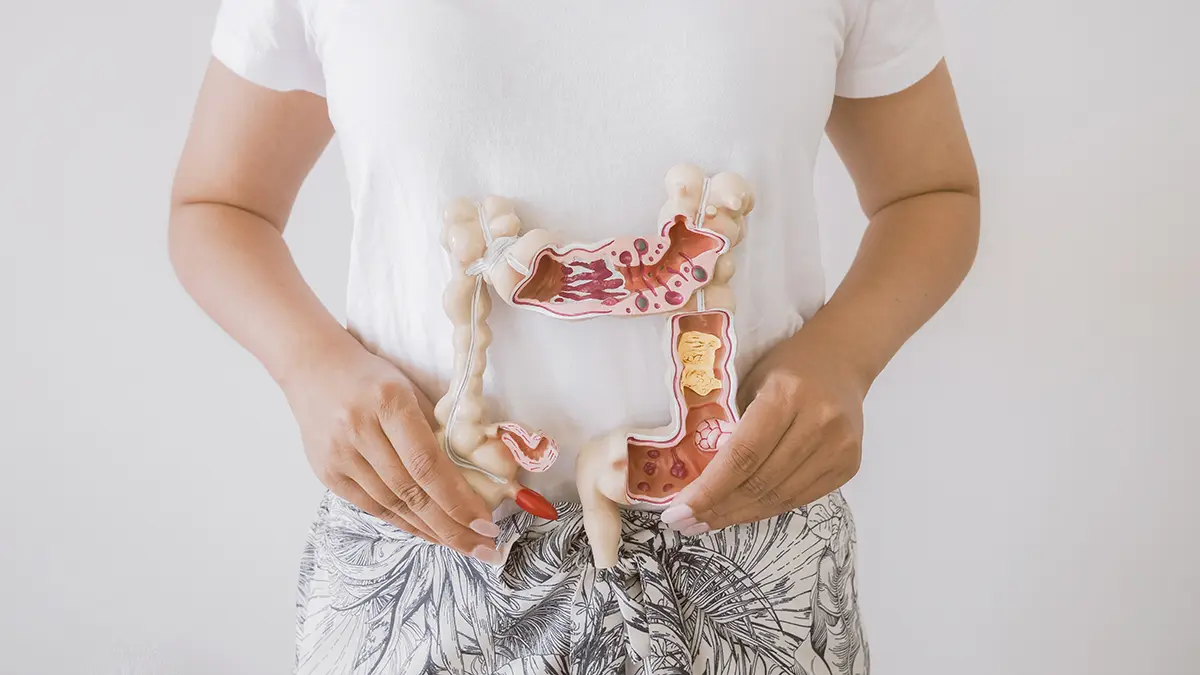
The most common GLP-1 side effects, besides the widely talked about "Ozempic face," relate to persistent gastrointestinal issues, including nausea, vomiting, diarrhea, and constipation, in various combos. This does not sound like a pleasant day or a pleasant life. There are situations when intervention with GLP-1 agonists is a medical strategy to lower dangerous morbid obesity or helps quickly lower the risk of cardiovascular incidents. But sometimes we’re just vain. Not that there is anything wrong with this. I’ve always viewed a bit of vanity as a sign of healthy self-worth. If we’re using GLP-1 drugs only to win an aesthetic war you’ve been losing, you view these GLP-1 side effects as a willing sacrifice. We’ve already internalized the mantra that beauty hurts, and nowadays beauty comes with a juicy stamp of being skinny, and we’re willing to suffer to fit the standard.
But the big question: Why do we feel these side effects of GLP-1 drugs? Well, the short version is that they change how your body processes food and satiety signals, because you’re suddenly eating less and food sits in you for longer.
Basically, all GLP-1 side effects are, in some way, a result of changes in eating habits, calorie intake, and the manipulation of food transit time, a sort of controlled starvation. So basically you’ll not feel your best due to:
- eating less
- slowed digestion
- fewer calories
- lower fiber
- less protein
- less micronutrients
Are there any GLP-1 long-term side effects?
Yes, some have been observed, especially with prolonged use at a really high dose. There have been instances of:
- Digestive distress not going away
- Gastroparesis (stomach paralysis)
- Eye and vision issues
- Gallbladder disease (usually linked to rapid weight loss)
- Pancreatitis or inflammation of the pancreas (every -itis is an inflammation)
- Kidney injury if you're continuously dehydrated due to digestive issues
- Thyroid dysfunction and thyroid cancers in animal models
The most common GLP-1 side effects & supplement support
This is why you came here for; this is the money shot. Here we’ll go through the most common GLP-1 side effects and their causes in more detail, and we’ll also break down how the FAQ ™ Pure GLP-1 support supplement can mitigate these side effects and reduce their severity.
What is FAQ™ Pure?
It is the real-life fulfillment of the wish to have everything in one cup of supergreens juice a day so that self-care doesn’t have to feel like a full-time job. FAQ™ Pure is a Swiss-engineered "beauty-tech" supplement.
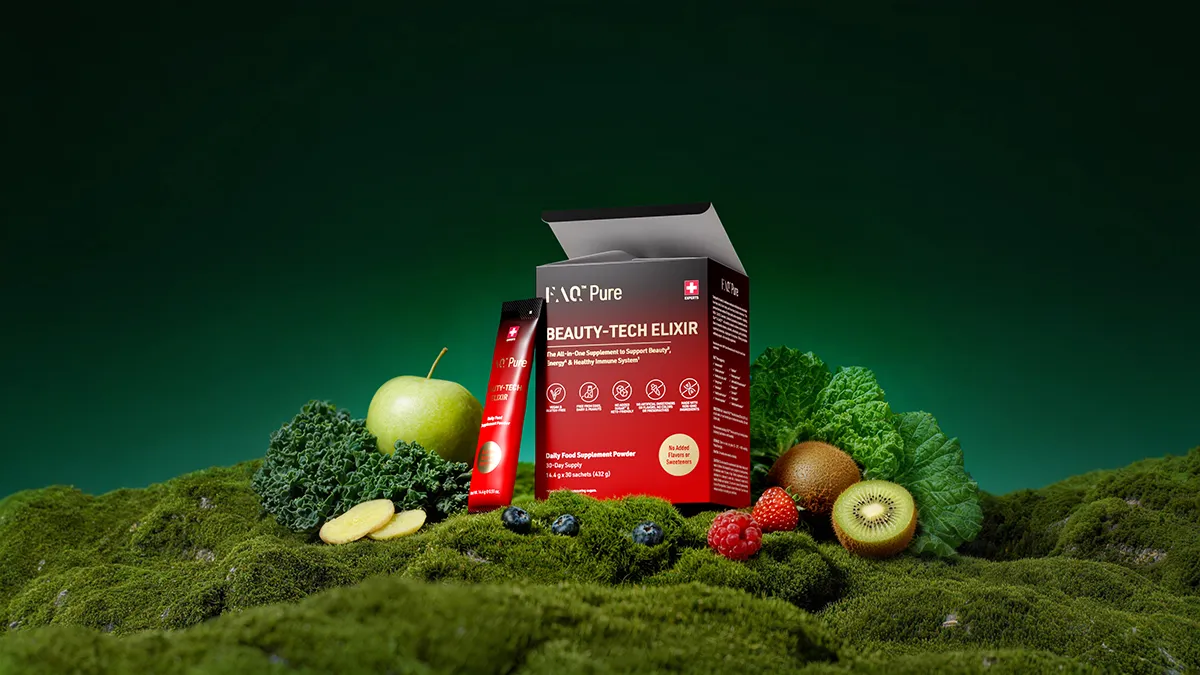
It's kind of weird calling it just a beauty supplement without the "tech" part as it was five years in the making and features 85 perfectly calibrated high-quality active ingredients, including clinically-proven NAD+, CoQ10, Quercetin, Creatine, Magnesium, Enzymes, and Super Mushrooms, and a whole lot of vitamins, minerals, antioxidants, probiotics, enzymes, botanicals, and adaptogens that will do wonders in helping with the most pronounced side effects of GLP-1. You can get expert opinion on some key ingredients here. FAQ™ Pure beauty-tech elixir was designed to support:
✔ Immune health
✔ Cellular protection
✔ Healthy skin, hair, nails
✔ Energy levels
✔ Metabolism
✔ Healthy brain function
✔ Joint health & Muscle function
✔ Hormonal regulation
✔ Digestion
✔ Blood sugar levels
✔ Bone health
✔ Eye health
✔ Heart health
✔ Healthy blood formation
Of course, we’re all different, and there is no guarantee that our bodies will respond the same. This is a natural occurrence. We’ve all met people who can eat an entire pizza alone and not skip a beat, with their insulin and blood glucose perfectly stable, and those who eat a slice and walk around brain-fogged, with buckets of insulin trying to clean up the blood sugar.

But getting a multi-vitamin and multimineral GLP-1 support supplement, like FAQ™ Pure, will greatly increase your chances of having a subjectively more pleasant experience as you’re losing weight or controlling blood sugar spikes on GLP-1s, and will also, objectively, provide many of the micronutrients and fiber you may be lacking in your new calorie deficit lifestyle.
Nausea
The GLP-1drug directly stimulates the brain's nausea and fullness centers, and you have the same food sitting in your stomach for longer. A killer combo. People have compared it to the feeling of pregnancy morning sickness, which is, ironically, unlike morning sickness, most intense in the morning.
You'll feel it mostly right after a dose or after you've increased the dosing. The nausea will peak in the 2-4th week after starting GLP-1 and will improve within 1-3 months as the body adjusts to the dose.

Star FAQ™ Pure ingredients: Vitamin B6 & electrolytes
Many ingredients are in the FAQ™ Pure mix to help metabolism and digestion function properly, but we’re more interested in vitamin B6 here.
- Vitamin B6 has long been used to support normal nervous system function and has also been studied for its role in reducing certain types of nausea, such as pregnancy and medication-related nausea. While it isn't a definitive treatment for GLP-1-related nausea (which you'll most likely just have to wait out), ensuring adequate vitamin B6 intake may support overall well-being during periods of reduced appetite and help calm your stomach.
- Electrolytes will be most helpful if your nausea is due to dehydration, low water or salt intake, or vomiting or diarrhea that deplete you.
Best supporting roles: Magnesium, prebiotic fiber, and probiotics
Constipation
You can get constipated because GLP-1 slows the regular muscle contractions of the gut (that's how you push the poop to its final destination), called peristalsis. Also, because your poop sits in the colon for much longer, water gets reabsorbed, dehydrating the waste and leaving you with hard, dry stools; you'll have to put in some effort to pass them.
There is also a good chance that by lowering your total calories you’ve actually lowered your fiber intake too, and we’re all already getting too little, so there is no bulk to your waste and not enough food for the gut microbiome (the fiber is not for you),
Star FAQ™ Pure ingredients: Prebiotic fiber, probiotics, digestive enzymes
FAQ ™ Pure helps bridge the nutritional gap of greatly reducing how many calories you’re ingesting with:
- Prebiotic and probiotic fiber, which increase stool bulk, feed the beneficial gut bacteria, improve stool consistency, and promote regular bowel movement.
- Digestive enzymes help your body adapt to slower digestion without attempting to override the way GLP-1 medications work. There would be no point in taking two things that annul each other. You’d just have a very expensive pat position

Best supporting roles: Magnesium, Kiwi, Spirulina, Chlorella, Greens
Diarrhea
Diarrhea seems strange as the body slows down, but sometimes the altered movement may cause chaotic transit times, where the bowel sort of panics and flushes it all out. Just as you mostly have problems with water reabsorption, there may be problems with water absorption and excretion in some areas of the gut, resulting in watery waste.
Star FAQ™ Pure ingredients: Probiotics, prebiotic fiber, electrolytes
The best ingredients from the FAQ™ Pure formula that may best support GLP-1-related diarrhea are:
- Probiotics that help restore and maintain a healthy gut microbiome. For you, this means more regular no 2s and better stool consistency.
- Prebiotic fiber, on the other hand, can help absorb excess water and add bulk to stools, although if you’ve had a really fiber-poor diet, it should be introduced gradually to avoid bloating or worsening symptoms.
- Electrolytes help replace fluids and minerals lost during diarrhea and support hydration when you lose your appetite and reduce food intake.
Best supporting role: Digestive enzymes in the long-term

Fatigue
This is most likely due to delayed gastric emptying, meaning you have less need to eat because the food is still sitting in your stomach, so you suddenly develop a calorie deficit. Your body is also adapting to new blood sugar patterns, experiencing a "metabolic lag", and if you've been experiencing some digestive distress, you may be dehydrated, which will impact your energy and cognitive performance.
Star FAQ™ Pure ingredients: Electrolytes, vitamin B complex, creatine, CoQ10, and magnesium
- Electrolytes help restore hydration and mineral balance, which can improve fatigue caused by reduced food and fluid intake or due to the loss of fluids through either GI orifice.
- B vitamins support the body’s ability to convert nutrients into energy, and you really really need this whole family, especially if you’re eating far less.
- Creatine helps maintain muscle energy and strength during weight loss and can help you preserve muscle mass when combined with strength or resistance training.
- CoQ10 supports cellular energy production; it will make you look younger and feel better.
- Magnesium supports energy metabolism, muscle function, and sleep quality, but it may not be ideal if you’re experiencing frequent diarrhea.
Best supporting roles: Vitamin D3, Iron, NAD+, Quercetin

Loss of Muscle Mass
Fatigue can also come from losing lean muscle mass if you're dropping your calorie intake but ignoring the rule to increase protein. Please, please, please, don't skimp on protein. It is pretty much insulin-neutral, and eating enough will help keep most of your muscle mass intact. You may not think much about losing a few pounds of muscle now, but the older you get, the more you'll appreciate each percentage of muscle more. It will protect you from frailty.
Star FAQ™ Pure ingredient: Creatine
Helps maintain muscle energy and strength during weight loss and can help you preserve muscle mass when combined with some strength or resistance training. Do not sacrifice your muscle for anything. It is a metabolic organ just like fat tissue is.
Best supporting roles: Vitamin D3, magnesium, vitamin B complex
Acid Reflux & Heartburn
This is mostly due to slowed digestion, which increases stomach pressure and pushes acid upward into the esophagus. In addition to slow digestion, the mistake people often make with GLP-1 is eating as they used to, out of habit, and overfilling their stomachs.
If you're feeling nausea and are vomiting, you can allow the acid from the stomach to enter the esophagus and create trouble in the cells of your throat. It is so acidic that it was meant only to stay in the stomach, which is protected by a lining from its corrosive effects. So it's a good idea to eat smaller, frequent meals, ease up on the fat, alcohol, caffeine, and fizzy drinks. You can get antacids or PPIs over the counter, but these are not a good idea to use long-term.
Star FAQ™ Pure ingredients: Digestive enzymes, probiotics
- Digestive enzymes help break down fats, proteins, carbohydrates, fiber, and lactose and are best for reflux triggered by large or rich meals, bloating, and post-meal discomfort.
- Some probiotic strains may help with bloating and irregular digestion and are best for reflux accompanied by bloating, gas, or digestive irregularity.
Best supporting roles: Prebiotic fibers, electrolytes, magnesium
Hair thinning
Hair loss and hair thinning are not a direct consequence of GLP-1, but a temporary condition called telogen effluvium. This is caused by the body viewing rapid weight loss as a stressor and shifting the follicles from their growth phase (anagen) to the resting and shedding (telogen) phase sooner, typically 2 to 4 months after the trigger.

It can be worsened by changes in insulin, estrogen, or thyroid levels (which are common as your body composition changes).
Star FAQ™ Pure ingredients: Vitamin B complex, Zinc to copper ratio, vitamin D3, iron
- B vitamins support energy production in rapidly dividing cells, including hair follicles, normal protein metabolism, healthy red blood cell formation, and nutrient delivery. Vitamin B12 is especially important when food intake decreases, as low intake can contribute to fatigue and poor hair health.
- Zinc to copper ratio 10:1: Zinc supports normal hair follicle growth, protein synthesis, tissue repair, and scalp health, while copper helps maintain normal connective tissue formation and supports healthy pigmentation.
- Vitamin D receptors are found in hair follicles, and low levels have been associated with impaired follicle cycling; people eating less during weight loss may be more likely to fall short on vitamin D intake.
- Iron supports oxygen delivery to tissues, including hair follicles, and low iron stores (especially low ferritin) are commonly associated with increased shedding.
Best supporting roles: CoQ10, NAD+
Why GLP-1 support supplements matter?
So, why do supplements matter on GLP-1? Well, it is not like you can’t live without them, but you can have a better quality of life with them on your weight-loss or illness-management journeys. Don’t buy the stories around necessities and claims making you feel like you’re not taking care of yourself if you don’t take any GLP-1 support. Necessity is a very specific word that means you can’t live without something, and it pertains only to true life-supporting elements like food, water, and air.
So, no, supplements are not necessary, and neither are exogenous GLP-1s, but they can help you achieve your goals for a better, healthier life when used responsibly (we’re not talking about already lean individuals flirting with unhealthy undernourishment) and feel more comfortable while doing so. GLP 1 supporting supplements are here as gap fillers because when appetite shrinks due to GLP-1 drugs, nutrition quality often shrinks with it.
Supplements matter because life will already have enough suffering in store for all living creatures, and there is no need to add to that if it can be avoided. Days will be busy enough even without having zero energy to live them; navigating the current nutritional landscape filled with processed food is complicated enough even without feeling nauseated at the sight of food. Chores, meetings, and taking care of your family and self are hard enough without walking around dehydrated with an aching stomach and a long overdue bowel movement putting pressure on your innards. High-quality GLP-1 support supplements are here to make you as comfortable as possible as you’re changing your life.

Bonus chapter: Most effective natural GLP-1 boosters
For those of you who want a more natural, holistic approach and want to stay away from over-the-counter GLP-1s and supplements, there is great news. Since the GLP-1 compound is naturally produced by the body, especially once food reaches the lower intestines, there are also ways to increase its production naturally, be it through diet, movement, or lifestyle choices. So for the naturalists, who have an iron will and my utmost respect, here are some tips:
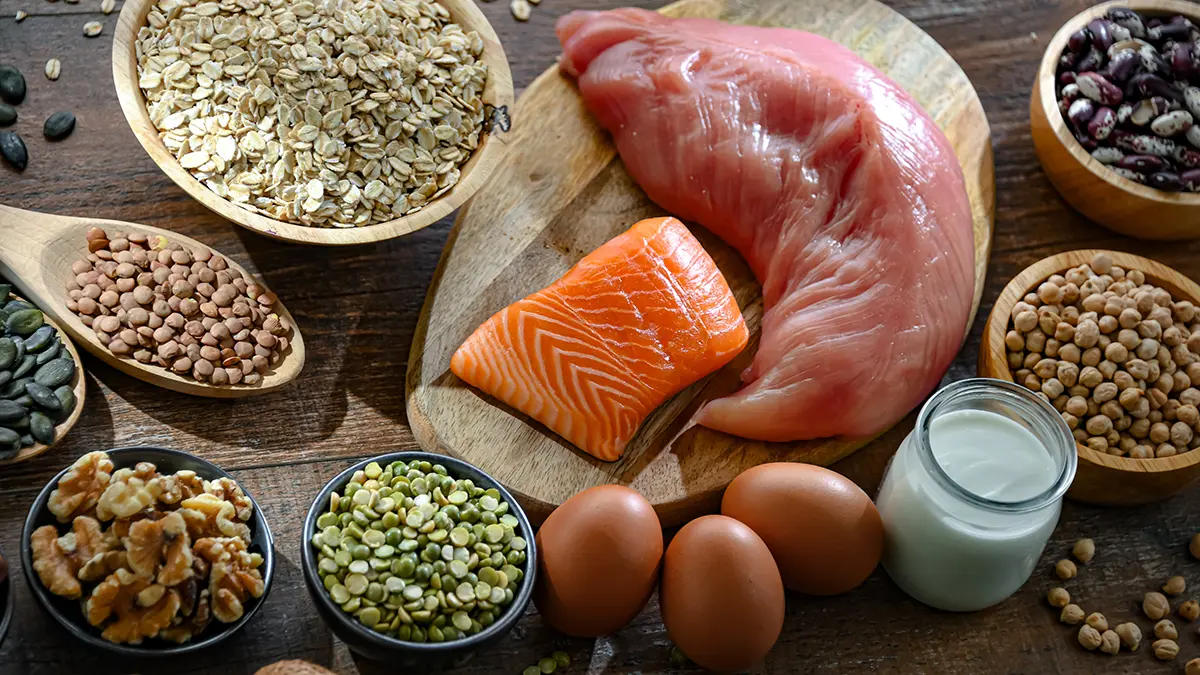
1. Choose protein-rich foods
Protein is one of the strongest natural triggers of GLP-1 release, because it stimulates the intestinal L-cells to release GLP-1 after meals and will also improve fullness, appetite control, blood sugar regulation, and muscle preservation. It’s basically widely used as an approach in low-carb diets, keto, and carnivore, even if not explicitly cited.
Good protein sources:
- eggs
- Greek yogurt
- fish
- lean meat
- tofu/tempeh
- legumes
- whey protein
Best strategy: Include 25- 40 g of protein at every meal.
2. Consume fiber & prebiotic fiber
Certain fibers are fermented by gut bacteria into short-chain fatty acids (SCFAs), which can stimulate GLP-1 release. As a bonus, they will also slow digestion and help stabilize blood sugar. All good things if you’re trying to shed some pounds or protect your body from a variety of chronic diseases by controlling blood sugar spikes.
Best sources:
- psyllium husk
- oats
- beans and lentils
- chia seeds
- good supergreens powder
- flaxseed
- vegetables
- resistant starch (cooled and reheated potatoes, rice, sweet potatoes)
Choose: fibers that support beneficial gut bacteria, such as inulin, resistant starch, and partially hydrolyzed guar gum (PHGG).
3. Healthy fats (especially omega-3 and monounsaturated fats)
Dietary fats stimulate GLP-1 secretion and will also keep you fuller for longer, prevent snacking and overeating in the current and subsequent meals, and will improve metabolic health. You can use some nice healthy fats to extend your fast a bit longer, as you’ll feel full and your insulin won’t budge.
Good sources:
- extra virgin olive oil
- avocado
- nuts
- seeds
- fatty fish
Note: Large high-fat meals may stop you from losing weight because the body is not burning its own fat stores since you’re supplying ample fat from external sources. So when taking a high-fat meal, mind the portion size if your goal is natural weight loss.
4. Fermented foods
The gut microbiome support from real fermented foods with live cultures facilitates a healthy gut environment, which can improve GLP-1 signaling through fermentation products like SCFAs.
Examples:
- yogurt with live cultures (avoid tons of added sugars if you’re going for the store brands)
- kefir
- sauerkraut
- kimchi
- fermented vegetables

Tip: Fermented is not the same as pickled food. Pickled has just been preserved with vinegar (sometimes sugar), and fermented has live cultures that, when ingested, repopulate your gut and help keep it healthy.
5. Exercise
A powerful non-food way to improve GLP-1 activity is to move. The body was designed to move most of the day to stay functional. It doesn’t need to be intense, feeling-like-you’re-going-to-die HIIT. Housework, gardening, or going up a few flights of stairs count too. Both aerobic exercise and resistance training are great. Basically, make sure you can still speak a sentence rather than gasping for breath.
Especially helpful:
- strength training (also protects muscle during weight loss)
- walking after meals
- interval training
6. Sleep quality and stress management
One night of bad sleep and what do you do? Look for hits of sweet, carby things throughout the day to get an instant shot of energy, just so you don't feel like an exhausted zombie for 10 minutes. Insulin rises, then crashes, and you’re looking for the next hit. Poor sleep can disrupt appetite hormones and reduce healthy hunger regulation, and chronic stress may negatively affect insulin sensitivity and appetite control.
Temporary stress is good for you; it’s a survival mechanism that makes you elevate insulin and run away from that predator faster. But now we see a list of emails and our bodies perceive it as a tiger attack. We stay in chronic stress for days, weeks, and months and slowly erode our biology, raising cortisol, which in turn raises insulin, expecting you to run from that ever-multiplying demand list, but you never do, Muscles never soak up the insulin, and you develop insulin resistance and start collecting those pounds like it’s your job. Maybe you even comfort-eat, as eating is soothing, which we learned in the first few hours on the planet, with a nipple in our mouths.

Helpful habits:
- Consistent sleep schedule; seriously go to bed and wake up at approximately the same time; sure this will sometimes be impossible as life will be too interesting, hot, or celebration too important, but you don’t need to be perfect, just consistent.
- 7–9 hours of sleep
- Morning daylight exposure: the first 15-20 minutes, try to step outside for a few minutes and look/walk around, or try red light therapy for sleep
- Stress-reduction practices: find what works for you. Meditation makes me homicidal, but kickboxing in my basement works like a charm; we’re different. But some universals are breathing, gratitude, setting healthy boundaries, and saying no. You’d be surprised how much unnecessary stress goes away.
FAQ lightning round
What is GLP-1?
GLP-1 (glucagon-like peptide-1) is a hormone naturally produced in the gut after eating. It helps regulate blood sugar, appetite, digestion, and feelings of fullness. Basically, your appetite valve that directs a lot of your food habits.
What is a GLP-1 receptor agonist?
A GLP-1 receptor agonist is a medication that mimics the effects of natural GLP-1 by activating GLP-1 receptors to help control blood sugar, reduce appetite, and support weight loss.
Which GLP-1 is best for weight loss?
Medications such as semaglutide-based Wegovy and tirzepatide-based Zepbound have shown strong weight-loss results in clinical studies. The “best” option depends on individual health needs, medical history, goals, and side-effect tolerance. Please talk to a medical professional before you start.
Is Ozempic a GLP-1?
Yes, Ozempic is a GLP-1 receptor agonist containing semaglutide, used primarily for managing type 2 diabetes.
Is Wegovy a GLP-1?
Yes, Wegovy is a GLP-1 receptor agonist containing semaglutide and is approved for chronic weight management in eligible individuals.
Is Mounjaro a GLP-1?
Mounjaro contains tirzepatide, which is a dual GIP/GLP-1 receptor agonist that activates both GIP and GLP-1 pathways to support blood sugar regulation and weight management.
Are GLP-1 drugs safe?
GLP-1 medications are considered safe and effective for many people when prescribed appropriately and monitored by a professional. Like all medications out there, they can cause side effects and may not be suitable for everyone, so don’t self-prescribe.
What are the side effects of GLP-1?
Common side effects include nausea, vomiting, diarrhea, constipation, bloating, reflux, stomach discomfort, and reduced appetite. Some people may also experience fatigue, dehydration, or muscle loss.
Can you support GLP-1 side effects naturally?
Yes, supportive strategies such as GLP-1 supporting supplements, eating enough protein, staying hydrated, adding fiber gradually, using electrolytes when needed, eating smaller meals, and maintaining resistance training may help significantly fade common GLP-1 side effects.
What’s the difference between a GLP-1 medication and a GLP-1 supplement?
GLP-1 supplements are not GLP-1 drugs. GLP-1 medications directly activate GLP-1 receptors with clinically studied pharmaceutical ingredients, while GLP-1 supplements do not contain or mimic prescription GLP-1 drugs. Supplements support areas affected by treatment, such as nutrition, digestion, hydration, and overall well-being.
Do GLP-1 supplements work?
Yes, they may help support gaps in your nutrition, keep compromised digestion running smoother, and help maintain muscle mass and overall well-being during GLP-1 treatment.
Conclusion
If you’re using GLP-1 intervention to get a better life for yourself, it does seem kind of pointless to come out at the other end hitting your goal weight, but feeling miserable and weak.
GLP-1 medications can seriously be a life-changing tool for people set on managing obesity, type 2 diabetes, and other metabolic conditions that need to be put under control to prevent the development of the raging spectrum of metabolic-health-related chronic diseases. But, GLP-1s work best as part of the bigger jigsaw puzzle rather than a magic shortcut where no effort is demanded from the user.
While you can't always avoid side effects (this applies to life and decisions too), you can often make the journey far more comfortable by getting the support you need. In the case of GLP-1 drugs, this looks like focusing on high-quality nutrition, getting serious about protein, hydration, and movement, and supporting supplements that help fill the nutritional gaps created by reduced appetite. And you will have a reduced appetite; it is the mechanism by which the GLP-1 medications work and achieve their effects. Be it for vanity or health reasons, the goal of using a GLP-1 agonist isn't simply to lose weight and become one of many who ended up on the wrong side of Ozempic face. The goal is to preserve the muscle that will keep you strong and safe as you age, keep your energy up so you can enjoy your new life, and protect your digestive health, as most of your immunity comes from a healthy gut.

Whether you choose prescription GLP-1 therapy, a more natural approach, or a combination of both under medical guidance, informed decisions will always outperform impulsive ones. You’ll have this body for the rest of your existence here, and we’d like it to last and work into deep old age. After all, the healthiest transformation isn't just the one you can see in the mirror; it's the one your body can sustain for years to come. So be wise, protect your health, stay curious and cool, and enjoy living in your skin, regardless of your body's shape or size or the thickness of your love handles.








Leave a comment