17 min read
A Hands-on Brazilian... Lymphatic Drainage Massage for Body Sculpting

I would sell my soul for a good massage. No, not that "free" partner massage (it's never free, there is no such thing, even if you've been promised free... better bring that hair tie), but the real pro massage, lymphatic or regular, I don't care. The one where you've got a massage therapist who is completely mute, who never breaks contact, and reads your body like a book. If they let you have a quick nap in the room afterwards, even better. I don't care about relaxing music or lights that much (maybe you do, we're different), but I like the rhythm, and I like feeling like a wave that keeps moving in stable crests, processing things, that I may not be able to process cognitively, through the body.
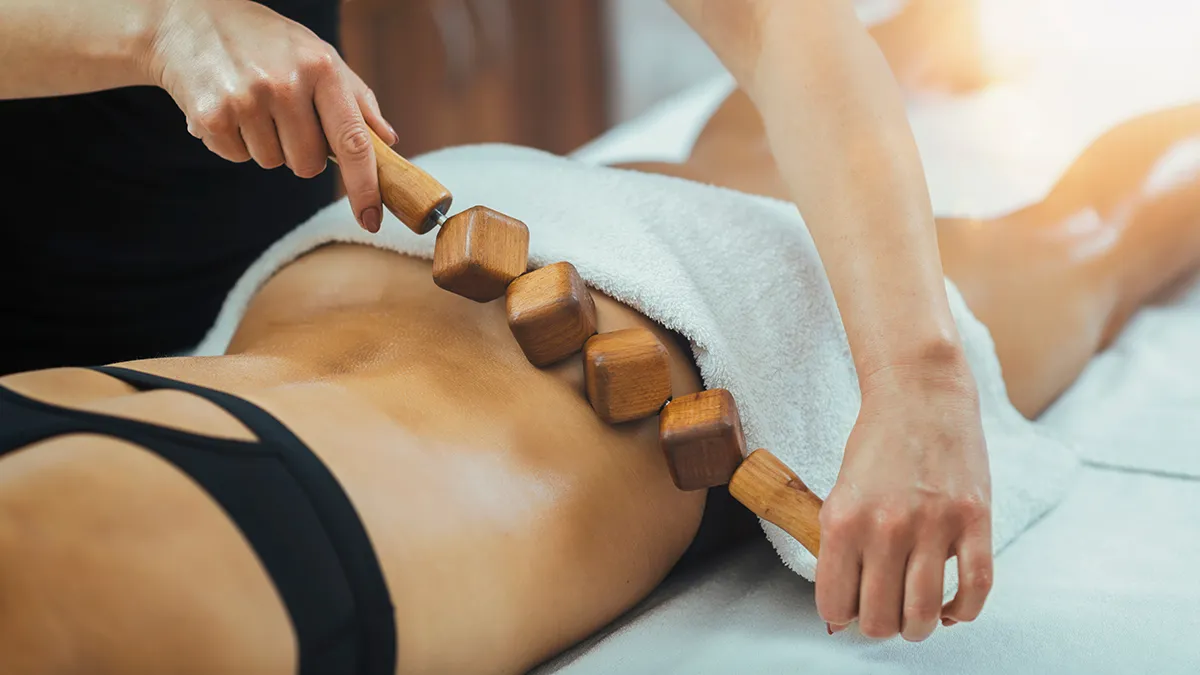
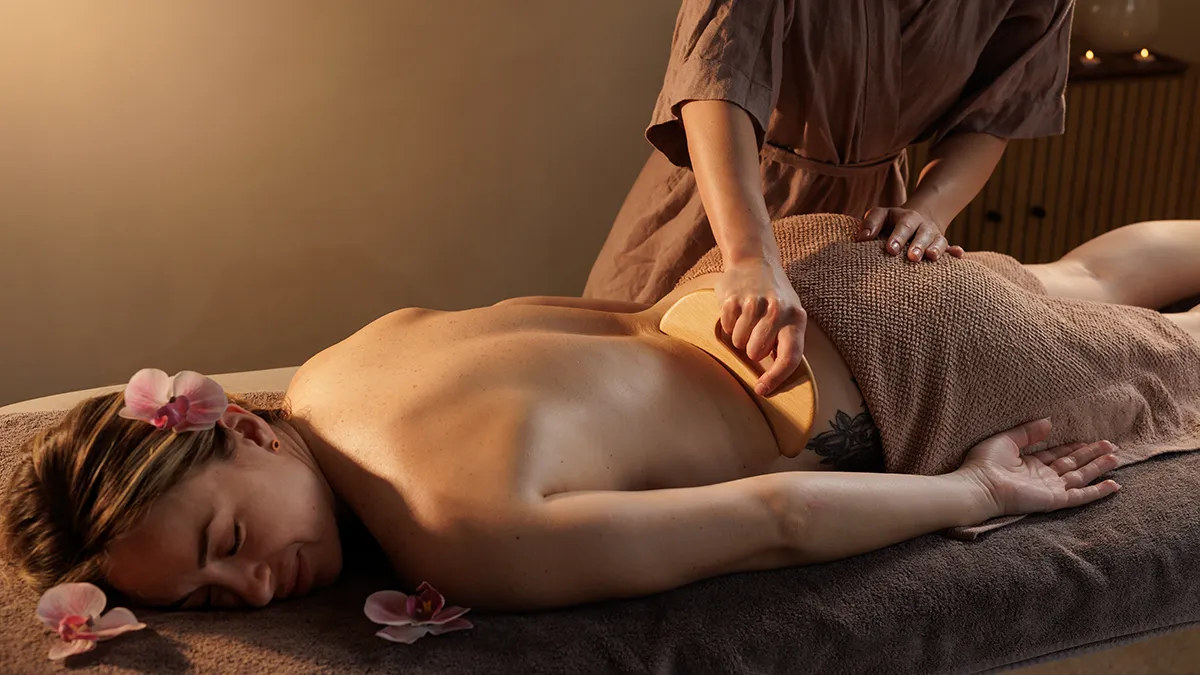
People are rarely the neutral "meh" team when it comes to massages. They mostly either love them or don't like being touched by strangers at all. But there are so many various techniques to choose from. These hit different tissue depths and have various goals. For example, a regular massage focuses on relaxing muscles, relieving tension, and improving circulation through deeper pressure and kneading techniques. A lymphatic massage, based on Manual Lymphatic Drainage, uses very light, rhythmic movements to stimulate the lymphatic system and help move excess fluid and waste products out of the tissues, and Brazilian lymphatic massage relies on a faster rhythm and uses specialized contouring techniques for places that are most likely to retain water, such as the waist, abdomen, and legs. It may also use wooden rollers or vacuum therapy to enhance the sculpting effect.
Today, we'll focus on the Brazilian lymphatic drainage massage, but first, we'll look at how we become aware of another system in the human body, in addition to the cardiovascular system. We'll explore if the ancients knew anything about lymph, who developed the first lymphatic drainage techniques, and why. Why is the Brazilian lymph drainage so different in its effects? We'll also explore how best to prep for your session with the massage therapist, discuss the benefits, and how long the visible body sculpting results last. A Brazilian lymphatic massage is part of the constellation of feeling and looking better, and you should understand that some things you may feel after the massage are completely normal. We'll also go through anti-aging lifestyle adjustments in the days following the massage to support detox and recovery. We'll learn a lot today, and I'll do my best to present it in an interesting and digestible flow, so sit back and enjoy. If you're just interested in the practical aspects of Brazilian lymphatic drainage massage, feel free to skip the intro chapter's origin story (it is not just reserved for villains).
From phlem to proper massage techniques
Were you to flaunt your physicianship way back when, somewhere under the skies of Ancient Greece, Rome, and Egypt, you wouldn't have known about lymph, but you would have discussed with your fellow doctors that you've noticed a clear fluid forming on wounds. You'd sit somewhere under the olive tree or in the shade of the pyramids and contemplate, only to consiliarly conclude that it must be a type of phlem.
Sounds horrible, but it budded from the medical framework of the time that employed the four-humor theory of the body developed by Hippocrates (yes, the medical oath guy that established medicine as separate science, no longer tied to superstition nad religion and actually observed, examined and kept record) and expanded by Galen (a medical giant who proved that arteries carry blood, identified the brain as the one controlling muscle movemnt, and demonstrated that kidneys produce urine; just imagine, no one knew any of this before him). The four-humor theory held that the body contained four main fluids: blood, phlegm, yellow bile, and black bile, and that sickness was essentially an imbalance among them. All clear bodily fluids would fall in the phlegm category, and so did lymph. They were aware of the cardiovascular system as circulatory, but not of the lymphatic system.
It was not until the mid 1600s that the lymphatic system received proper recognition and mapping by anatomists, which sort of made up for being considered weirdoes by all their medical colleagues. The ones who dissected were the true people on the forefront. These are people such as Gaspare Aselli, who discovered lacteal vessels in 1622; Jean Pecquet, who found the thoracic duct in 1651; and Thomas Bartholin, who described the lymphatic system two years later. This was when science acknowledged that the body had a second circulatory system, in addtion ot the blood vessels we've known about for a while.
But long, long before the cadavers quietly taught the anatomists this truth, all sorts of bodywork around the world already supported the lymphatic system, unbeknownst to their practitioners. Ancient healing traditions used massage regularly to help with muscle soreness (remember their world entailed much more physical work than ours), but also to move stagnant energy, reduce swelling, and help the body restore balance (of humors or energies). The ancients realized that they could manipulate health and wellness through the body. When they gently stroked, pressed, or rhythmically massaged the face, puffy undereye, and body, people often felt lighter, less swollen, and more energized.
Paris, 1936. In England, King Edward VIII was abdicating for the love of Wallis Simpson, the world was getting ever closer to war, and a husband-and-wife team of Danish doctors, Emil and Estrid Vodder, demonstrated their technique for treating chronic sinusitis and swollen lymph nodes. Although there were various tries to show techniques for encouraging lymph flow from 1892 onwards, this was the first time that someone had presented a system that actually worked - the Manual Lymphatic Drainage (MLD). From a weird woo-woo at the fringes of science, MLD is now part of mainstream medicine and a therapeutic tool used mostly to reduce fluid congestion, particularly following surgeries, injuries, or cancer treatment (lymphedema).
What is a Brazilian lymphatic drainage massage?
The mediasphere is abuzz with buzzwords, and the wellness world is well known for not being spared the pomp around the next fabulous new thing you’ve just got to do. But Brazilian lymphatic drainage massage (much more pleasant than the other famous Brazilian treatment, khm) is neither new nor a fad to get more people into the spa, as Tick-Tock prostitutes keywords left and right. It is actually grounded in science, detailed anatomy of lymph pathways, and a deep understanding of how our bodies move fluids and fight inflammation as a part of their normal clean-out and detox systems.
If you’ve been here before, you know we at MYSA are not that much into trends, but rather the truth about procedures, treatments, technologies, and tips to make you feel and look better and live vital, long lives. You can find trendy tidbits somewhere else.
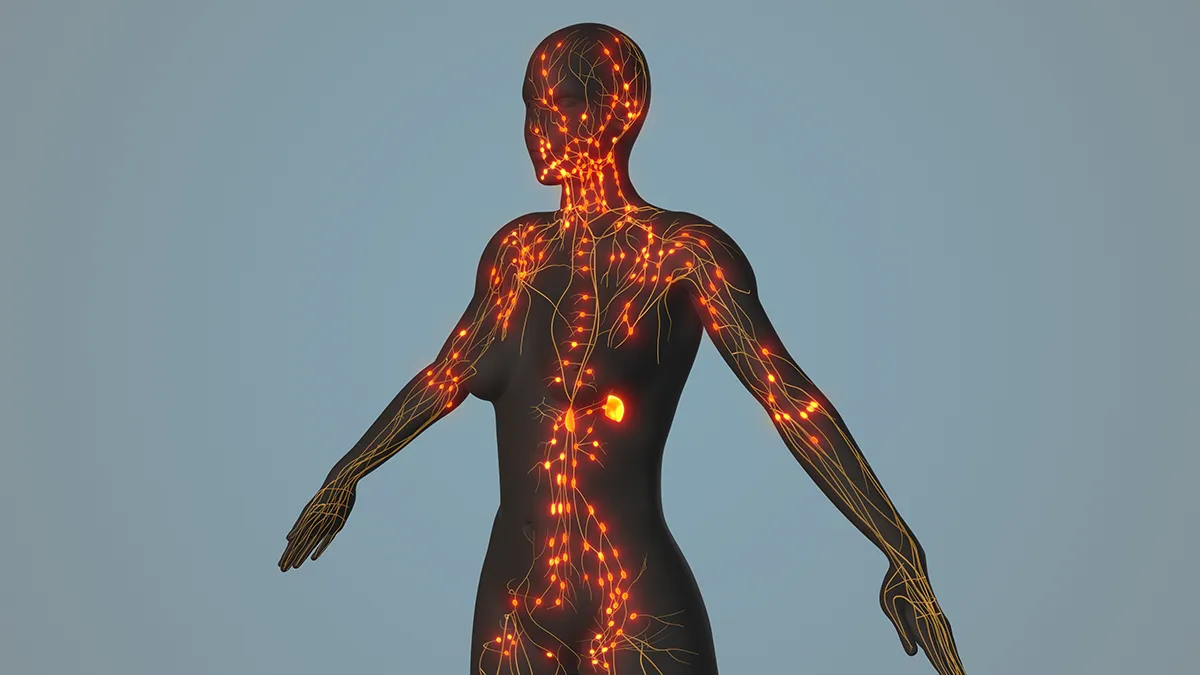
But what exactly is a Brazilian lymphatic drainage massage? And why are so many people swearing by the sculpted look and lighter feeling? Is that an autosuggestion and some sort of positive body dysmorphia to justify the money you’ve invested into a massage, or is it real? It is real and relies on supporting the lymphatic system, a network of channels that clears excess fluids, cellular waste, and accumulated toxins from our body.
The lymphatic system complements the cardiovascular system, which acts as a closed loop for blood (delivering oxygen-enriched blood and removing depleted blood from cells and tissues), and it circulates a fluid called lymph. Unlike the cardiovascular system, which has its own pump (the heart), the lymphatic system doesn’t have such an organ to propel lymph around. It relies on passive movement motivated by mechanical forces, such as skeletal muscle contraction, breathing (diaphragm movements), smooth muscle contractions in vessel walls, and one-way valves to prevent backflow of the lymph that has already picked up the toxins and all that needs to be excreted.
The lymphatic system is essentially the body's garbage disposal and sanitation system. It collects excess fluid, waste, pathogens, and debris from tissues and sends them to the body’s main elimination organs for processing. But before your liver and kidneys take a hit of this garbage, the lymph fluid will pass through some 800 lymph nodes. These will trap all sorts of bacteria, viruses, and cellular debris, and immune cells (like macrophages and lymphocytes) will gobble them up, keeping you safe. Clean lymph will ultimately get to the thoracic ducts and subclavicular veins and be reintroduced into the cardiovascular system. The remaining waste products from the lymph will be taken care of like other metabolic waste - mainly through the kidneys and liver - as we’ve mentioned. It's a misconception that lymph will eliminate anything through the skin, so don't buy this claim; it must pass the elimination organs.
Keep in mind that none of the stories about radical detoxes, endless days of juice cleanses, or hitting yourself with handfuls of stinging nettle at sunup after a cold plunge are necessary. They may have other benefits, but they will not do much for lymph flow. The body was designed to detoxify itself when you exercise, move, and breathe, and it is perfectly capable of doing so in the most effective way if we just stop getting in its way. So, a Brazilian lymphatic massage is nothing unnatural; it's just a little push, an extra mechanical force to get this pumpless, one-way system going.

How does a Brazilian lymphatic massage differ from a non-Brazilian
Unlike the usually very gentle and slow traditional manual lymphatic drainage, which the holistically oriented Vodder family structured, a Brazilian lymphatic massage uses faster, more rhythmic strokes combined with sculpting techniques. It is far more oriented toward aesthetic and body sculpting purposes, but you’ll still get the benefits of traditional manual lymphatic drainage.
The Brazilian massage’s pace, pressure, and methods are designed to help flush out that water retention and bloating (may she who has none throw the first salty snack), improve circulation (we do live in a sit-down world), and give your body some va-va-va-woom, sultry contours. You’ll look visibly smoother, snatched, and contoured. This will be visible immediately after a session and will last for a few days, which is why it's a favorite before red carpets, bikini-and-bodycon-dress vacations, and forever-picture events. You will visibly be able to pass as someone who eats right, sleeps 9 uninterrupted hours, and actually uses a gym membership beyond Jan 2nd.
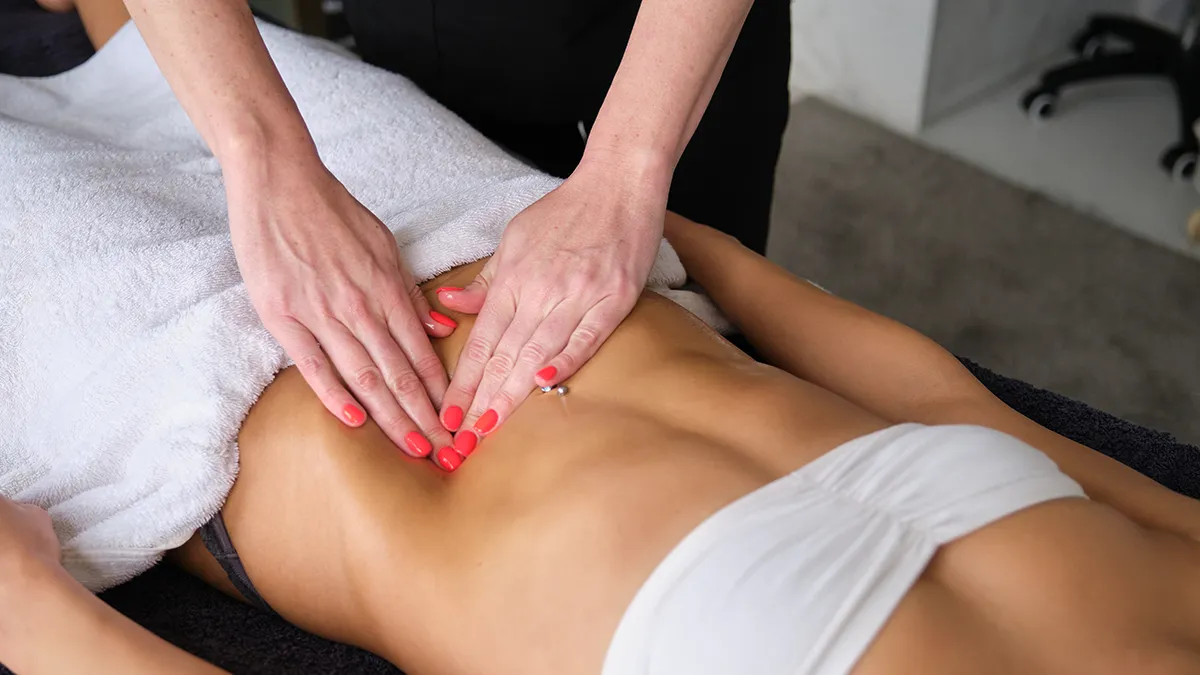
So, what happens during a session? Your therapist will use sweeping strokes focused on the most important lymph nodes (neck, underarms, abdomen, groin). In the Brazilian technique, you will get much more dynamic, and sculpting moves around the waist, hips, and legs, which are mostly problem areas with fluid accumulations.
Please, please keep in mind that, regardless of your new (and temporary) smoother look, the goal of Brazilian lymphatic drainage isn’t fat loss, but to remove excess fluid and reduce inflamed-looking puffiness. Your fat percentage won’t change. But it's also worth noting that excess salt and carbs in the food will cause you to retain much more fluid than necessary.
How do you prepare for a Brazilian lymphatic drainage massage?
Whatever we do, we can do well or poorly. This applies to lymphatic massages too, because your choices can enhance or hinder the success and final outcomes. Remember to:
- Hydrate well before your session to support fluid movement. Dehydration will make things more difficult and detox harder.
- Avoid heavy meals 2–3 hours prior, as these tend to be high in carbs, salt, and fat, and will not allow the release of retained fluids.
- This is not the time for fancy lingerie or polyester frills (there is never a time for this if you care about feminine health). Wear comfortable, breathable underwear or follow the clothing guidance of the spa or a therapist (typically, you’ll be draped or wear disposable garments).
- Let your therapist know about any health conditions or recent surgeries before you begin. This may instruct the therapist to avoid potentially painful areas or give more attention to an area you’d like to depuff if there is some post-op swelling. But share this information.
Main Benefits of Brazilian Lymphatic Drainage Massage
- Instantly visible sculpting and body contouring results (especially of the waist, thighs, and face)
- Reduces bloating and water retention, both very common in female bodies due to hormonal changes
- Improves lymphatic and blood circulation, delivering more oxygen and nutrients to cells and cleaning our intracellular garbage and pathogens way better
- Post-surgical recovery support (e.g., liposuction, tummy tucks), where you’d have a pronounced and prolonged swelling in the area of intervention
- Boosts immune support by helping lymph flow and pass through the lymph node filters to clear out bacteria, viruses, and fungi before they become a problem
- Promotes relaxation and body awareness, which in turn lowers the stress hormone cortisol and makes you feel calmer and more balanced
How Long Do Results from Brazilian Lymphatic Drainage Last?
One of the most exciting things about a Brazilian lymphatic drainage massage and the main reason behind its pre-event popularity is how quickly you can see a difference. Many people see improvements immediately after the session, such as less bloating, more defined face and body contours, and even a subtle skin glow (but that’s mostly the oils). Although spectacular, the results won’t last indefinitely. Brazilian lymph drainage effects are temporary and typically last 2 to 7 days. How long you get to keep your results will depend on a few key factors:
- How well you’re hydrating. Seriously, people, let’s drink at least 2L of water. There are so many beverages around that we sip on regularly. But if they have added sugar, they will dehydrate you aaand you’ll retain even more water, ruining your aesthetic results.
- What your diet looks like (especially salt intake). Salt draws water out of things; that’s why we use it to cure meats (a dry, organic thing doesn’t spoil as easily). Favor anti-inflammatory foods (greens, berries, omega-3s), and avoid high-sodium processed foods (in general, not just after a massage).
- A place in your hormonal cycle. There are some dragons you can fight and some you can’t. Hormones run the show, and if your bloat is hormonal, you’re pretty much at its mercy. The massage will help to take the edge off and relax you, but you won’t look follicular when PMS-ing.
- The amount of movement you get. You must move. There is no substitute for the muscle's mechanical movement, which helps keep the lymph moving in a healthy way and can double the time you look sculpted after a Brazilian lymphatic drainage session. Choose gentle exercises like walking, yoga, or rebounding to keep lymph flowing between sessions.
- Dry Brushing: Use a natural-bristle brush before showering to stimulate lymph flow, and you can do this daily, not necessarily as a post-massage keep-up.
If you’re looking to maintain that light, sculpted feeling or have a busy social schedule with lots of photo ops, keep consistent. Ideally, you’d schedule one to two sessions per week, paired with lymph-supporting habits to help prolong the benefits naturally. But never confuse a Brazilian massage with a way to permanently lose weight. You might feel better, but you’ll feel so with exactly the same number of fat cells (yes, they usually grow in size, not number).
Side Effects and Safety
Brazilian lymphatic drainage massage is utterly safe when performed by a trained therapist. Don’t just go see anyone without a formal education who will push here and there. You need your professional to understand anatomy and the lymph highways and byways throughout the body.
Regarding side effects, there will be some mild, common ones that are nothing to worry about. Just a normal bodily reaction to the release of fluids and shifting of internal rhythms. These are signs that your body is responding to the treatment, not red flags.
You might notice:
- Mild fatigue (if you’re in your mid 30s or older, have a job, and/or family, pay bills, cook, and have places to be and people to see, you’ll feel fatigue anyway, so YOLO). Your body’s doing a lot, A LOT of internal cleanup. All hands are on deck, lymph nodes are working overtime, the fluids are draining, cells are cleaning house, so you could feel a little sleepy or low in energy right after. Ideally, plan your massage so you can rest afterwards for a while. You’ll need it.
- Increased urination - oohh when those kidneys start buzzing along with extra loads to clean and excreete you’ll have to pee like you’ve had a couple cheap beers at a festival every couple of hours. This is completely normal and a sign that your lymphatic system is on the move, dumping more fluid towards the kidneys, flushing out excess fluids and waste. Keep hydrating to support the process. Don’t let yourself get dehydrated during this intense post-massage cleansing.
- Slight soreness - There will be some mechanical force or tools employed, especially if the massage includes intense sculpting techniques. The soreness is a natural response to the manipulation, and you’ll feel like the day after a good (but not extreme) workout. The soreness is typically very mild and resolves quickly on its own as the body restores normal function after the intense cleaning.
- Temporary dizziness - This sometimes happens and is not worrisome. It is linked to dehydration or getting up too fast post-treatment, like people with low blood pressure get woozy after squatting for a while and standing up too fast. Drinking solid amounts of water beforehand helps prevent this.
As you can see, side effects are a breeze, and most healthy adults can enjoy a Brazilian lymphatic massage as they please, but all things have their caveats. Even cotton candy can be dangerous in the wrong hands, so lymphatic drainage isn't suitable for everyone because, in certain conditions, the increased fluid movement could be risky.
Avoid or postpone your Brazilian massage if you have:
- Congestive heart failure. Since all fluids eventually drain into the cardiovascular system, fluid movement can unnecessarily strain the struggling heart muscle.
- Blood clots or active thrombosis. Stimulating circulation may increase the risk of complications, such as a part of the clot breaking off.
- Active infections or untreated cancer. This is tricky because if you’ve got a local problem like an infected or cancerous area, the last thing you’d want to do is spread the infection or metastases. Unless cleared by your doctor, a Brazilian massage could inadvertently cause damage or interfere with targeted treatment methods you’re receiving.
- Kidney issues or uncontrolled hypertension. These conditions impact how your body handles fluid shifts and detoxification in general, and you have trouble even with the regular amount of flow and pressure, so it is not a good idea to risk it by adding more.
- A positive pregnancy test. Early pregnancy might also not be the best time to get this massage, so consult with your gynecologist before booking one.
If you’re not really sure about your particular condition or individual health situationship, go talk to a licensed healthcare provider, and if you're cleared for a massage, let your therapist know about any medical conditions. There is no shame. They deal with bodies all day long and are there to tailor your experience safely and mindfully.
Lymphatic drainage device suggestion: FAQ™ 411
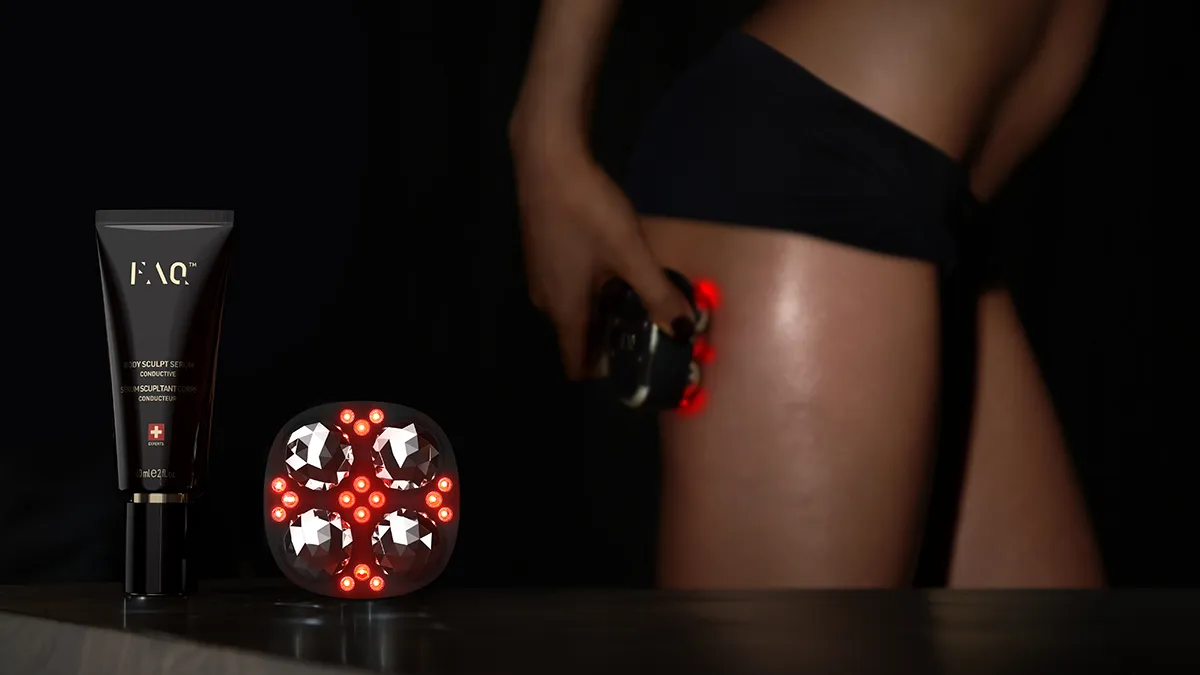
Combined with a loss of skin elasticity, firmness, and muscle mass, the skin on our bodies can appear saggy, less smooth, and more prone to cellulite, especially as we leave our 20s and early 30s behind. This is a classy way of saying the area is drooping and jiggly, like jello stuck in a wrinkled balloon that's been inflated and deflated a few times too many and will no longer return to its original shape. FAQ™ 411 is a device that can be used at home to achieve similar, more permanent results to Brazilian lymphatic drainage for the body. It combines 3 clinically proven technologies into a single advanced, non-invasive solution:
MICROCURRENT firms muscles, giving the body a more toned & sculpted look.
RED LIGHT THERAPY boosts collagen to smooth away the appearance of wrinkles & creepy, dull skin.
T-SONIC™ MASSAGE enhances overall circulation and lymph flow, improving the appearance of cellulite.
Once again, whether on the body or the face, microcurrent devices must be used with a conductive primer, always. For a body-toning device, we recommend FAQ™ Body Sculpt Serum, a rich firming serum developed specifically for this device and infused with a 4-Peptide Complex to firm, Sea Kelp Extract to support elasticity & 8 different types of Hyaluronic Acid to nourish deeply. Or you can simply explore some microcurrent gel alternatives or use what you have (and are sure is designed for microcurrent treatments).
FAQ™ 411 benefits
These follow the benefits of the facial devices in this line, just applied to the larger muscles of the body, with a larger contact surface. FAQ™ 411 body toning device:
TONES & SCULPTS FIGURE
FAQ™ 411 uses up to 960 uA of microcurrent to tone and tighten the muscles in your body, so the skin above is firmer and more lifted, leaving you with a more sculpted figure.
REDUCES CELLULITE
Red light therapy and T-Sonic™ massage work together to boost lymphatic drainage, which helps distribute the fluid and fat deposits that accumulate in collagen pockets, reducing the appearance of that stubborn nemesis - cellulite.
FIRMS SKIN & SMOOTHS WRINKLES
Microcurrent & red light therapy are both clinically proven to increase the production of collagen and elastin, thereby firming the skin and fading lines and wrinkles.
PROMOTES HEALTHY, RADIANT SKIN
Red light therapy & T-Sonic™ massage help stimulate blood and lymphatic flow, enhancing the delivery of oxygen and essential nutrients to cells and removing cellular waste faster, accelerating the skin renewal process, fading pigmentation, and leaving skin looking healthy and radiant.
Conclusion
Flow is the most natural of movements that governs this planet, just ask water (or Bruce Lee). Brazilian lymphatic drainage massage flows from experienced hands at a crossroads where anatomy meets aesthetics and ancient body intuitions meet modern wellness culture.
Lymphatic massage is pretty straightforward. It just gives a nudge to a pumpless system that usually relies on breathing, movement, and muscle contractions to keep lymphatic fluid flowing. When those rhythmic strokes glide along the body’s lymphatic pathways, they drain retained fluid, improve blood circulation, and leave many people feeling noticeably lighter. A single session will do for a visibly sculpted look by diminishing puffiness and inflammation, but you won’t lose fat.
Yes, the Brazilian lymphatic drainage sounds fabulous and almost unreal, but it works best when it’s part of a bigger picture that includes hydration, movement, and a lifestyle that doesn’t constantly sabotage your lymph with salt bombs and marathon sitting sessions. Think of it more as a biological assist for a system that never clocks out. Beyond the visible sculpting, which will most likely motivate you to get a Brazilian lymphatic massage, there’s something quietly powerful about slowing down long enough to let your body reset its internal rhythm (keep in mind that you can forget losing belly fat if you’ve got high cortisol).
Sometimes the most luxurious thing you can do for your health isn’t a radical detox or another extreme trend, snips, tucks, needles, planned mini electrocutions, or freezing, but simply helping your body do what it was designed to do all along: flow. We hope you’ve learned something precious here today. Stay cool and curious, and enjoy living in your skin, dear friends.






Leave a comment