14 min read
Does Creatine Make You Gain Weight & Other Key Questions?

Three people, 4 days, a dozen or so coffees, and a few dwellings on (almost) midlife later, a single question kept popping up: Does creatine make you gain weight? You’d expect this inquiry in a gym or a health club (I went once in those 4 days… to a smoothie place in the general vicinity of the gym), but these were questions from people from all walks of life, including my non-gym-babe, totally-over-a-bikini-body, and happy-in-her-skin mom.
Hyped, debated, and misunderstood, creatine is an anti-aging supplement that gained popularity through the gym and bodybuilding scene, with benefits and warnings trickling down the vine to the sweaty spinal erectors. It’s been touted as everything from a miracle, quick muscle-builder to a bloating culprit, from sculpting to a bulking agent. Everybody is wondering what does creatine do, what its benefits and side effects are, what it is good for, and how much water should you drink on creatine. Do you take it after you’ve worked out, or choose a creatine pre-workout?
So many questions about something we actually produce in the body and get from animal-source foods. That’s why we’re here today, to answer your most common conundrums. Rather than talking about hearsay and n1 personal experiences and anecdotes, we’re gonna ground ourselves in actual science to unclog the misconception-backed-up info line.
Before we get to the question everyone is Googling after hearing something from a friend or in a gym locker room, we need to really understand what is creatine, what it does, what the benefits and side effects of adding a creatine powder or creatine pills into rotation are, and why your body already intensely depends on it, even without supplementing. Get comfortable, sip on whatever rocks your boat, and let’s go,
What is creatine?
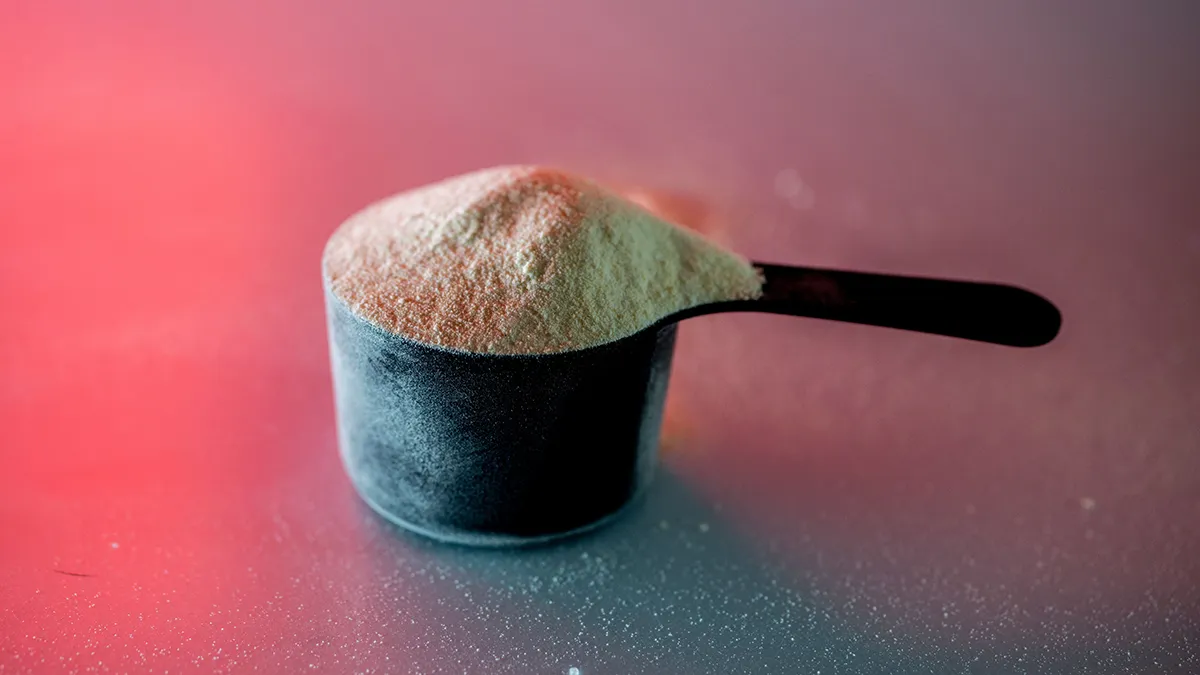
What is creatine? Creatine is a fast energy source naturally produced by our fabulous bodies in the liver, kidneys, and pancreas. These organs produce about 1g of creatine per day, regardless of your diet, and store it in the muscles for safekeeping when the body needs fast energy. But diet is still an important secondary source of creatine. Creatine is found mostly in protein-rich foods like meat (mostly red), fish, and in small amounts in dairy milk.
So even if you're vegan or vegetarian, your body will still be making its own creatine. We're basically red meat, too, and were a source of food for other predatory species throughout evolutionary history.
How does creatine work? The main function (you can’t even call it one of creatine’s benefits, really) above all else is support for the production of adenosine triphosphate (ATP) in the mitochondria. ATP is literally the energy of life. Seriously, if ATP production stopped for a minute, you'd be pushing up daisies, and people would be saying how nice you were (even if you weren't). BTW, cyanide works by preventing ATP production.
Creatine benefits
What does creatine do besides the ATP gig? Well, downstream effects of more cellular energy will inevitably reflect in the improvements of functions of other bodily systems, including other creatine benefits, like:
- Boosting athletic performance (that’s why athletes love it)
- Increasing lean muscle mass and muscle volume (that’s why gym bros and sisters and people with GLP-1 muscle loss love it)
- Speeding up muscle recovery (that’s why we all love it)
- Supporting cognitive function, such as memory and cognitive performance (that’s why we consider it once the middle-aged brain fog hits)
These are all reasons why creatine supplements are often listed among the best supplements for muscle growth, but the conversation is increasingly evolving into other benefits of creatine for improving overall performance.
Creatine supplements (like creatine powder, creatine pills, and creatine gummies) or all-in-one supplements containing creatine mostly use the creatine monohydrate form, typically at about 3–5 grams per day or twice a day to deliver these benefits.

How does creatine work?
If you don’t care much about the mechanism by which things work, feel free to skip this (a bit more sciency) chapter of our discussion and skip on down to the more pragmatic and actionable creatine Q&A (hey, the world needs both types of people, we get it).
How does creatine work? Creatine works primarily by increasing the body's immediate energy supply to muscles and brain tissue, as we’ve mentioned. But how does it achieve this? It acts as a sort of storage battery for the invaluable adenosine triphosphate (ATP). We’ve said that ATP is a must, a nonnegotiable, the primary "energy currency" your cells use to function. Think about the word currency. We use it for money too. It is power, it is movement, and a current of things from one place into another. It is an exchange and a constant flux that keeps us alive in this particular ATP case. These are creatine mechanisms:
The Energy Cycle (ATP-PCr System)
In our cells, we get usable and life-sustaining energy when adenosine triphosphate ATP loses a phosphate group and becomes adenosine diphosphate (ADP). If we were doing an intense activity, degrading all of our tri-s into di-s this is very unfortunate, presuming we wish to continue intense activity. So, our body must quickly turn ADP back into ATP.
Creatine is stored in muscles as phosphocreatine, which "donates" its phosphate group to ADP, rapidly regenerating ATP during high-intensity tasks. In practical terms, this means you can maintain your peak performance for longer, doing more reps, faster sprints, or remembering where you put your keys.
Muscles Effects
Does creatine make your muscles look bigger? Yes. It influences muscle growth through these cellular processes:
Water retention with a fancy name of cell voluminization. It’s just that the cell is holding on to more water because creatine is osmotically active, meaning it pulls water into muscle cells. This increases cell hydration, making them plump and, on a larger tissue scale, making muscles appear fuller.
You’ll get bigger muscles if you train with creatine than without it, regardless of water retention, because creatine can increase the flow of signals between neighboring muscle cells to help repair and build new muscle fibers. It’s like communally trying to do something better with a plan rather than everyone doing their own thing and winging it. This is something that gets ever more important the older we get. It’s a very bad idea to lose muscle mass and get fragile, especially for women post menopause. If you’re gonna get just one thing from this, let it be this: Guard your muscle mass with your life from your 30s onwards.
There is a hormonal side to this, with studies showing that creatine stimulates anabolic hormones such as IGF-1 and lowers myostatin, a protein that can inhibit muscle growth. It may also affect the rate of protein breakdown during and after exercise, leading to less wear and tear in addition to the previously mentioned faster recovery.
Also, if you’ve been training hard and beating up your body, or have had a muscle injury, creatine helps reduce muscle damage and speed up recovery between training sessions. Plus, every gain of new muscle is a structured destruction of the old one.
Cognitive and well-being effects
Brain health is a big deal here. Like muscles, the brain uses significant amounts of ATP energy. The brain is only 2-3% of body mass but accounts for about 20% of the body's total energy consumption, and it is always hungry for energy (sleep state is not as uneventful as you’d think; you’re basically just paralyzed, but all tabs are running). It is true that resting muscle uses less energy than the brain, but when very active, total muscle mass can exceed the brain's needs.

Regarding the cognitive improvements people report after using creatine, these include improved short-term memory and reasoning skills, as well as alleviation of mental fatigue due to increased phosphocreatine stores in the brain. This is especially valuable for older people who can feel their faculties slipping or when knowing in advance you’ll be under conditions of significant sleep deprivation, but will need to perform.
Creatine benefits are also being researched in other areas of health and well-being, with potential therapeutic applications in managing glucose levels, supporting heart health, and neuroprotection in conditions like muscular dystrophy.
Micronized creatine vs monohydrate and other forms
As with all things in life, creatine too has nuance, and there are multiple forms of creatine competing for attention. The most common types of creatine on the market include:
- Creatine monohydrate: the gold standard, well-studied, and effective for daily use for muscle strength, mass, and recovery.
- Creatine hydrochloride: More soluble than monohydrate. People use it for smaller, faster-acting doses, commonly to avoid stomach issues or water retention side effects.
- Micronized creatine: Is basically the same as monohydrate, but more refined, so it dissolves more easily in liquids. Some prefer this.
- Buffered creatine: A pH-adjusted version designed to be more stable, reducing gastrointestinal discomfort for those who are sensitive.
- Other types: Creatine Magnesium Chelate (for enhanced absorption), Creatine Nitrate (high solubility), and Creatine Ethyl Ester (advertised as better absorption, but not better than monohydrate).
Is creatine safe?
Look, darling, context matters. Always has, always will. So anyone claiming the existence of a single universal truth that completely ignores contextual changes or individual differences is overly conservative and rigid, unable to adapt to the (sometimes volatile) shifting nature of reality, and will eventually get crushed by it.
Is creatine safe? Short answer: mostly yes. Longer answer: It depends. Do you have some pre-existing kidney or liver dysfunction, are you taking kidney medications, or are you diabetic? Are you very young with your body still rapidly growing, or do you have Parkinson's but also drink coffee or energy drinks like your life depends on it (>300 mg/day of caffeine a day), or maybe high blood pressure? These are the conditions that always require you to consult with your doctor, rather than following the advice of a blog that presumes a relatively healthy adult reader. So:
- Is creatine safe? For generally healthy individuals, overwhelmingly yes.
- Is creatine good for you? If you are that healthy adult from the row above, yes.
- Is creatine bad for you? (Flipped it and reversed it like Missy Elliot here) Only if misused or if you have any of the medical conditions cited above.
Creatine side effects
Side effects don’t mean “bad”. Even too much water or oxygen has side effects. Side effects mean that the name of the body game is balance, and sometimes when you’re trying to rebalance one thing, you temporarily disrupt something else. Let’s address this elephant in the gym. Side effects of creatine are usually mild, transient, and include:
- Water Retention / Weight Gain: People ask, “Does creatine make you gain weight?” a lot. Well, yes and no. Your scale may go up a tiny bit, but you’re not gaining fat. Creatine draws water into muscle cells, often leading to a rapid weight increase of 2–6 pounds in the first week. This mostly happens during the initial loading phase.
- Gastrointestinal Issues: It happens at high doses, for example, more than 10g at once (this is why we mostly stick to the 3-5g). More may cause stomach discomfort, nausea, diarrhea, or bloating. Or you may not feel a thing. People are different.
- Muscle Cramps / Stiffness: While debated, some users report increased muscle cramps. We can’t say for sure, but an increase in muscle volume may be related to this, or to electrolyte shifts due to more water in the body.
- Dehydration: As your muscles demand more water with creatine, they will get it from the rest of the body, and if you don’t drink more fluids, it can lead to dehydration, but no creatine alone does not cause dehydration. More intense exercise on creatine without replacing water might.
So, how much water should you drink with creatine? About 3-4 liters, especially if you’re gonna do the initial loading with higher doses. Basically, keep an eye on your urine color. Light Yellow is good. Dark yellow is dehydration. Clear is too much water, and you may disturb your electrolyte balance.

To minimize side effects, avoid loading phases (choose consistency and small doses instead), drink plenty of water, check your pee color, and stick to a consistent dose of 3–5 grams per day or twice daily. Research suggests that a healthy adult can use creatine safely for 5 years.
Creatine for women vs men
The benefits are largely the same across sexes, but creatine's benefits for women seem somewhat enhanced. This correlates with the fact that women's muscles naturally have lower natural stores of creatine (basically, we were built to be soft and squishy, rather than toned). Women will have about 70-80% less endogenous (internal, not gained from outside) creatine stores in muscles, so the relative benefits when you start taking creatine are better. Imagine someone with a mild Vitamin C deficiency and some scurvy-riddled sailor way back when. Who would have more measurable benefits by sucking on a lemon a day?
What does creatine do for women? It will improve muscle tone and help build lean muscle, increase strength, reduce fatigue (oh yes we know this one intimately, don't we ladies; I was considering selling my soul to never feel this again, but then I though "Who'd love all the kittens?", so I'm still tired; haven’t tried myself some creatine, yet), and speed up recovery. The same as for guys, just better. But the magic is that it helps dampen hormonal shifts during our cycles and ease the transition during menopause, cutting through that can't-remember-three-letter-words brain fog. Plus, it seems that weight gain with creatine affects men more.
This is why creatine is often included in workout supplements for women, and why the benefits of creatine for women are gaining more attention, even outside gym circles.
How to take creatine
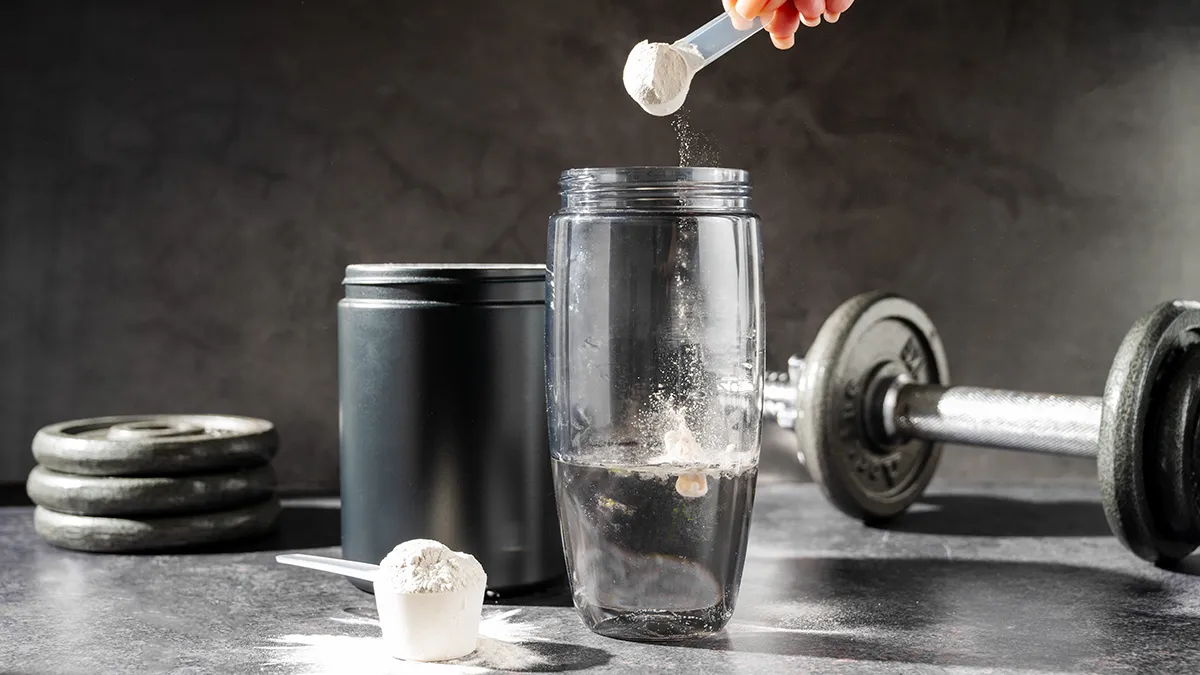
No need to overthink how to take creatine. Just follow a few simple rules that will make most of the potential creatine side effects far less likely. These are the core rules:
- 3–5 grams or 10 grams a day, split in two, is ideal
- No need to cycle, it’s safe for years of continuous use
- Stay consistent, you’ll see changes in a few weeks
Timing?
When should I take creatine? Ideally, in the morning, but anytime that fits your schedule well is also ok. The best creatine for women is the one you’ll remember to take.
When should you take creatine in regard to workout timing? Well, post-workout is slightly more optimal for body composition and strength, but consistency beats timing, so if you can only take it before, do it before, and don’t worry about creatine before or after workout. Just make sure it’s daily if you want all of the wellbeing benefits.
Creatine Quick Draw Q&A Session
This is what you came here for: the quick question and answers about creatine. We’ve had some of our own questions and looked for what people keep asking around the Internets. Buckle up. We’re gonna do this fast and loose (and accurately).
Does creatine make you gain weight?
Yes, it might, but not in the way you think. This will not be fat gain or bloating under the skin; most initial weight gain is water stored in muscles.
Can creatine help you gain weight?
Yes, as we’ve mentioned, primarily through water retention initially, but it will also help build lean muscle mass faster. Muscle is denser than fat, so if you’d like to gain some weight, building muscle is the logical and far healthier option than accumulating fat.
Does creatine make your muscles look bigger?
Yes, even before you build more muscle, if you’re taking creatine while exercising, the increasing water content inside muscle cells will still give muscles a fuller, more toned look.
Does creatine make you sleepy?
No. Quite the contrary, people ask does creatine give you energy more often because they notice the change subjectively due to creatine increasing energy production indirectly via ATP. If you’re unusually sleepy, there is something else going on. It’s not creatine.
Does creatine make you break out?
No. There is no evidence to support this side effect, although some individuals report acne. Still, it may just be a regular breakout due to something else, like lifestyle or hormonal fluctuations.
How do I know creatine is working?
You’ll notice a slight weight increase, better athletic performance, and faster recovery, and then effects such as improved cognitive performance, like memory, and more energy in general.
How much water to drink on creatine?
Stay well hydrated with 3 or more liters of water per day. This is not an optional tweak. Creatine pulls water into muscles and may dehydrate you if you don’t increase your water (or anything that has no sugar or caffeine, it can be broth, tea, or mineral water) intake.
Creatinine vs creatine?
Creatine = supplement/energy molecule
Creatinine = a waste product measured in blood tests
How long does creatine stay in your system?
Roughly 2–4 weeks after stopping, levels will gradually return to your natural baseline, cca 1g/day synthesized + food sources.
What happens when you stop taking creatine?
Nothing horrible. If you stop, water weight drops, and performance may decrease slightly. No big deal if you’re not an elite athlete who may need every second of advantage, and where every extra rep and hour of recovery counts.
Can you take creatine without working out?
If you don’t work out, benefits will be minimal - but it’s still safe to take creatine. Still, do introduce at least some physical activity in your week, creatine or no creatine.
Should I take creatine if I’m trying to lose weight?
Seems strange, but yes. Creatine helps preserve muscle during fat loss, and you know that a few pounds up is not fat, but water.
Do you lose muscle when you stop taking creatine?
No. You may lose water weight and feel like as if you’ve lost some muscle, but actual muscle remains if you keep training.

Can I mix protein powder with creatine?
Sure, this is completely fine and commonly done, and may even have more benefits on recovery and building new muscle mass.
Micronized creatine vs monohydrate?
Micronized has smaller particles for better mixing, but effectively it’s the same as monohydrate.
Final thought
So does creatine make you gain weight? Yes, but you’re not getting fatter. There are a lot of downstream benefits on the other side of those couple of pounds of water weight, going far beyond muscle building and faster recovery, especially for those of us struggling with chronic fatigue or being thrown left and right by the oceans of hormonal change. If the scale goes up a bit, that’s not a personal failure or gluttony; it’s the physiology of the substance doing what it’s supposed to do. It means that it’s working.
Creatine is one of the most studied, effective, and safe supplements available, with very few mild side effects and generally safe for the vast majority of people. Used correctly, it supports strength, performance, and resilience, and it is very versatile and stable, in the form of pills, powders, smoothies, coffees, or as creatine gummies you can buy or create at home.
Whether you’re here today playing with the idea of getting a creatine supplement or an all-in-one multivitamin and mineral green powder containing ideal creatine doses for daily use, because you’re comparing creatine monohydrate and other forms, or just casually wondering what creatine even is because you’ve overheard those two 26-year-old office gym bros by the water cooler, it doesn’t matter. What matters is you’re willing to learn, explore, improve, and help yourself, and I applaud you for this. Stay cool, curious, informed, and gorgeous, dear friends. See you on the flip side.
For those interested in the interplay of supplementation, vitamins, beauty, wellbeing, and longevity, may we suggest some further reading:
Science Says: What are the Best Anti-Aging Supplements?
1+1 = 11: Integrating Supplements with Skincare Routines
Beauty From the Inside Out: Best Supplements for Glowing Skin
Anti-Aging Supplements Synergy: What Vitamins to Take Together?
Zinc & Copper: Front Men of the Body’s Heavy Metal Band
FAQ™ Pure All-in-one Supergreens Supplement for Anti-Aging & Longevity
Gut Health and Symptoms of Nutritional Deficiencies




Leave a comment