14 min read
Are Red Light Masks Really Safe?

Are red light masks safe? Short answer: yes. Longer answer: yes - with a few key conditions fulfilled, some common sense, and a good understanding of how (and why) LED light therapy works. The longest answer is what we’ll go over in the following chapters.
We want you to be able to make your selfcare decisions from a place of informed choice, rather than getting swept into the white water stream of each new fad. We want you to be intelligent, critical, able to analyze and compare, aware of the difference between actual value and marketing fog, and to be careful with how you invest your money. How we spend is always an investment, be it in good food or bad, in healthy habits or binge drinking, in the first red light therapy device you see or an FDA-approved red light therapy mask. Either way, where your money goes signals what you want from life, quality, selfcare, and what is acceptable and unacceptable in the life you’re building for yourself.
We’ve all seen those robot-chic LED face masks take over social media and gain an ever stronger bolstering of famous proponents left and right. The feeds promise to smooth years of lines etched onto our faces, fade the deep lines that have sedimented over decades of laughs and cries, and promise fresh and glowing skin you can only envy in your own photos from a few years before. Red light therapy (RLT) has become the new darling of global hi-tech skincare routines, and no matter how much confirmation we get about its efficacy and cumulative benefits, there is this nagging question we’ll successfully ignore until finding ourselves Googling at 1 a.m. of a random sleepless Thursday - Are red light masks safe? You already know the answer, so let’s dive in deeper now and help you make the best choice.
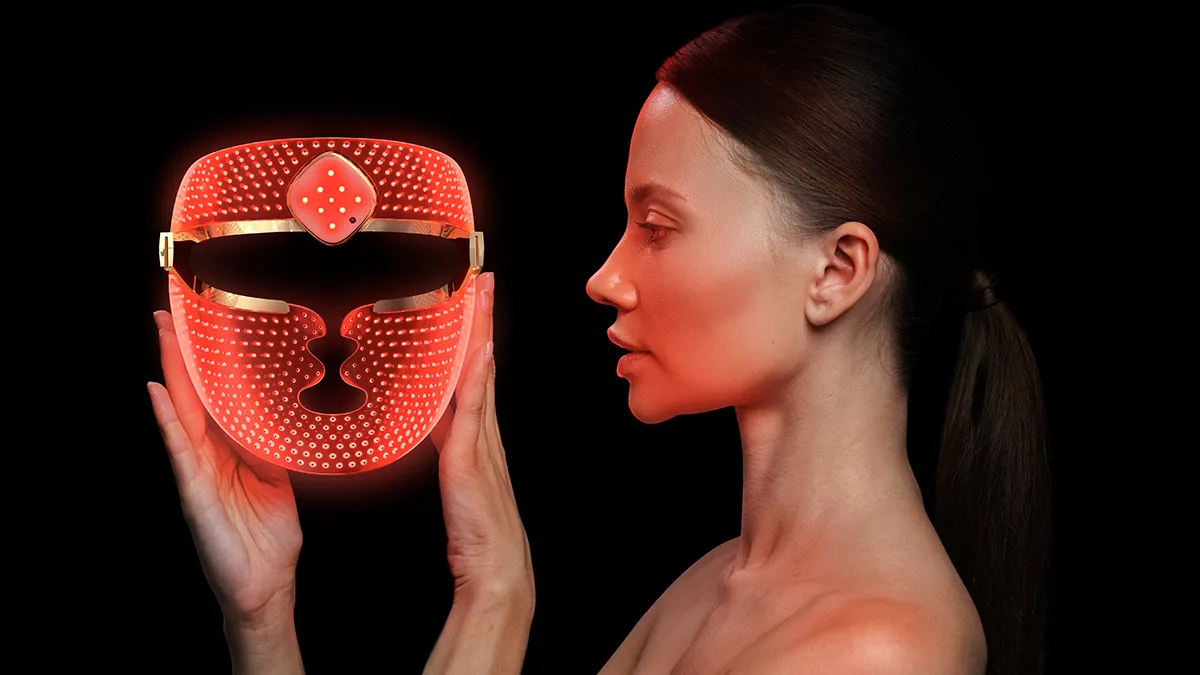
Why Are Red Light Masks Safe?
Dermatologists, clinical studies, and the safe-for-the-large-majority profile of low-level light therapy (LLLT; which is what red light therapy is) are backed by robust scientific pillars explaining why there is no reason to fear red light masks. People worry about burns, heat damage, hyperpigmentation, and worsening wrinkles, but although therapeutic wavelengths of LED light have strong intracellular effects, you will not burn or photoage your skin. Why?
Red light therapy is non-thermal, non-UV light, which means it is not like the light from our personal star up there in the sky, which will punish the SPF reluctant in a couple of dozen minutes. LED light will not fry your skin because it is vastly different from tanning beds or lasers.
At-home LED masks are essentially a gentler, more user-friendly version of an in-office classic that uses way more powerful devices and stronger irradiation (power and intensity of light), which is why the aesthetician had to be trained (because there is a risk of overexposure). At-home LED masks were designed with the presumption of use by non-professionals. You’ll usually have shorter daily treatments, and the results come as a compound benefit over time, as the skin cells get more energy to invest into, for example, skin repair and collagen formation. A study by Wen-Hwa Li et al. irradiated human dermal fibroblasts or skin tissues with a combination of red (640 nm) and near-IR (830 nm) LEDs at 0.5 mW/cm2 for 10 minutes (0.3 J/cm2), daily. They concluded that it increased some favorable gene expressions and the synthesis of the procollagen type I and elastin proteins.
To simplify the difference:
- UV light overexposure is harmful, damages DNA, and ages skin.
- LED red & NIR light is very low-risk, non-ionizing, and non-damaging.
This crucial distinction is why LED therapy is not only a skin-tech lover’s favorite but is also widely used in medicine and recovery, where lab coats had hoped they had a potential cancer cure on their hands. It did not cure cancer, but it did heal wounds faster (which is why NASA got interested) and regrew fur on rats (that's how the beauty industry got interested, using red light therapy for skin healing, anti-aging, and non-invasive treatment of hair thinning and hair loss).
Medical and other aesthetic applications include:
- Dermatology clinics use red light therapy for wrinkles, acne, scars, and inflammation, as concluded by Avci P, Gupta A, et al. in a study “Low-level laser (light) therapy (LLLT) in skin: Stimulating, healing, restoring."
- Post-surgery recovery due to wound-healing properties, as the article from the Journal of Healthcare Sciences, from Dec, 2024, confirms.
- Anti-inflammatory treatments that have so many applications in our very inflamed society. Michael R Hamblin's research concludes that light therapy has strong anti-inflammatory potential, both locally in the treated area and systemically to distant tissues and organs.
- Hair growth stimulation, where it is used alone or in combination with topicals such as Minoxidil. The Korean Dermatological Association and the Korean Society for Investigative Dermatology published findings in Annals of Dermatology in 2021 on the effects of 650 nm red light therapy on androgenetic alopecia, demonstrating improved hair growth with treatment.
Dr. Nathan Newman, a researcher of stem cell potential and the founder and Medical Director of the Orchid Surgery Center in Beverly Hills, California, is Board Certified in Dermatology, specializes in cosmetic surgery, and is an expert in regenerative medicine. He agrees with the ultimate usefulness of light therapy interventions in medicine and cosmetics and, speaking with Forbes, claims: There is a growing body of data to show that red light therapy, a type of photobiomodulation therapy, is beneficial both cosmetically and medically. Red light therapy - which has a wavelength range of 630–660 nanometers - penetrates the skin to stimulate mitochondrial activity. This enhances energy production, which helps fuel cellular repair and regeneration.”
Red Light Mask Risk Factors
But, although generally safe, the safety of a red light therapy device depends on:
Device quality
Cheap LEDs can flicker, overheat, or use unstable wavelengths that have no therapeutic value, which means you’ve just bought yourself some overpriced pretty lights. If you start feeling some uncomfortable heat, turn it off; there should be no surface heat felt, unless you’ve got a machine with a heating function too. NIR (near infrared), you’ll feel some pleasant warmth inside the tissue, and IR ( infrared) wavelengths you can’t see with a naked eye, but it can warm you up and work even through clothing (that’s why you can feel the sun on your skin even when fully clothed).
Incorrect usage
Your device might be perfectly fine, but you may be using it wrong. This is why it is crucial to read the instructions for use for each new thing you introduce into your life and routine. There are no harmless things if misused. You can kill a person with water or cotton balls.
The most common misuse is using the device too much to get results faster, following the logic that if a little is good, more must be better. Not quite. There is only so much energy a cell can absorb, and hitting it with more won’t do anything. It’s like trying to get a completely submerged item even wetter. Overuse can lead to the most common side effect of red light therapy: irritated, red skin. Don’t go down that road. If the device says 5 or 10-15 minutes, respect it, as the manufacturer of the highest-quality LED device has tested it and found an optimal treatment duration for best results.
Personal health
Certain medications and conditions increase photosensitivity, referring to sensitivity to all light (not just LEDs). This could be some antibiotics (e.g., doxycycline), diuretics, NSAIDs (e.g., ibuprofen, naproxen), and acne medications (e.g., retinoids and isotretinoin). Regarding health conditions, autoimmune diseases (e.g., lupus) or genetic conditions (e.g., porphyria) can have the same effect, and you should not use light therapy here without consulting your doctor.
What Do Red Light Masks Do?
They fix things using light energy at a specific wavelength, something we’ve evolved with and that the body naturally uses. Red light masks usually operate on 630–670 nm, or have a near-infrared light added with 800–850 nm wavelength. You can also find high-tier masks that offer a wider range of benefits by using a full-spectrum light.
Not all colors of light have the same effects. Red and NIR light have been shown to be the most beneficial for restoring freshness to aging skin, ideally used in combination therapies because red light is great at repairing the surface while NIR penetrates deeper into the skin tissues and works from the inside out.
The LED light wavelengths (colors) each have their own characteristics. They penetrate the skin and interact with cells at a mitochondrial level, increasing the production of cell energy (ATP). Michael R. Hamblin's research shows that light energy is absorbed by cytochrome c oxidase (CCO) in mitochondria, thereby restoring electron transport and increasing mitochondrial membrane potential. For all practical intents and purposes, this means more energy at the cell's disposal.
The basic principle is quite simple. As cells get older, they become sluggish and slower in their processes, less efficient at disposing of metabolic waste, and less able to produce large amounts of high-quality energy. If the cell doesn’t have abundant energy, it will revert to only survival and stop tending to its restoration and recovery. Also, the older the cell, the more times it’s been divided, and small mistakes have crept in, which hinder optimal function. All cellular energy is produced in organelles called mitochondria, which get stimulated by light therapy to amp up their energy output. Once the cell is no longer starving for energy, it can stop saving what it's got and invest in repairs, resulting in visibly younger and healthier-looking skin from our macro vantage point, and it’s all supported by science.

More energy, therefore, means:
- Boosted collagen (gives strength) and elastin (gives elasticity and bend) production, the most important structural proteins for healthy, taut, and glowing skin
- Visibly improved skin tone, smoothness, and firmness, especially with consistent use, for an overall younger-looking complexion
- Reduction in inflammation, redness, and swelling that we so often associate with aging skin and suboptimal cellular function
Can You Get Burned by an LED Mask?
No, not really. If you do get burned, it's usually the result of misuse, excessive exposure, or shoddy equipment (don't buy dupes of clinically tested devices, please; you're not doing yourself any favors). If you hear some weird fear-mongering stories, keep in mind that true red light therapy (LLLT) doesn’t generate heat regardless of the wavelengths used and that LED lights in general are usually cool to the touch.
You may feel a pleasant warmth with infrared (IR) light therapy due to the excitation of water molecules in cells, but not with red light therapy. If your LED mask feels overly hot in any way, you’re likely dealing with:
- Poor manufacturing or a faulty device that is overheating. Someone's been trying to cut costs here.
- Overpowered LEDs, which may not be the best option for at-home therapy, or incorrect settings. Check the wavelengths and irradiation of your device. At-home devices will mostly use wavelengths of 630–660nm (red) and 810–850nm (near-infrared), a power of 20-50 mW/cm² for face masks and small devices that go directly on skin, and 80-150 mW/cm² for larger panels and deep tissue devices that are used at a distance.
- Lack of safety regulations by the manufacturer is a problem. If you notice something is off, discontinue use of the device and ask the manufacturer for an explanation. You only have this one face.
A quality at-home red LED mask should feel sort of warm, though most of that warmth comes from your body heat trapped under the device rather than the lights themselves. A purely red light mask should not feel like a heat lamp, raising way above the body temperature; if you're not comfortable, something is wrong. If it makes your face feel uncomfortably warm, you’re not getting real therapeutic light and are risking some heat damage.
Can a Red Light Mask Damage Eyes?
If you were to pick the brain of an ophthalmologist, they would generally consider LED therapy safe for the eyes with proper precautions. Not only that, but some wavelengths are actually used deliberately to improve vision and relieve certain eye conditions, working on a similar principle as in skin cells - improving mitochondrial function, reducing inflammation, and promoting cell repair, especially in the retina and optic nerve.
The more detailed the research advances, the more potential future uses of red light therapy in ophthalmology emerge in the literature, with a greater focus on problems that mostly affect the eyes as they age and on degenerations directly and indirectly linked to failing cellular energy metabolism.
This can help with dry eyes, glaucoma, and age-related macular degeneration (AMD), as shown by ophthalmological studies. Eyes are precious, and we don’t recommend doing these therapies alone, so most quality face masks:
- Have built-in shields that protect against light spillage into the eyes
- Recommend keeping eyes closed for stronger devices
- Come with goggles, especially for the strongest irradiation LEDs, such as red and NIR light panels
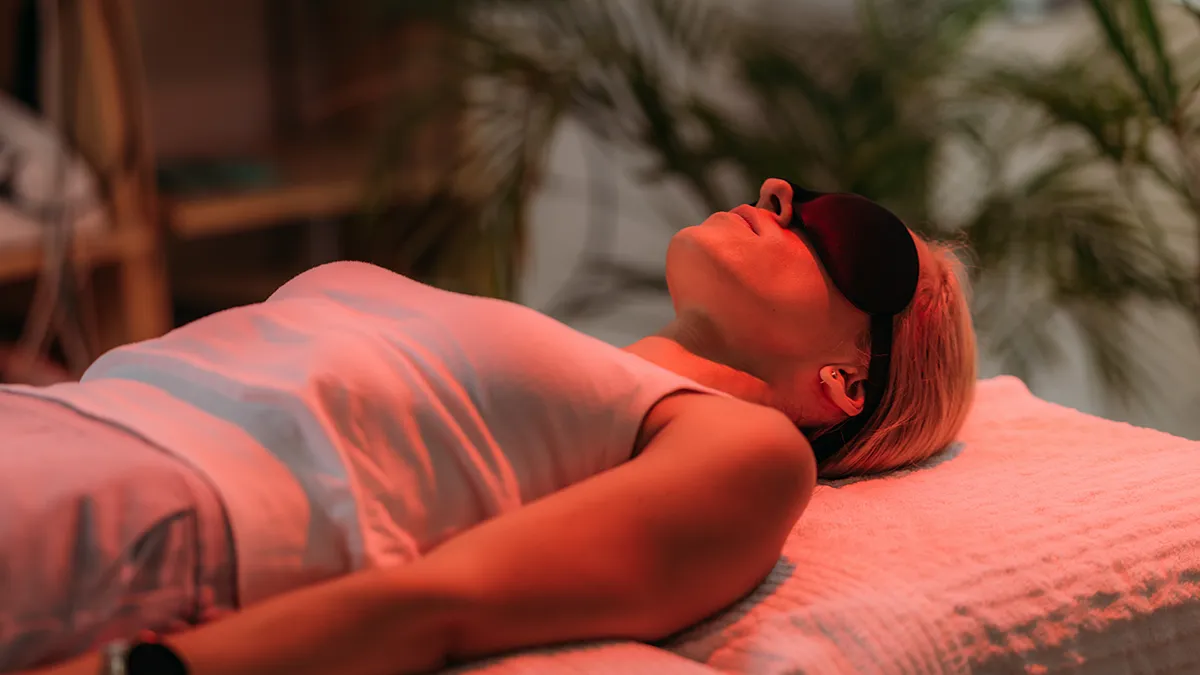
Pigmentation, Wrinkles, or Rosacea?
Pigmentation
Hyperpigmentation, dark spots, and dirty-looking blotches that make you look like you’re not taking care of your skin disturb the unified, clean, soft, and feminine look we’d like to achieve with our new beauty-tech toys. Women don't care about gadgets for the sake of novelty but for efficacy. But there is a problem with the pigmentation issue. We sort of like our answers as simple yes-no dualities, but there's mostly a context, painting stuff in all shades of gray. Will a red light mask stimulate melanin, resulting in visible pigment distortion and spots? No. Red light therapy does not heat the skin or stimulate melanin production. It is safe for most people, but individuals with darker skin tones should consult a dermatologist, especially if combining red light therapy with other treatments, as darker skin is more prone to melasma. One size does not fit all. Bottom line, red light for hyperpigmentation is very safe, will not leave you with dark spots, and may even help with post-inflammatory pigmentation.
We’ve mentioned light sensitivity above, but we’d like to single out these populations again because it is important to remember. Individuals taking photosensitizing medication (like some antibiotics, retinoids, or chemotherapy drugs) may have a problem with hyperpigmentation, not due to the innate qualities of the red light therapy, but the combination with medication side effects. Whenever you have doubts, call our GP or dermatologist. Red light might seem non-invasive, and it is, but it's also a deep therapy that acts on a cellular level.
Wrinkles
No. Red and NIR light therapy fight signs of aging, such as lines, wrinkles, sagging, and excess dryness, and don’t cause these or make them worse. If you’re seeing an increase or deepening of facial wrinkles, you most likely have a problem related to:
- Dehydration - where skin gets dry and brittle (as in a hangover, which is pretty much mega dehydration), and all of your lines and wrinkles just get more visible due to lack of suppleness and elasticity issues.
- Using irritating actives in your red light therapy routine. Red light alone is here to help, but if you’re using harsh or dehydrating topicals, you may also overdry or irritate the skin, effectively annulling the red light benefits. Use gentle, hydrating, and calming skincare with red light therapy.
- Overuse of LED therapy, where you extend the time you wear it to the point of irritation and redness, especially on sensitive skin with a damaged barrier, can make your lines and wrinkles look more pronounced.
Rosacea
Yes, it is a good idea to try red light therapy to calm the extremely sensitive, reactive rosacea skin. Many users have noticed that regular use of at-home red light therapy (at a level recommended by the manufacturer or lower) can result in calmer skin and visibly reduced flushing.
With rosacea, we’d only note that you start low and slow, don’t go to full power and full duration of recommended use the first time, as your face is more unpredictable. You know how moody your skin can be. Be gentle, and if you’re going to be using a topical, a calming one will make all the difference. But, if you're a rosacea girl, you've already cleaned your skincare drawer of all harsh products.
Pregnancy
I’m proud we live in a society that treats its pregnant women as something valuable (not in a perverted Gilead way). Is red light therapy safe during pregnancy? Well, there are no conclusive studies proving it is harmful, but also none proving it’s 100% safe. Why? Because we’re not very willing to expose a pregnant woman to anything with even remote potential for harm.
We do know that, before conception, red light therapy can benefit reproductive health, but once a woman falls pregnant, most brands recommend avoiding use. Dermatologists and OB-GYNs agree that maybe you should just stick to a basic, gentle, clean routine. This is not only due to the lack of evidence, but also because the skin of pregnant women can be reactive and quite inconsistent due to massive hormone fluctuation.
Cancer
Red light therapy is not just pretty lights and an autosuggestion gimmick; it goes deep into tissues and influences cellular processes by amplifying energy production. This is why those with active cancer, especially cancer of the brain, skin cancer (melanoma), and hormone-sensitive cancers, should talk to oncologists before use of red light therapy, be it on an affected area or any other (as there may be systemic effects regardless of where you use the therapy, and we don’t want to help cancer grow).
Other situations requiring extra caution with red light therapy include epilepsy (seizures may be activated by bright lights), photosensitivity, or autoimmune conditions you’re actively treating (as your body still perceives its own tissues and processes as an enemy). Wait until you're in remission, then consult your doctor. If you're fighting a serious illness, we don't think those angry 11's in between your brows are your priority right now.
Conclusion
Yes, we’re quite aware that the dark side( has cookies and) is very tempting - just snip, nip, and tuck, and you’ll look younger instantly. The light side has no blood, bandages, or flesh-slashing scalpels sharp enough to cut away your self-consciousness, but it will take some effort to get the full result with a non-invasive method. Their results hinge on consistency, and a gentle technology. Red light therapy works with your own body. The body needs time to replace what is old and deteriorating with new, fresh structure, and it has its own timeline. If you provide the energy and building blocks and get out of the body’s way, you’ll eventually get new skin, a new face.
Non-invasive red-light mask methods will not be instant solutions to problems that have been compounding for years. They will take minutes a day and will quietly encourage your cells to remember how to behave like their younger, more energetic selves, for all intents and purposes, turning back time (Cher would be proud of us).
So, bottom line, are red light masks safe? With the right device, proper use, and a bit of common sense, red light therapy is one of the safest and smartest investments you can make in your long-term skin health and overall aesthetic fixes. Can you use a red light mask every day without risk of overexposure? Most at-home masks, yes. We’d strongly encourage you to read all the claims and clinicals, and if they hold up, hit that “Add to Cart” button on the FDA-approved LED mask or red light panel you’ve been eyeing for so long in the wee hours as the city sleeps. If you've got science coming out of your ears now, we encourage you to see what people with real-life experience say about red light therapy on Reddit. Stay cool, curious, and beautiful, and enjoy living in your skin.




Leave a comment