20 min read
Does Red Light Therapy Work for Acne?

Dripping off everybody’s ruby lips, red light therapy is everywhere, and it seems it can do anything from turning back time on your face, healing joints and cuts, growing crops in space, helping with fertility, and regrowing hair, but does red light therapy help with acne, or are we pushing it? We’re not. Red light can help with mild to moderate acne, particularly by calming raging inflammation processes and regenerating the affected tissues, using the same cellular mechanisms that effectively repair mitochondrial function and therefore rejuvenate cells, be it skin, hair follicles, or reproductive cells.
Still, remember that red light therapy is not a replacement for conventional acne therapies, especially in severe cases of acne that need professional intervention. Instead, it is a complementary, non-invasive healing practice you can use in clinical settings and aesthetician offices, or at home with devices such as red light masks, panels, or wands. So yes, red light therapy for acne is a proven treatment that can help with inflammation and scarring, regenerate the affected area, and make you significantly better off when used alongside your prescribed medication or skincare. Damage is damage, and red light therapy doesn't distinguish between an inflammatory process caused by acne and one caused by a cut; regenerative cellular processes will do their job.
Now, is red light better than blue light therapy for acne? Preachers of perfect skin pray to the good of blue light, but there is no “better” here. Blue and red light just work differently – blue light on surface damage and acne bacteria, red light goes deeper into skin to heal the damage. So no, neither is “better”. They’re different, and ideally, you’d use a combination of both to heal and clear up your skin, in addition to following your derm’s advice, of course. We’ll go deeper into the blue vs. red light therapy dilemma for acne, but we'll also cover what the research says about whether light therapy for acne works, how much you can fade scarring, recommended treatment times, and at-home light therapy device recommendations worth checking out if you’re interested in non-invasive healing.
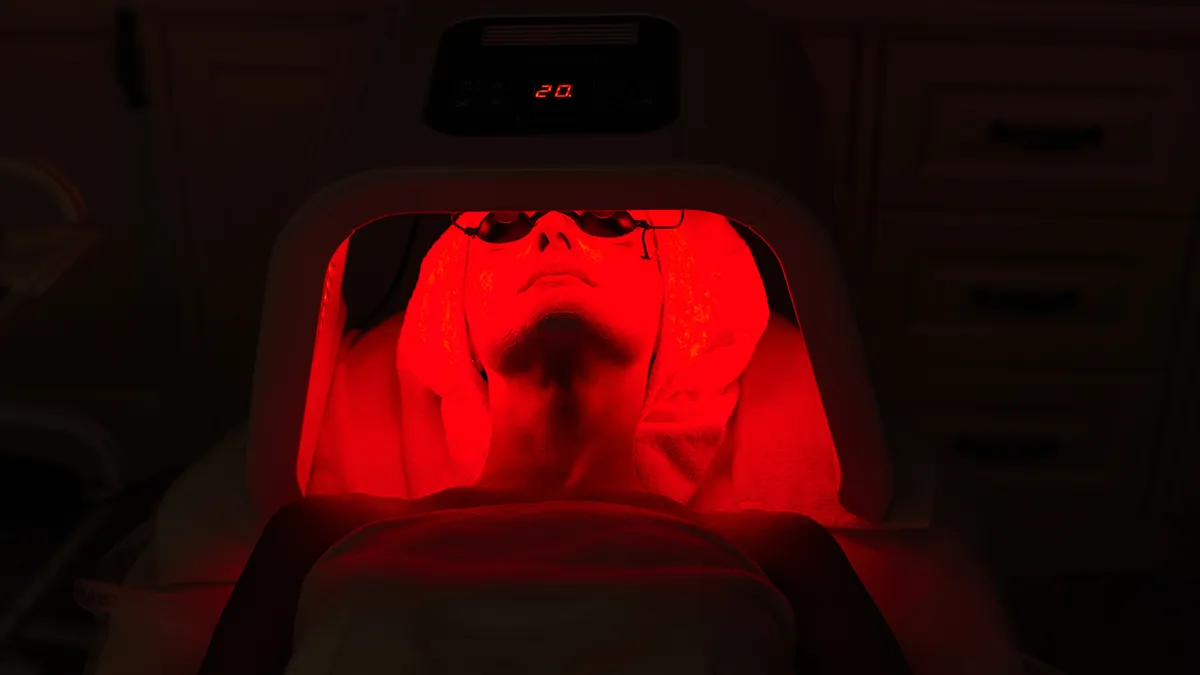
So grab something to sip on and wash your hands of the keyboard or phone screen, since you’ll inevitably be touching your face in deep thought. Let’s go.
Does Red Light Help With Acne?
Well, there’s no mystery anymore, but you came here for answers, not teasing. Yes, red light may help with acne, particularly when it comes to inflammation and supporting the skin's healing response. Inflammation is a part of that; we don’t want a body that cannot generate an appropriate inflammatory response; that’s called immunocompromised. This is relevant to acne because acne is an inflammatory skin condition, with immune and inflammatory pathways playing an important role in the development (and stubborn residence) of acne lesions.
But let’s be smart about this and not make things up just to fit our wishful thinking. Delulu is not the solulu, and more heads in the sand does not make the doubts go away; you just get sand in your ear (and then have difficulty hearing the truth).
We’re going to throw an eyeball at research on red light for acne vulgaris and related inflammation and scarring. Yes, it is promising, but still mixed. Yet, red light therapy has been here for a while now and was extensively studied for various medical, wellbeing, and aesthetic purposes. Today we know that red light therapy works and how it works. Some of these mechanisms translate to breakout-related issues and make light therapy an effective, gentle choice for acne, because acne can easily worsen and spread with mechanical manipulation due to inflammation, so a non-invasive method is a good option.
Sometimes we need to generalize and group things to avoid going mad from the complexity of our environment, daily life, chores, and social interactions, but generalizing too much can get us into trouble by flattening nuance that is a large part of life. It’s a balancing act. In this case, success with red light for acne does not mean it is an ultimate "cure", nor that it will work equally well for everyone. Acne varies in type and severity, our skin types are different, environmental factors in the places we live differ, and studies that prove or wobble the usefulness of laser and light treatment for acne use different wavelengths, devices, treatment schedules, and outcome measures.
So we get into situations where a randomized split-face trial, for example, found improvements in inflammatory and non-inflammatory lesions after eight weeks of red-light treatment, while the larger meta-analyses and systematic reviews found the overall evidence insufficient to claim that red light was superior to conventional acne treatments.
We also need to make a distinction between active acne and acne scars, and between a fresh scar and an old textured one. Research shows that red light can help with inflammation or redness directly following acne, but established acne scars may not respond as well as fresh hyperpigmentation. If you have a lot of texture and damage, you may need something more invasive to smooth the skin, like microneedling or a chemical peel, but please don’t do invasive procedures during an active flare-up.
The bottom line: red light therapy for acne is a promising, non-invasive option that may complement an established acne routine and help with redness and scarring prevention, but current evidence does not support using it as a replacement for proven acne treatments.
How Does Red Light Therapy Work for Acne?
Red light, and all other effective light therapy wavelengths, are a process that’s fancily called photobiomodulation (changing living cells and tissues by the power of photons – photo-bio-modulation). Light isn't just a passive thing, or a tool that helps us avoid tripping over a carpet edge or stepping on a Lego after sundown. It is energy, real energy.
Light is radiation, and our sun is a giant nuclear furnace that blasts all sorts of radiation into space, and some of it hits our planet, skin, and retinas. The entire electromagnetic spectrum consists of many types of radiation. The visible light that allows us to see is only a small sliver. The electromagnetic spectrum consists of radio waves, microwaves, infrared (invisible), visible light represented in a rainbow (all of the wavelengths are there), UV light (ionizing and mutagenic to cellular structures and DNA; that’s why we use sunscreen), X-rays, and gamma rays.
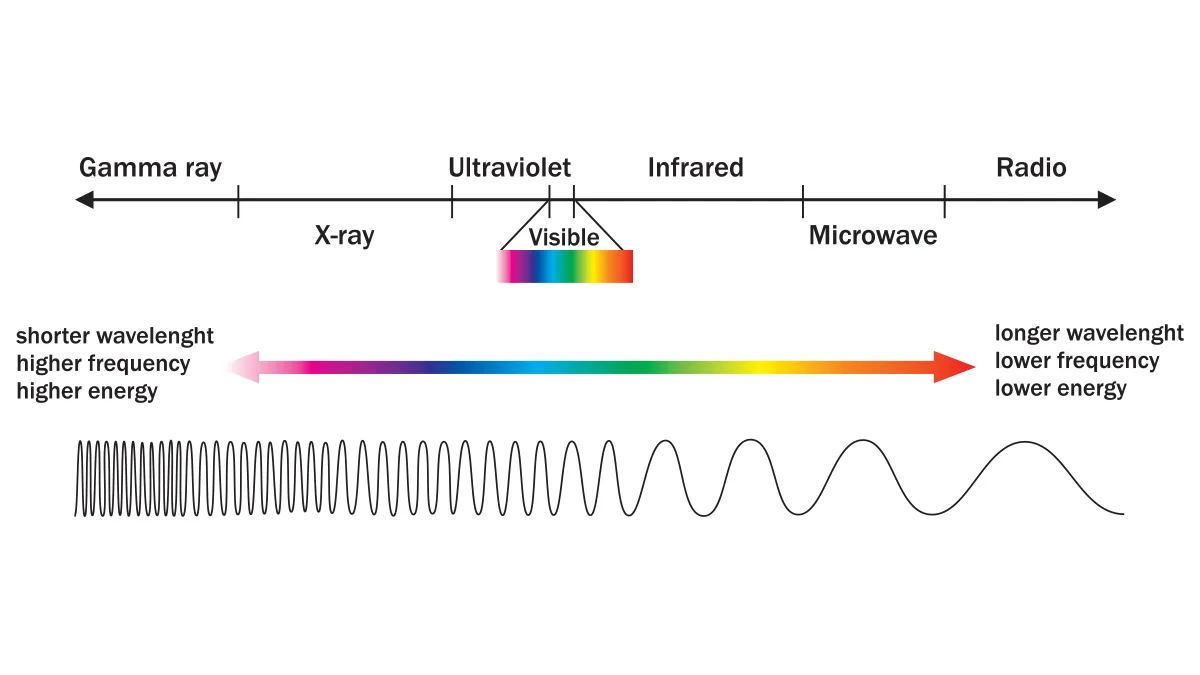
We measure radiation by nanometers (nm), which in the visible-light slice of the spectrum translates into different colors. Red light is nestled at the edge of visible light, and red light therapy includes a transition into the invisible near-infrared (NIR) spectrum, encompassing wavelengths from 600-1100 nm. NIR and IR wavelengths penetrate deeper into tissues than red light alone, and their therapeutic wavelengths are used for deeper tissue healing like advanced signs of aging, post-op wound recovery, or joint inflammation.
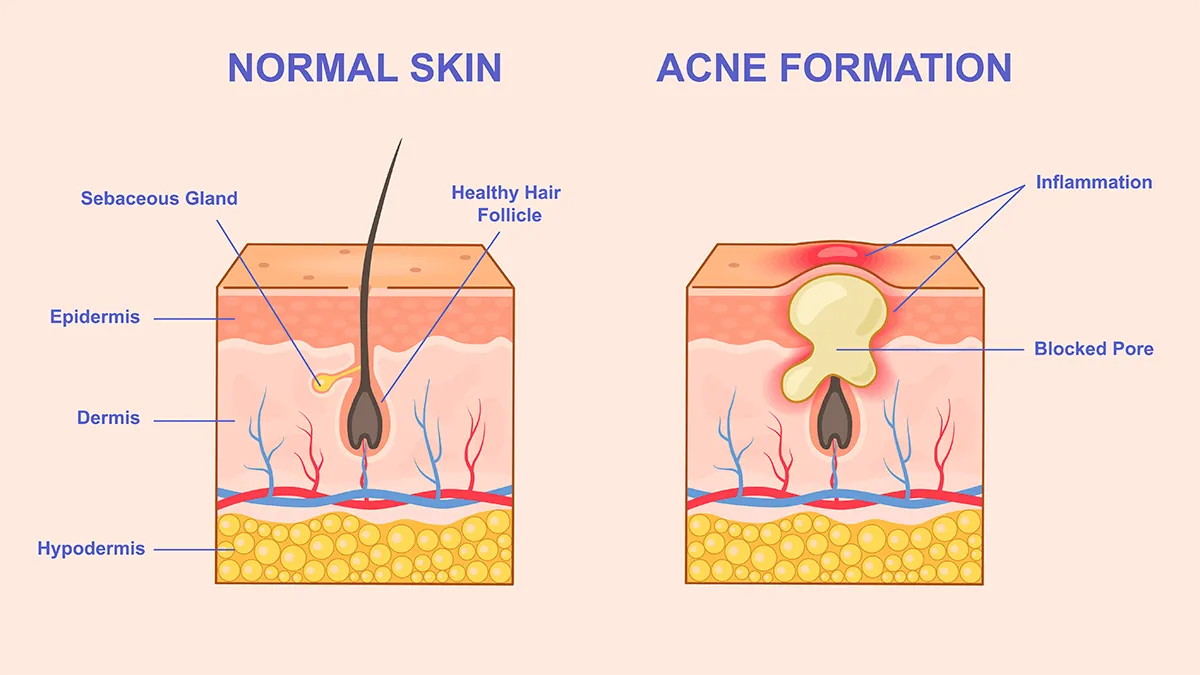
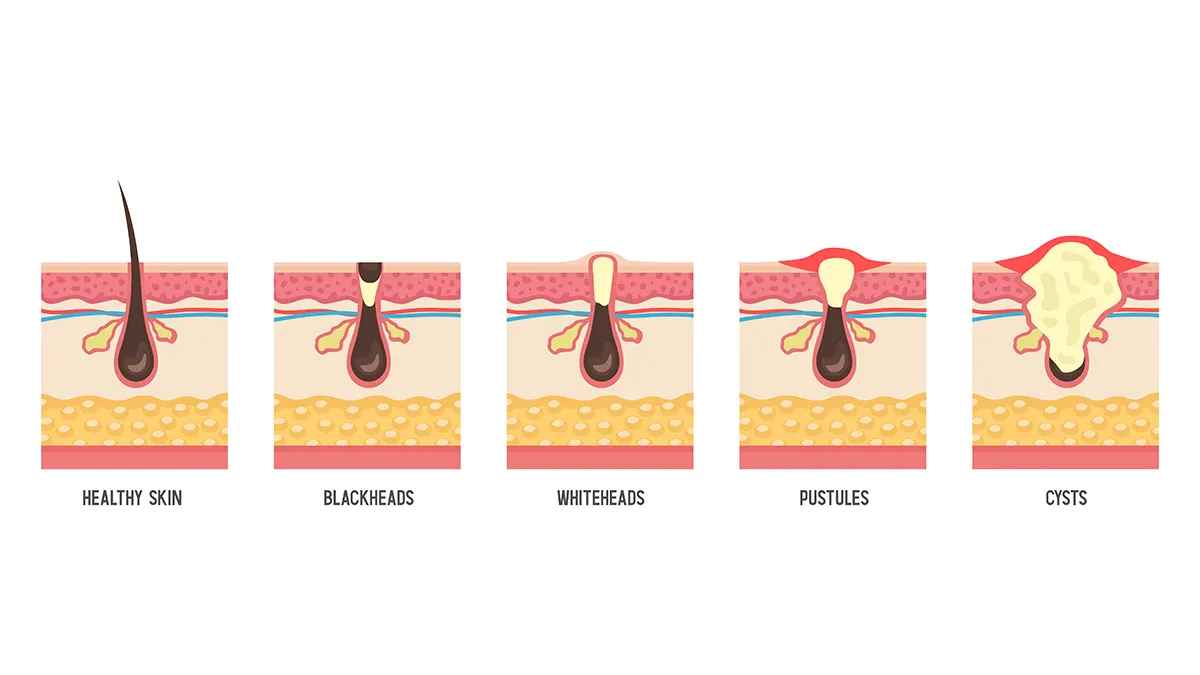
Red wavelengths penetrate the skin and may influence cellular processes involved in inflammation and healing. Acne is fundamentally a chronic inflammatory disease that affects hair follicles and oil glands. Sure, you may get a clogged pore that traps oil, but it doesn't need to become inflamed. It can simply result in a non-inflammatory blackhead or whitehead. But if your body riles up an inflammatory response to this clog and the Cutibacterium acnes that start to multiply in the clogged space, you get painful, red, and swollen papules, pustules, nodules, and cysts.
Red light therapy triggers repair and douses the inflammation exactly by raising the functionality of the mitochondria, which then produce more ATP energy, and more energy means that cells are not merely trying to survive this inflammation, but are using the extra energy to actively repair more efficiently, resolve the inflammatory process, and start tissue regeneration.
You can't save if you have no extra money; you can't repair if you have no extra energy beyond what's needed for basic functioning. Vasodilation and extra blood flow bring fresh oxygen and nutrient-rich blood to the area, delivering energy-building blocks and removing metabolic byproducts of inflammation. So red light therapy for acne works by targeting energy availability and metabolism rather than a single symptom.
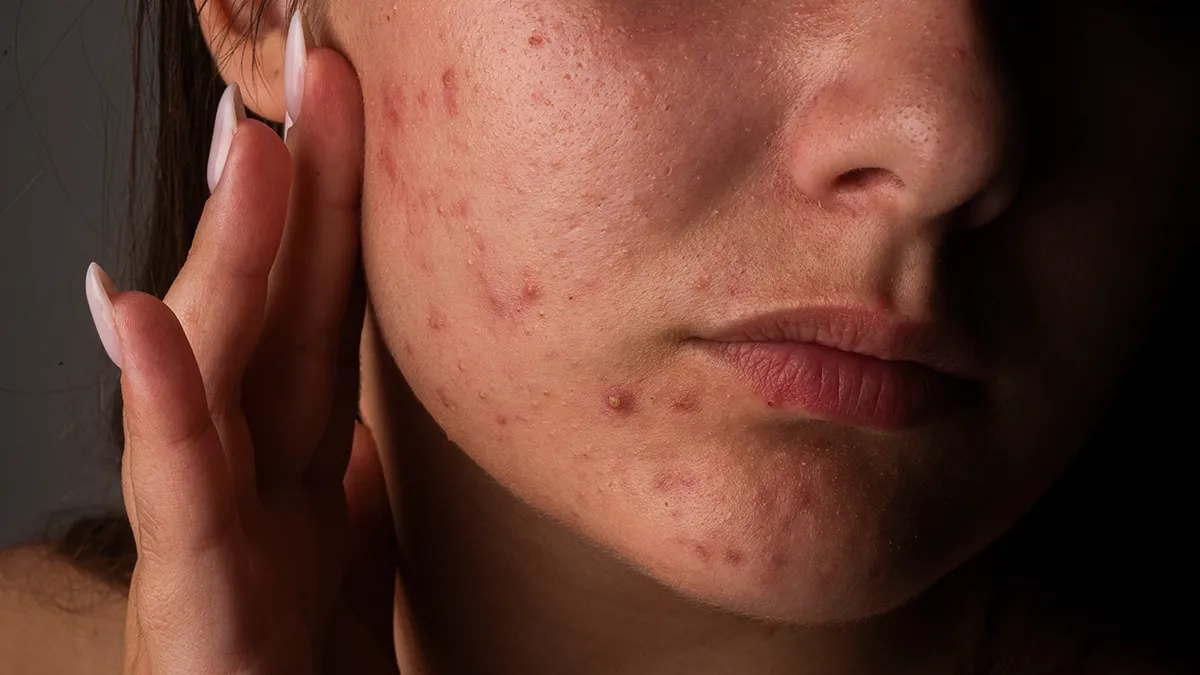
Do all light therapy wavelengths have the same effect? No. There is an important distinction in the acne treatment universe between, for example, red light vs blue light for acne, where red primarily affects inflammation and speeds up healing, while blue more directly targets the C. acnes bacteria that trigger the immune response, but we’ll get more into that in the following chapter, because it is important to understand.
Red Light vs. Blue Light Therapy for Acne
What is blue light acne treatment?
Blue light can work for acne because the wavelength energy gets absorbed by porphyrins produced by the acne-causing bacteria. This triggers a photochemical reaction that creates reactive oxygen species (basically free radicals) that damage the harmful bacteria. Research suggests that wavelengths around 405–470 nm are ideal for this antimicrobial effect.
Although red light penetrates deeper into the skin and may influence inflammatory pathways and support tissue repair, it is not effective against bacteria, so the two wavelengths are not interchangeable; rather, they are complementary.
Can you use blue and red light therapy together?
Yes, you can, and are encouraged to do so for better results. Combining red light and blue light is an interesting approach. One clinical study using alternating 415-nm blue and 633-nm red LED light in people with mild-to-moderate acne reported improvements in both inflammatory and non-inflammatory lesions after four weeks of treatment. However, the broader evidence, such as this systematic review and meta-analysis of 14 trials, remains mixed, and systematic reviews have noted that many studies are small.

The short story is that blue light acne treatment targets the bacteria directly, while red cleans up the mess C. acnes has already made and focuses on inflammation and healing.
This is why using both therapeutic wavelengths makes sense if you want to hit your flare-up from multiple angles, and maybe even pair it with topicals that chemically exfoliate without overdrying.
Product Suggestions
FAQ™ 201 Silicone LED Face Mask
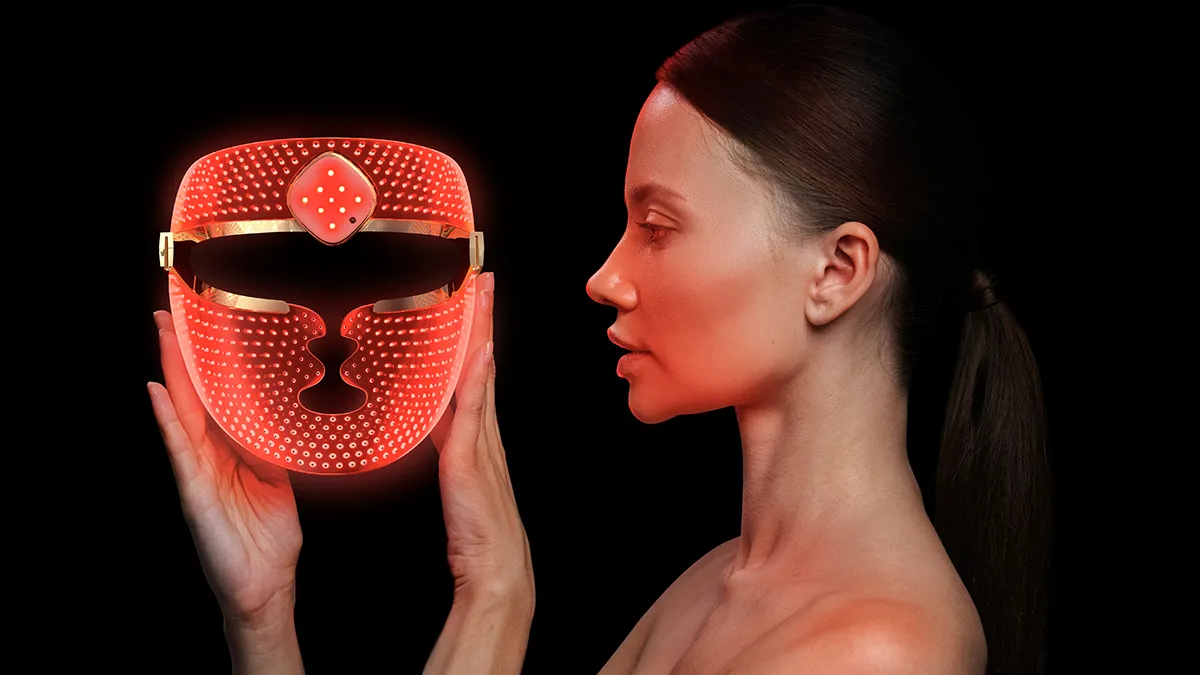
This distinction is also relevant if you’re on the market for an at-home red light device. A mask that combines blue and red light therapy, such as the famous FAQ™ 201 (the basic model of a more advanced full-spectrum FAQ™ 202 or 202 plus, which you don’t need if you are not concerned with anti-aging technology yet), is designed to provide both wavelengths rather than just relying on red light alone. That makes it a particularly good option for someone looking for a blue light mask for acne while also wanting the potential anti-inflammatory benefits associated with red light.
FAQ ™ 201 features green, blue, and red LED light therapy. It is ideal for those who’d like to be completely passive, and even holding an acne treatment device is a hard nope (no judgment here, sister).
If you also don’t want to be grounded for the duration of the treatment, the mask is wireless and has an open eye-and-mouth design, so you can go about your business if life doesn't permit you to lounge on the couch. Usually the ones that are wireless are also rigid, more like a hard or somewhat mildly flexible carnival mask of a Stormtrooper, but FAQ™ 201 (and the entire 200 line) is made of something called flexi-fit silicone. It is translucent, ridiculously lightweight, and will lie perfectly on your face, feeling like a second skin.
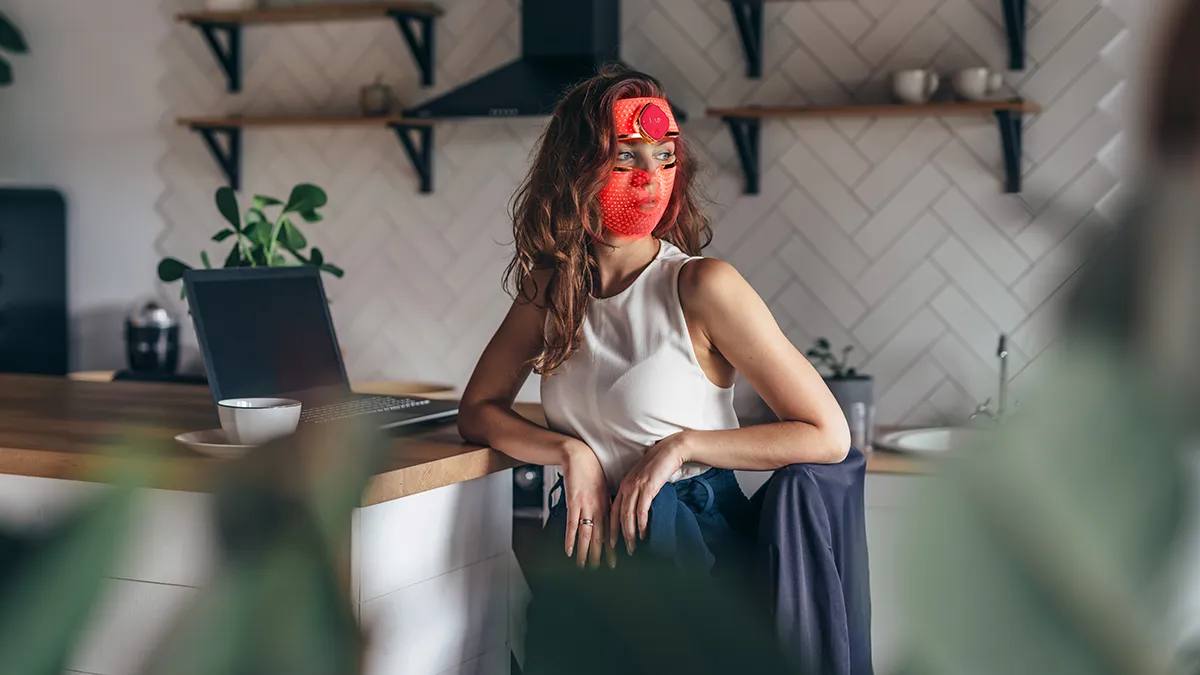
600 light points that pulse 1000 times per second, light as air, with an inbuilt shield of eye safety and a non-slip headband, and 90 minutes of use per charge. If you're looking for a perfect LED mask, are happy with RGB wavelengths, and totally into getting things done rather than doing things, this is a huge recommendation.
FAQ™ 202 Anti-aging Silicone LED Mask
This one was designed to be focused on deep rejuvenation and for those who feel posh saying “near-infrared”.
It all makes sense when you look at the collection as a whole. The 02 of the 200 collection is a full-spectrum LED face mask that was upgraded into NIR (near-infrared) + 7 wavelengths. Human eyes can't see pure infrared (like some frogs, salmon, and vipers can), but NIR is a wavelength we can still see, and it goes deeper into the skin than red light therapy. The 202 is more advanced, with 3000 LED pulses per second as compared to 1000 in the 201. All other design features are pretty much the same, so if you’d like a blue light mask for acne that will double as anti-aging, maybe this one is a better choice.
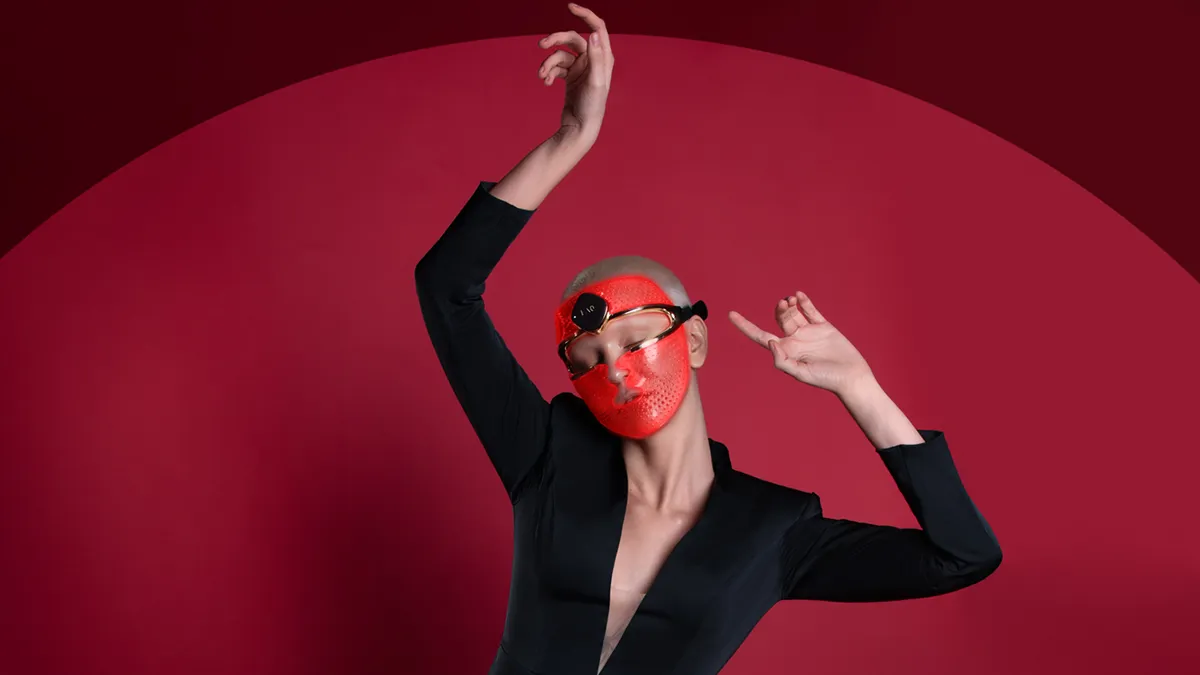
FAQ™ 202 plus LED face mask
Ideal for those who believe that if little is good, more must be better. Not always true, but this time it is, with more light points and stronger lights, including the red and blue light therapies for acne you’re interested in.
FAQ™ 202 plus has 50% stronger light and more LED points, including 9 LEDs in the forehead diamond to iron out those very stubborn deep frown lines, bringing the total to 634 LED light points. But if you don’t need to iron out some serious angry 11s and are looking only for light therapy for acne right now, you’ll be perfectly fine with the 201.
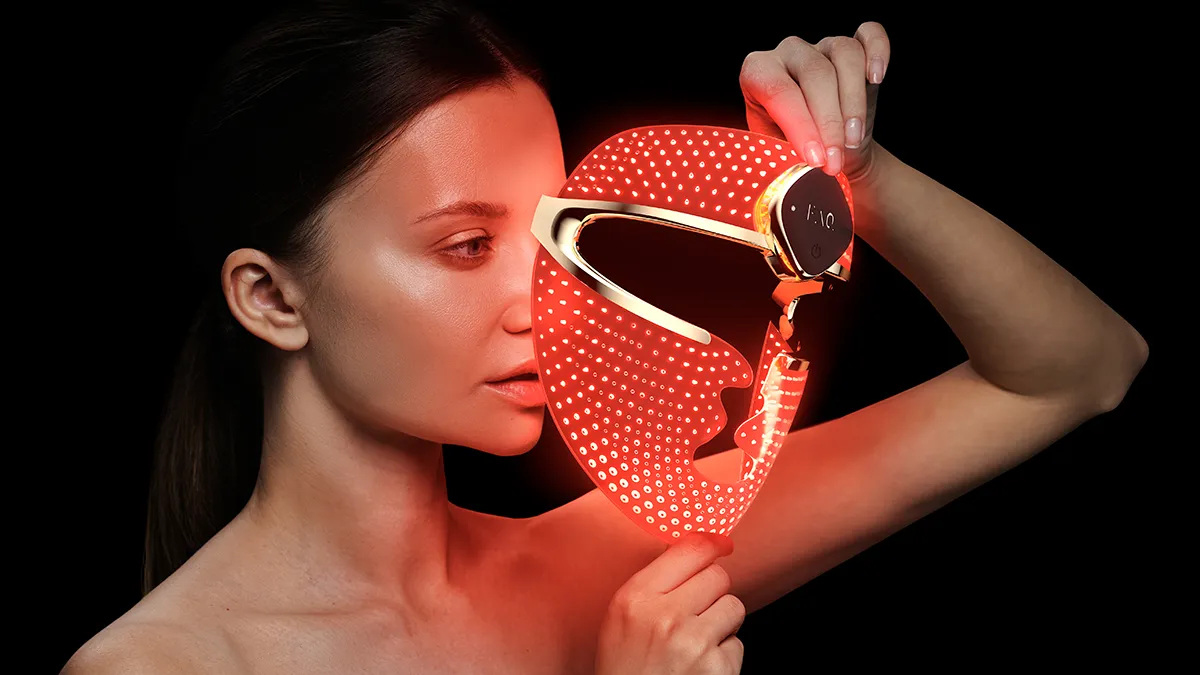
Honorary mention: ESPADA™ 2 line
Honorary, only because it is off topic, since it uses no red light therapy for acne, only the blue light, but is designed specifically to treat breakouts and acne, so deserves a mention for the blue purists.
Some people still trust blue light alone, traditionally used more often for its antibacterial effects, which can help with acne flare-ups. Some blue light treatments are also available on the market, and you’d ideally choose something targeted like ESPADA™ 2 or ESPADA™ 2 plus, which focuses only on the affected area. The ESPADA™ 2 line also pairs with a perfect topical complement - ESPADA™ BHA+PHA Blemish Solution - adapted to acne-prone skin and designed to work with the blue light for better results. If you only want to tackle active acne and have a few spots you can target separately, or a single area where they appear, this line is worth investigating.

Can Red Light Therapy Replace Other Acne Treatments?
Usually, no. You can use it alone for mild lesions, but red light therapy is best as an addition to proven medical treatments for moderate-to-severe or persistent acne, which may require a dermatologist to identify the underlying cause of this ongoing inflammatory cycle.
The American Academy of Dermatology has a couple of effective methods to deal with moderate to severe acne, which should be the primary cause of action, such as:
- Topical retinoids (ex. adapalene or tretinoin) to prevent clogged pores
- Benzoyl peroxide reduces acne-causing bacteria and inflammation
- Topical antibiotics like clindamycin, usually combined with benzoyl peroxide
- Salicylic acid exfoliates inside pores and can also be useful for blackheads and whiteheads
- Azelaic acid helps with acne and dark scarring after breakouts.
- Oral antibiotics such as doxycycline are used for a limited period and alongside topical treatment
- Hormonal treatments for women with hormonally triggered acne - combined oral contraceptives or spironolactone
- Isotretinoin, an oral retinoid reserved for severe, persistent, scarring, or treatment-resistant acne
- Corticosteroid injections for a large, painful acne cyst to reduce inflammation
- Procedures like chemical peels, comedone extraction in combination with laser/light procedures
But is red light for acne the same as a laser treatment you’d get in a dermatologist’s office? Nope.
Red light vs. laser treatment for acne
Although they both operate on the same basic principle of light energy interacting with living cells and tissues, red LED light and laser are different treatments.
Laser treatment for acne uses much higher energy. Rather than a dispersed light source, such as an LED bulb, laser is a concentrated beam of light where the wavelength’s crests and troughs overlap (they are in phase) and allow a dermatologist to concentrate a lot of energy onto a targeted problematic spot, while red LED light will treat a larger surface with less intensity.
Red, IR, or NIR LED light, a lower-energy form of photobiomodulation, is primarily studied for its effects on inflammation and skin healing, and when combined with blue LED, it can hit acne-associated bacteria, addressing different aspects of acne at the same time. Still, LED therapy for acne should not be presented as equivalent to a laser treatment for acne.
If you have more than an occasional breakout here and there, especially if you fall under the severe umbrella, a dermatologist should take a look. They will decide which laser treatment for acne, LED therapy, medication, or a combination of treatments is most appropriate based on your skin type, goals, and type and severity of acne.
What About the Scarring?
We’ve concluded that red light therapy for acne is a legitimate approach for some elements of this skin concern and that it has its place in complementing more traditional solutions for breakouts and acne, especially in moderate to severe cases. But what about the aftermath? Each inflamed spot, once it finally heals, leaves a stamp, declaring its presence in the form of a dark blotch, the post-inflammatory pigmentation, an even bigger problem in darker skin tones.
Red light has earned its place in skincare and medicine due to regenerative and skin-healing capabilities, just the ones we were looking for to improve the appearance of some post-acne changes like that tell-tale blotch.
Real or quasi scars?
Redness/discoloration left after acne is not necessarily true scars. Discoloration may be just a temporary change in color that will fade on its own in time, while a true scar will be a site where the very structure and texture of skin is changed. Here are the differences you need to be aware of if you intend on using red light therapy for acne scarring.
Not real scars
- Post-inflammatory erythema (PIE). Red/pink marks because inflammation from the acne affects small blood vessels in the skin.
- Post-inflammatory hyperpigmentation (PIH). Brown or darker marks caused when inflammation triggers increased melanin production.
- If it is not a real scar, the skin surface remains smooth. Take your (clean) finger over the area. If you don't feel a depression or raised area, it’s not a scar and will most likely fade on its own in months.
True scars
True scars occur when acne causes enough damage to the collagen and skin structurally to change the texture. So if you ran your finger over this spot, you’d feel a bump, roughness, depression…
These scars can be:
- Atrophic scars - indentations or depressions in the skin. These include icepick, boxcar, and rolling scars.
- Hypertrophic or keloid scars - the body overcompensated the healing process with extra collagen and we end up with a raised patch.
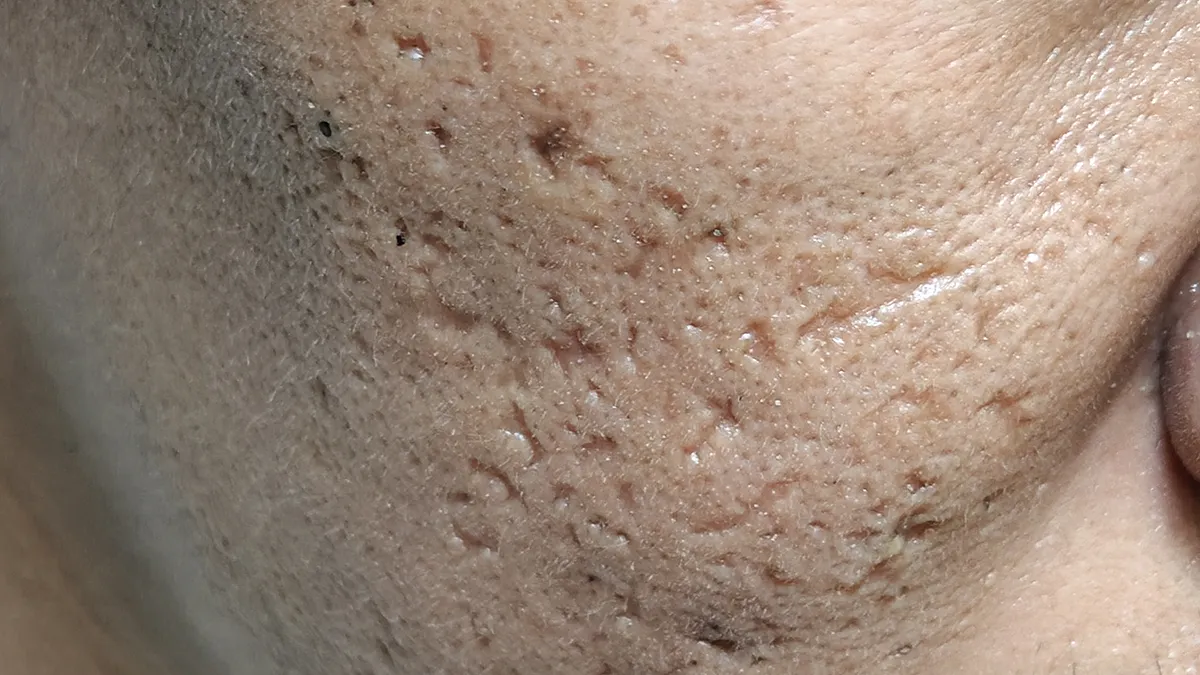
Red light therapy helps acne scars is an overgeneralized statement that needs a few grains of salt thrown at it. Red light may affect inflammation and skin healing and can help fade post-inflammatory erythema and hyperpigmentation, post-acne redness, or support the healing process. Still, that doesn’t mean it is as good with indented or raised acne scars. The issues resulting from structural and collagen changes, the true scars, will need more invasive and intense techniques to fully remove, like microneedling, laser resurfacing, chemical reconstruction techniques, subcision, fillers, or other procedures depending on the type of scar, and our friend blue LED will basically have nothing to contribute to this healing part of the journey.
How Long Does It Take for Red Light to Heal Acne?
You’ve heard the one where you need to wait in order to see those freaking good things coming down the road (Yeah, I know, I hate it too, and am a product of my era of instant gratification). Well, following this wisdom, red light therapy for acne is not an instant solution. You won’t see radical differences after a single application, but results can vary from a few sessions to several weeks or months depending on the quality and irradiation power of your device, treatment time and frequency (more is not necessarily better, btw, and there is a chance of red light therapy overuse and adverse effects), acne or scarring type, and individual skin type. In skincare, and life alike, one size does not fit all. Never has, never will.
So we can’t give you a direct universal timeline. That would be quite irresponsible. What we can say with 100% certainty is that consistency matters most, because results are cumulative and work with your natural cellular rhythm and turnover rate. Light is something we evolved with, and it works with our biology rather than forcing its own agenda, so one or two sessions won't necessarily produce visible results. Skin needs time to utilize this new energy in a living tissue and funnel it into regeneration and healing.
So our best advice here is to follow your device manufacturer's recommended schedule to a T. They’ve tested their device extensively and have found the sweet spot that works best for most users. Ideally, focus only on brands that have third-party tested their devices to get an objective view of efficacy.
For example, the FAQ™ 200 line of devices recommends use for 5-15 mins, 3-5 times per week, to reduce sebum by 18% and acne by 48% in 2 weeks, based on 3rd-party clinical testing with 30 female subjects, aged 20-45, over 28 days.
Our honorary mention, which sports only blue LED therapy for acne, ESPADA™ 2 is a targeted on-spot treatment, treating an isolated area with intense blue light by holding the device on each spot for 30 seconds, and repeating up to 4 times per spot, depending on severity, before moving to the next one. After a 28-day consumer test, 4 out of 5 users reported fewer breakouts.
Keep in mind that user experiences and reviews concerning any at-home device will not represent everyone’s experience. Some may see more results than others, some will see them faster, some will struggle for weeks and then rapidly improve. But in general, the community agrees that red light therapy for acne will result in fewer inflammatory lesions, less visible redness, and better overall skin appearance. It may not be as fast or dramatic as a chemical peel or microneedling, but you’re also not burning off the top skin layer or puncturing infinite wounds in it. So, if you choose this natural, non-invasive route, we suggest consistency, patience, and some input from a derm if you’re struggling with a severe case.
How to Use a Red and Blue Light Mask for Acne
There is really nothing to it. It’s a regular face mask that you intend to use at specific therapeutic values to achieve your goal of clearer skin. Regardless of which mask or device you choose, don’t go rogue on the instructions. Just as an example, we’ll use our recommended product, a FAQ™ 201 red, green, and blue mask for acne, also focused on anti-aging.
To use the FAQ™ 200 line Silicone LED Masks (the entry-level FAQ™ 201, the 202, and the advanced FAQ™ 202 plus), you must first unlock them. You can do this automatically by registering your device via the FAQ™ Swiss app for the first time.
STEP 1
Start with a clean and dry face (you can apply FAQ™ Red Light Peptide Serum, if desired, or put on your FAQ™ Glass Skin Collagen Face Mask). Then place your LED face mask over your face and secure it in place with the headband.
STEP 2
Press the universal button to turn on your mask. You can change the LED colors by quickly pressing the button again. You can access more settings and pre-programmed treatments via the FAQ™ Swiss app.
STEP 3
Enjoy your wireless LED facial treatment for up to 15 mins while you continue with your day. Once finished, press the universal button for 3 seconds to turn off your mask.
Is Red Light Therapy Safe?
Red light therapy in general, and especially at-home devices, which have lower energy output, are generally well tolerated and show none to very few mild side effects.
Studies of at-home LED devices for acne have reported occasional mild dryness, redness, irritation, discomfort, or pain, while serious adverse reactions seem uncommon. 2025 JAMA Dermatology systematic review and meta-analysis looked specifically at at-home LED devices for acne and found no severe adverse reactions, while documenting the mentioned mild side effects. Basically, if you use the red light therapy device the way it is supposed to be used, you have nothing to worry about.
However, higher doses of red LED light, such as those studied in the Safety of light emitting diode-red light on human skin - two randomized controlled trials, have been associated with stronger reactions, including prolonged redness, hyperpigmentation, and, in some cases, blistering. These side effects most often arise due to our innate idea that if little is good, more must be better, so we overexpose ourselves. It’s a human thing, and the dose-response is something we need to learn to accept, rather than it coming naturally. Even cures in larger doses are poisons; you can inhale too much oxygen or drink dangerous amounts of water. Most things in this life are dose-dependent, and so is red light therapy for acne, or any other purpose.
General safety and information on populations who should be careful with red light therapy: feel free to explore here: Who Should Not Use Red Light Therapy? Risks & Safety 101
FAQ (Light)ning Round
Does red light help with acne?
Yes, red light can help, especially to reduce acne-related inflammation and support skin healing.
Does red light get rid of acne?
No, red light doesn’t reliably clear acne but may reduce inflammation and some acne lesions, and is often used as a complementary treatment to other proven dermatological methods.
Will red light therapy help acne scars?
Red light may improve post-acne redness but generally does not treat structural acne scars that are raised or depressed. You’ll need a resurfacing treatment for that.
What light is best for acne scarring?
There is no single best light for acne scars because treatment depends on whether the scarring involves redness, pigmentation, or structural changes.
How long does it take for red light to heal acne?
Results typically take several weeks of consistent use rather than just a few treatments. Be patient. It sucks, but that’s the way the cookie crumbles.
Does red light help acne scars before and after?
Before-and-after photos may show improvement, but factors like lighting, skincare, and other treatments can affect the results.
Can you use blue and red light therapy together?
Yes, blue light may target acne-causing bacteria while red light may help reduce inflammation and support healing, so using them together is an excellent idea.
What light therapy color is best for acne?
Blue light is particularly useful for active acne, while red light may provide complementary anti-inflammatory benefits.
Conclusion
For all you pragmatic bottom liners, uninterested in the whole thread of reasoning and proof and the who, what, where, here’s the gist of it. So, is red light therapy worth trying for acne? It is a promising complementary therapy to existing acne therapies, but shouldn't be marketed as a complete cure, especially if we’re talking about moderate to severe cases. Talk to your dermatologist because underlying issues may be causing your skin to break out.
You can choose to use red light for acne alone to target inflammation and speed up healing and fading of post-inflammatory erythema and hyperpigmentation. Or, you can combine it with blue light therapy, which is more useful for killing acne-causing bacteria on active lesions.
You are free to choose professional light therapy, but this gets expensive real fast. So if you plan to use light therapy for skin healing and acne prevention for the foreseeable future, a red LED panel or a face mask is a perfect low-effort, high-yield choice for at-home treatments. Something light, practical, 3-rd party tested, potent, and of proven efficacy, as our suggested FAQ™ 201 (you don’t need the 202, or 202 plus if you’re not interested in anti-aging).
We hope you’ve learned something new that helps clear things up. Stay curious and cool and enjoy living in your gorgeous skin.




Leave a comment