23 min read
Science Says: What are the Best Anti-Aging Supplements?

From NMN and resveratrol to CoQ10 and green tea extracts, we now understand ever more about how the best anti-aging supplements work to delay the (eventually) inevitable effects of time. Today, we'll explore what anti-aging supplements are and examine scientifically proven ones for skin and aging that may even help soften things like "Ozempic face". We'll review objective facts on their efficacy and benefits to help you make informed decisions when bombarded with beauty and longevity supplements in our digital, youth- and beauty-obsessed world.
Understanding Anti-Aging Supplements
As with all things, we must start where one usually starts—at the beginning, defining the terms to be as clear as possible. So, what are anti-aging supplements? They are products designed to slow down or reverse aging and mitigate the visible biological effects of age-related deterioration by supporting the underlying physiological processes. Anti-aging supplements are, therefore, a way to fight aging from the inside and often complement the traditional topical applications of anti-aging creams, serums, masks, and various mechanical anti-aging treatments that target the skin surface.
The skin is also a full-fledged organ, just as important as the liver or the heart. We just wear it on the outside as a barrier between the body and the environment. Signs of aging we see on the skin can be thought of as those little yellow birdies in the coal mine, as aging on the skin reflects an unseen process that affects the whole body below the skin. Aging, both at the surface (skin) and cellular level (body tissues), is primarily driven by a combination and interplay of factors such as oxidative stress, inflammation, mitochondrial dysfunction, and the natural decline in essential proteins like collagen.
All of these are perfectly natural developments. Oxidative stress produces rogue free radical molecules that are missing an electron and steal them from other stable molecules to balance themselves out. Controlled (not chronic) inflammation is an inbuilt function of the body to resolve pathogens and attacks of foreign invaders and to fix wounds and damage. Mitochondrial dysfunction means cells start to make less energy, get senescent (old), slow down, or stop repairs, and collagen production starts declining in all of us once we hit 30. Accumulation of these processes accelerates cell damage, leading to wrinkles, loss of skin elasticity, and decreased organ function. Those reluctant to undergo harsh invasive treatments often choose kinder methods, such as scientifically proven anti-aging supplements or supplement stacking based on proven nutrient interactions.
So, are anti-aging supplements effective? Yes. They might just take longer to show results as it is not a mechanical or topical intervention, and we need to allow time for cell turnover, letting new cells - now created from better building blocks, supported by collagen and anti-aging supplements - shine. Anti-aging supplements for the skin are effective because they target the key biological processes responsible for aging, neutralizing free radicals in the body, stimulating collagen production, reducing inflammation, and supporting cellular energy. Best supplements for skin and anti-aging vitamins maintain youthful skin, enhance cellular repair, and slow the appearance of signs of aging. When chosen based on scientific evidence, these beauty and longevity supplements can be a powerful tool in promoting long-term health and vitality, making them valuable to a holistic anti-aging regimen.
Scientific Insights on Anti-Aging Supplements
Research shows promising results regarding specific supplements. Studies published by reputable sources like the National Center for Biotechnology Information (NCBI) highlight the efficacy of antioxidants such as Coenzyme Q10 (CoQ10), resveratrol, and collagen peptides in reducing wrinkles and supporting skin health. For example, a study demonstrated that CoQ10 improved skin elasticity and hydration after just 12 weeks of supplementation. Leading dermatologists and nutritionists' expert opinions tend to agree with this line of thinking and emphasize the importance of choosing supplements backed by clinical evidence.
A supplement, in its basic function, is here to fill a nutritional gap that's preventing your cells from functioning optimally and you from looking and feeling your best. Still, not all that is marketed around you has true impact or merit, nor has it been properly researched. You may get exactly what you need, or you may make some very expensive wee. In the latter case, you can just skip the hassle of a middleman and throw your money directly into the porcelain fairy, because no amount of autosuggestion or placebo will raise your Omega-3 if you're deficient. So, we'll list some of the best well-researched and scientifically supported supplements out there (so you don't have to).
Omega-3 proven benefits:
The highest-quality Omega-3s come from fish oil, and the most well-researched fatty acids beneficial to human health and longevity are eicosapentaenoic acid (EPA) and docosahexaenoic acid (DHA).
The American Journal of Clinical Nutrition found in a 2021 study that more omega-3s in the blood correlate with a 4.7-year longer life, and that impact on lifespan is as significant as smoking on the other pole. More omega-3 also means that you will not just live longer, but that your quality of life and health span will be better, maintaining cognitive function and reducing the risk of dementia in older adults.
Omega-3s snuff out chronic inflammation and help maintain the integrity of cell membranes, most notably in the brain and retina, so you can see and think clearly well into your autumn years. Plus, you'll be better protected from heart disease, stroke, and all sorts of cardiovascular issues that we now consider simply a part of getting older.
What we're most impressed by is the effect omega-3s have on telomere length. If you remember from other articles, telomeres are sort of end caps on the ends of our genetic material that keep the integrity of the gene code, preventing deterioration and fraying. The shorter the telomeres, the higher our biological age. By keeping telomeres long and robust, omega-3s directly influence markers of cellular aging, literally making you younger.
Magnesium proven benefits:
Magnesium affects how well our cells function and how resilient they are, but it also has many downstream effects on the body's chemistry that result in rejuvenating and protective effects. It is important to know that something so mundane, that lives in a humble pumpkin seed, is necessary for over 300 reactions in our body used for, amongst other things, optimal energy production, preserving our nerve function, and muscle-nerve communication.
1,168,756 participants from a meta-analysis of 19 studies concluded that abundant dietary magnesium reduces all-cause mortality (which means we don't care about a particular cause, just the total number of people who've died in a given period). Another meta-analysis showed that magnesium helped lower blood pressure better than medications designed specifically for that purpose, and it can also be a shield against the inevitable physiological decline of old age
Aging also comes with sleep disturbances, and sleep deprivation or low-quality sleep will age us like nothing else. Why? Because sleep is when the body cleans out garbage, repairs, and restores function. Magnesium has been proven to help you fall asleep faster and make you sleep more deeply. Keep in mind that when you feel worn out and shabby, it may not be age catching up, but just a chronic sub-clinical sleep deprivation.
Vitamin C proven benefits:
Once upon a time, crews on long sea voyages would succumb to scurvy, a radical, prolonged deficiency of vitamin C with quite unpleasant symptoms (you don't want to know). Today, it's very rare as we understand how easily it can be treated and avoided with vitamin C, which needs to be ingested. Known as ascorbic acid by the lab coats, vitamin C is very safe and well-researched.
In addition to lowering all-cause mortality, vitamin C is of interest to the anti-aging niche because it is a dynamo against free radical damage, neutralizing these molecules and preventing them from stealing electrons and destabilizing stable, useful molecules. It is no wonder that we're advised to ingest more when fighting a cold or during flu season.
Many women of childbearing age have low iron due to loss of iron through the monthly cycle, which can make them feel worn out, constantly exhausted, unstable, and depleted. A good thing to know is that adequate vitamin C can help you absorb 3 times more iron from plant sources.
Creatine benefits:
There are small amounts of creatine in foods, but our spectacular bodies make it alone to support energy production, which is why it's very famous in the fitness industry. It will give you the energy for a rough training day that it would be hard to muster otherwise. This impact on power output has been confirmed by over 500 studies, and the effect is well documented, showing 5-15% improvement in performance during high-intensity workouts.
You'll also recover faster, reduce muscle damage and soreness, have faster reaction times, and improved memory, and mouse trials show 9% longer lifespan with mice who supplemented with creatine. But, the thing we love the most for a healthy longevity is improving blood glucose regulation when combined with exercise, but even if you're sedentary, just clicking away at your computer, you'll get improved insulin sensitivity.
Vitamin D proven benefits:
The sunhine synthesyzed vitamin, once believed to be important just for calcium absorption, bone health, and immunity in general, today we know that vitamin D is so important in our bodies that it can even reduce cancer mortality, as a meta-analysis of 52 studies showed, and it activates longevity genes, resulting in a third longer median lifespan while protecting from Parkinson's and Alzheimer's.

In addition, it will help your muscles stay young and alert, meaning fewer falls, fewer sprains and breaks, and last, but not least, much less chronic body-wide inflammation responsible for many diseases and a large part of the deterioration we see in old age, in the skin as well as all organs.
CoQ10 proven benefits:
You've seen it on every skincare product and their grandma, and for a good reason. A meta-analysis of 14 trials found that supplementation significantly reduces markers of inflammation and oxidative stress, processes that play a major role in premature aging and reflect on your health, energy, and appearance.
A major study also proved a reduction in all-cause mortality by 42% in those who had chronic heart failure, in addition to improving mitochondrial function, insulin sensitivity, and blood sugar control in 2 diabetes.
Best Anti-Aging Vitamins and Supplements
Amongst shelves filled with vitamins for skin elasticity, promising miracles for sagging and crepey skin, vitamins for wrinkles, longevity supplements left and right, bottles and boxes advertising the best collagen powder, enzyme, phytochemical, and mineral... we turn to science. We will list a few proven anti-aging supplements with claims you can take to the bank. By incorporating scientifically supported supplements into your daily routine, you can support your skin health, reduce signs of aging, and promote vitality in a well-rounded approach to staying youthful inside and out. We'll also list the best food sources that provide these compounds naturally.
Beneficial Anti-aging Supplements and Their Food Sources
1. Collagen Peptides
Benefits: Enhance skin elasticity and hydration, reduce wrinkles, replenish natural collagen levels, support joint health, and may improve bone density.
Best food sources:
- Bone Broth - collagen in the form of gelatine released from bone and connective tissue
- Fish and Shellfish - especially skin and scales
- Chicken - especially skin and cartilage
- Beef - especially bones and connective tissue
- Egg Whites - contain amino acids necessary for collagen production
- Citrus Fruit and berries - vitamin C is a precursor to collagen
- Garlic - contains a compound that prevents collagen breakdown and supports the rebuild
- Dairy - has molecules crucial for collagen synthesis
- Cashews - contain copper and zinc that help with collagen and elastin production
- Pork Rinds - very effective collagen source
- Oysters - rich in zinc, glycine, and proline, necessary for collagen production
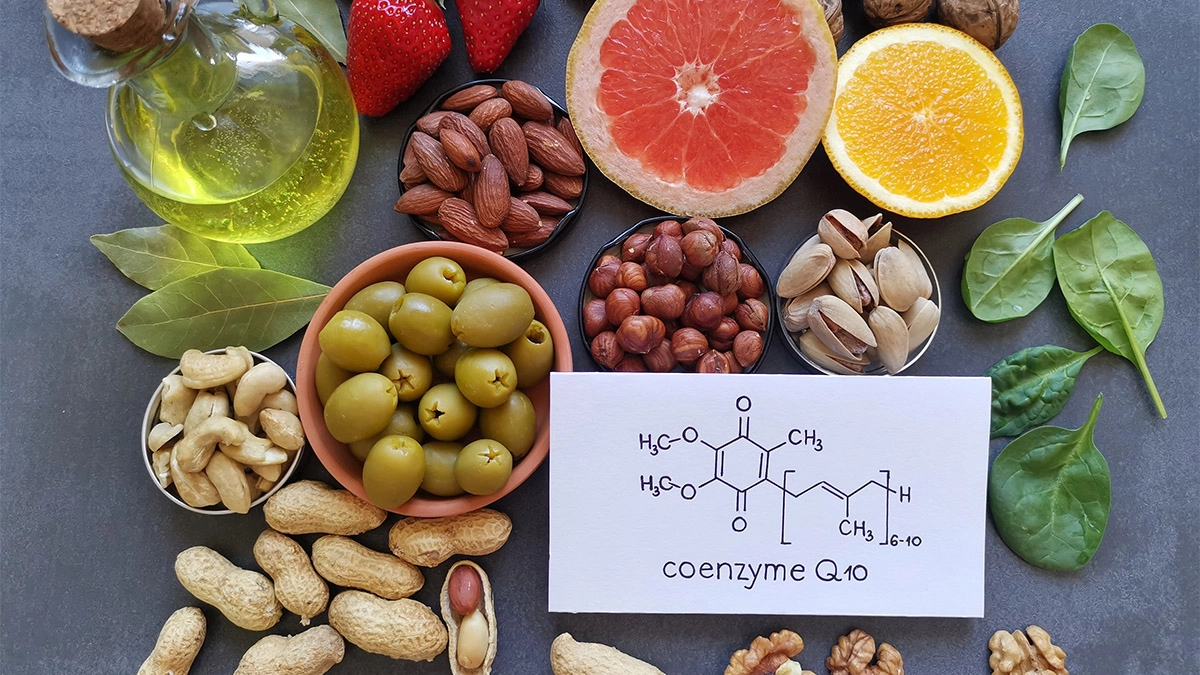
2. Coenzyme Q10 (CoQ10)
Benefits: Boosts cellular energy production, reduces oxidative stress, improves skin texture, supports cardiovascular health, and can help reduce fine lines and wrinkles.
Best food sources:
Organ meats such as kidney, liver, sardines, salmon, trout, mackerel, chicken, beef, pork, spinach, broccoli, cauliflower, strawberries, oranges, soybean and canola oils, soybeans, lentils, peanuts, pistachio, sesame seeds
3. Resveratrol
Benefits: It acts as a powerful antioxidant, combats inflammation, supports cardiovascular health, protects cellular DNA, and preserves telomeres.
Best food sources:
Good news for wine lovers, since you can find resveratrol in red wine. In addition, there are grapes, grape juice, peanuts, cocoa, and berries such as blueberries, bilberries, and cranberries.
4. Omega-3 Fatty Acids (Fish Oil)
Benefits: Enhances skin hydration and elasticity, reduces systemic inflammation, supports cognitive function, and promotes heart health.
Best food sources:
Fish & seafood, especially salmon, mackerel, tuna, herring, and sardines; nuts and seeds with flaxseed, chia seeds, and walnuts leading, plant oils such as flaxseed oil, soybean oil, and canola oil; foods fortified with Omega-3.
5. Nicotinamide Mononucleotide (NMN)
Benefits: Increases NAD+ levels for energy production and cellular repair, supports mitochondrial function, slows aging processes, and improves metabolic health.
Best food sources: Broccoli, cabbage, tomatoes, avocado, mushrooms, edamame.
6. Astaxanthin
Benefits: A potent antioxidant, protects against oxidative stress and UV damage, enhances skin elasticity, reduces fine lines, and may improve muscle endurance and recovery.
Best food sources: algae, yeast, salmon, trout, krill, shrimp, and crayfish
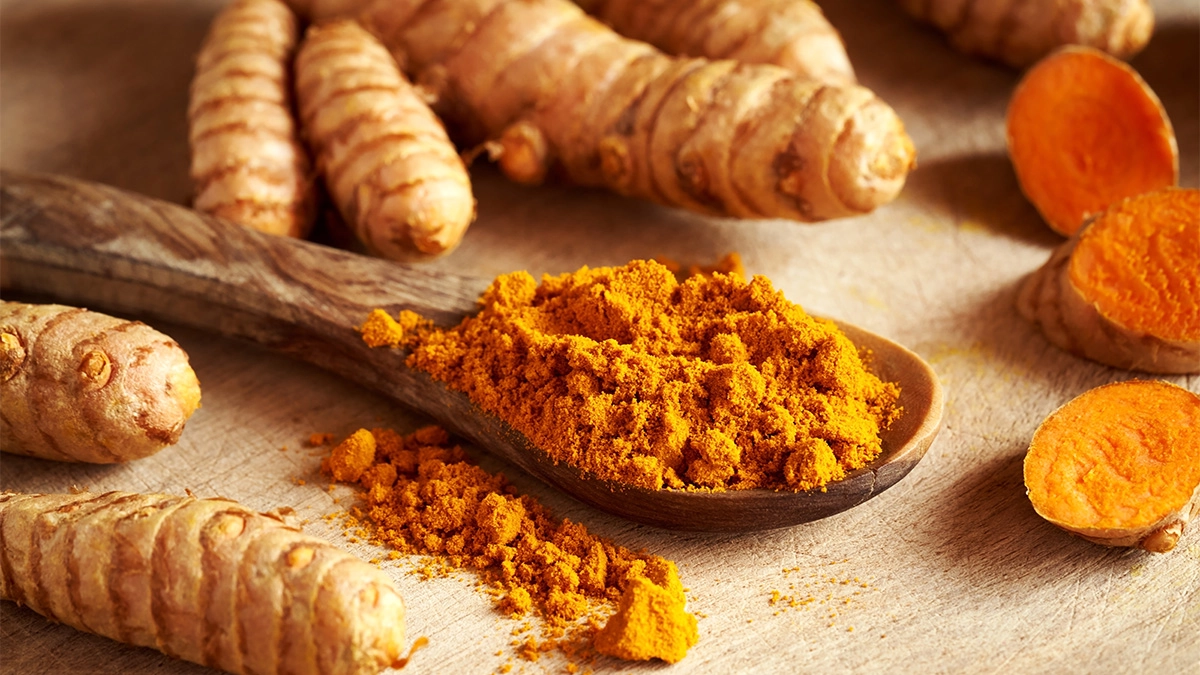
7. Curcumin
Benefits: Provides anti-inflammatory and antioxidant effects, supports joint health, combats age-related diseases, and promotes healthy skin.
Best food sources: Turmeric is by far the best source, followed by mango ginger, curry powder, and curry dishes, but the ratios may vary widely.
8. Green Tea Extract (EGCG)
Benefits: Rich in antioxidants, reduces inflammation, protects skin from UV damage, supports skin firmness, and enhances fat metabolism.
Best food sources: Green tea, black, white, and oolong tea, and less in cranberries, strawberries, blackberries, kiwis, cherries, pears, peaches, apples, avocados, pecans, pistachios, and hazelnuts.
9. NAD+ Precursors
Benefits: Supports cellular repair and energy production, slows aging processes, maintains mitochondrial function, and improves metabolic and cognitive health.
Best food sources:
Organ meats, poultry, tuna, salmon, legumes, brown rice, wheat bran, nuts, and fortified cereals.
Beneficial Anti-aging Vitamins and Their Food Sources
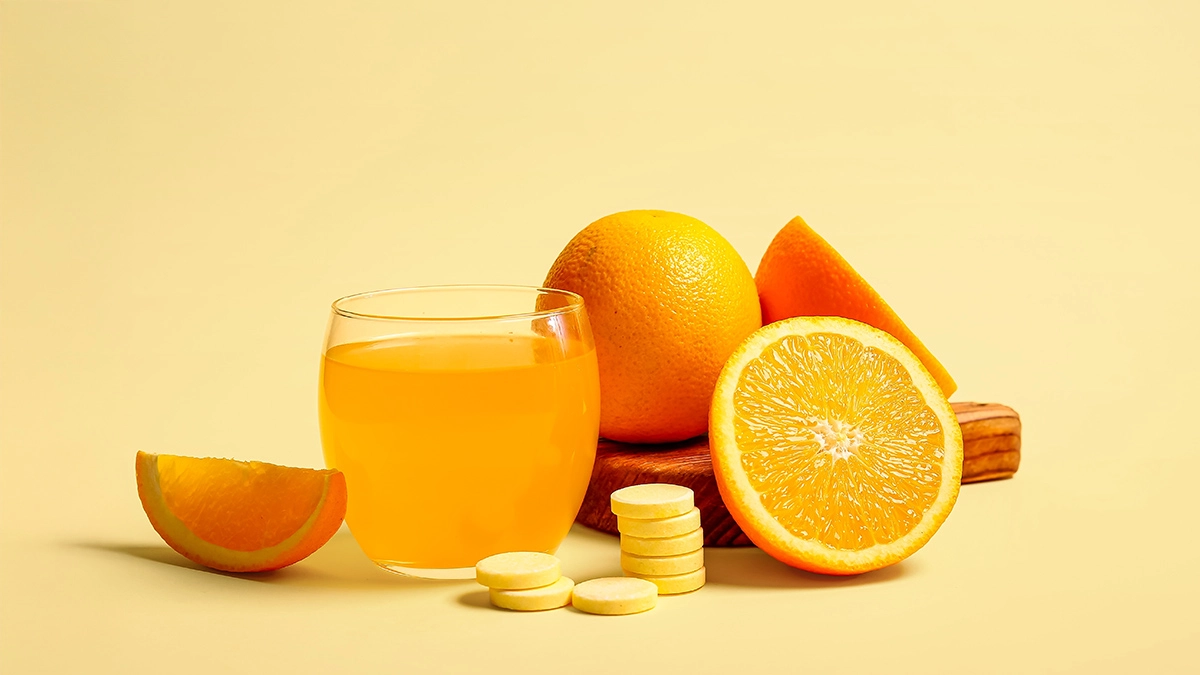
1. Vitamin C
Benefits: Essential for collagen synthesis, brightens skin, protects against UV damage, supports immune function, and aids in wound healing.
Best food sources:
Guavas, kiwi, bell peppers, strawberries, oranges, papaya, broccoli, tomato, snow peas, kale.
2. Vitamin E
Benefits: Acts as a potent antioxidant, protects skin cells from damage, promotes skin repair, and reduces the appearance of scars.
Best food sources:
Nuts, nut butter, and seeds, avocados, spinach, eggs, tuna, herring, swiss chard, tomatoes, broccoli, fortified cereal.
3. Vitamin D
Benefits: It supports skin health, immune function, and bone health, may reduce the risk of chronic diseases, and helps manage skin conditions.
Best food sources:
Fatty fish, herring and sardines, cod liver oil, egg yolks, red meat, and liver.
4. Vitamin A (Retinoids)
Benefits: Stimulates cell turnover, improves skin texture, reduces wrinkles, enhances skin radiance, and treats acne and other skin disorders.
Best food sources:
Beef, lamb and goose liver, cod liver oil, mackerel, salmon, trout, cheese, specifically goat, butter, oysters, and whole milk.
5. Vitamin K
Benefits: Supports skin elasticity, helps prevent bruising, and aids in healing wounds and scars.
Best food sources:
Green leafy vegetables (kale, spinach, turnip greens, Swiss chard, mustard greens, collards, parsley, romaine, and green leaf lettuce) and cruciferous vegetables such as brussels sprouts, broccoli, cauliflower, and cabbage.
6. B-complex
B-complex refers to a group of eight water-soluble vitamins (B1 (Thiamine), B2 (Riboflavin), B3 (Niacin), B5 (Pantothenic acid), B6 (Pyridoxine), B7 (Biotin), B9 (Folate), B12 (Cobalamin)). They don't provide energy by burning; instead, they help turn food into usable energy, build cellular structures, regulate hormones, and maintain your brain and skin health.
Best food sources:
Animal-Based (highly bioavailable)
Liver, eggs, red meat, poultry, fish (salmon, tuna, sardines), dairy products
Plant Sources (a bit less bioavailable)
Whole grains (brown rice, oats, barley, quinoa), legumes (lentils, chickpeas, beans), leafy greens (spinach, kale, arugula), avocados, nuts & seeds, mushrooms, bananas, nutritional yeast (often fortified with B12, so it's a great source for vegans)
7. Hyaluronic Acid
Benefits: What does hyaluronic acid do for your skin? Attracts and retains moisture in the skin, plumps up the skin, reduces fine lines, and improves overall skin texture.
Best food sources:
Bone broth, edamame, tofu, oranges, almonds, kale, and sweet potatoes.
Multimineral supplements
In the modern anti-aging milieu, vitamins took the fame train, but minerals, quietly stacked in the luggage depertment are just as important and function as infrastructure. They serve as scaffolding for enzymes, antioxidants, collagen synthesis, barrier function, pigmentation, and cellular stress resistance.
A proper multimineral, especially if your goal is vitality. longevity, and anti-aging effects on the skin (you know you mean "looking younger" when you say "healthy; we all do) should include:
- Zinc - repair, inflammation, collagen (Oysters (highest), beef, lamb, pumpkin seeds, chickpeas, cashews, whole grains)
- Copper - collagen structure & elasticity (beef liver, oysters, dark chocolate, cashews, sunflower seeds, shiitake mushrooms)
- Magnesium - inflammation & cellular energy (pumpkin seeds, almonds, cashews, spinach, swiss chard, dark chocolate (≥70%), black beans, lentils, whole grains (quinoa, brown rice))
- Selenium - antioxidant defense (1-2 brazil nuts, tuna, sardines, eggs, sunflower seeds, mushrooms)
- Iron - oxygen delivery
Heme-iron that's more bioavailable (red meat, liver, clams, oysters)
Non-heme iron is plant-based and harder to absorb (lentils, spinach, pumpkin seeds, tofu, quinoa): Pro tip: consume with some vitamin C for better absorption - Calcium - barrier & turnover (sardines (with bones), yogurt, kefir, cheese, tofu (calcium-set), kale, bok choy, broccoli, sesame seeds, tahini, almonds)
- Manganese - mitochondrial + matrix support (pineapple, oats, brown rice, hazelnuts, spinach)
In anti-aging biology, minerals aren’t some optional sprinkles on top of your lifestyle. They're necessary for cell architecture, keeping things firm and functional. You'll notice the common themes that permeate all (skin) aging, and that optimal mineral levels rebound, including collagen decline, inflammation, loss of elasticity, free radical damage, reduced oxygen delivery, and failing barrier function.
Electrolytes
We're used to thinking of electrolytes as just something we take if we're going to be sweating a lot or to fix muscle cramps fast, but electrolytes are the electrochemical plumbing that ensures signals can travel from the nerves to the muscles and determine where hydration goes and how long it stays there.
They become increasingly important as we age and our body water content naturally decreases. Having an optimal electrolyte balance means you'll be able to:
- Regulate osmotic balance (controlling water flow in/out of cells)
- Maintain cell membrane potential
- Enable ATP-dependent transporters
- Control nerve and muscle signaling
- Support acid-base balance
- Influence inflammatory signaling
On the practical level of skin health this means you'll have better barrier function (designed to protect you from drying out and being ravaged by the elements and pollutants); improved water retention (not the PMS over compensation, but the retention that keeps te cells fresh and plump); faster wound healing (as there will always be a pimple, breakout or a scratch; to live is to sustain damage); reduced inflammation (not wasting energy on fighting the inflammation but on revitalizing the cell); healthier microcirculation (where blood flows, it grows; blood floow is neccesary to deliver nutrients and fresh oxygen that cells turn into energy to live).
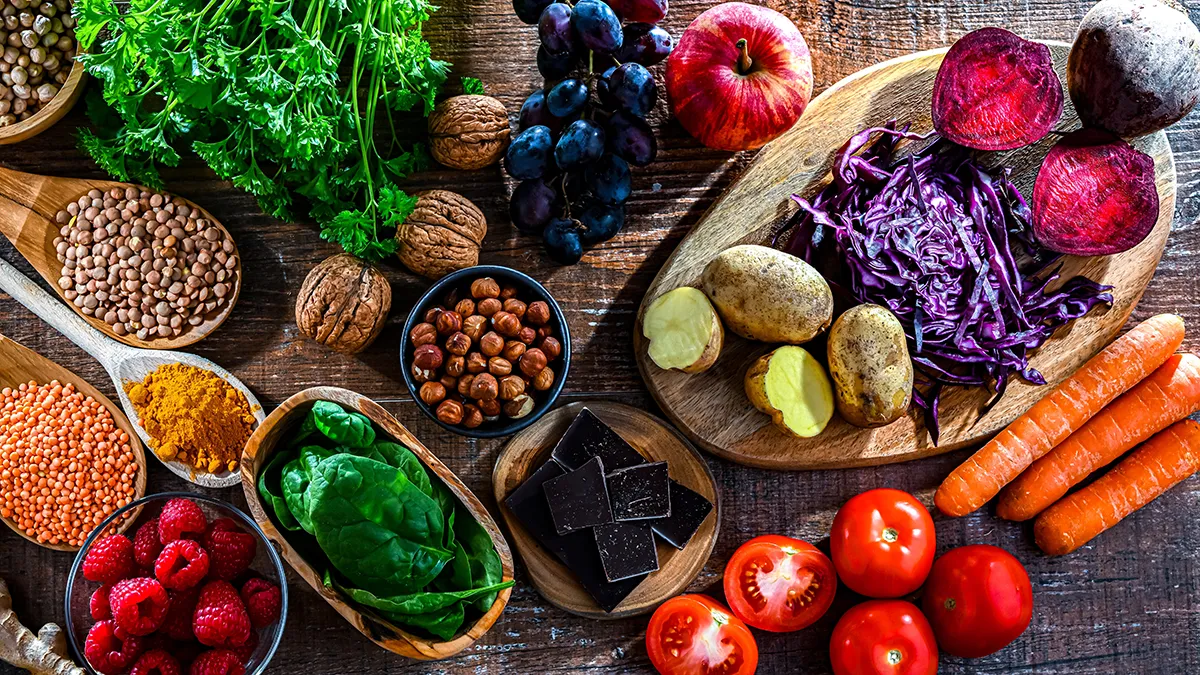
Although there are many foods that provide high-quality electrolytes in a whole-food diet, some combinations are better than others. If you'd like to support skin hydration naturally and make sure your electrolyte balance is on point, consider these food combos:
- Coconut water + chia seeds
- Bone broth + leafy greens
- Avocado + sea salt + olive oil
- Greek yogurt + berries
- Watermelon + feta
- Sweet potato + tahini
- Spinach + citrus salad
The trick is not just adding hydration to the body, especially after exertion or in dry weather, but to keep that water in the cells long enough to do its job.
Super greens (and super reds)
Even if your Wi-Fi is delivered on a snail back somewhere in the middle of nowhere and then left, you've heard about super greens and their super reds cuisines.
The green powder supplements are not the detox pillars they're touted to be. The body evolved to do its own detoxing by design, if we'd just stop filling it up with garbage and move out of the way. Supergreens play a very different role. They introduce concentrated nutrient diversity into our diets because the body loves diversity, which feeds the microbiome and from which it can take what it needs while creating a more robust network of health influences.
When thinking about supergreens, consider them a compressed, nutritive ecosystem composed of micronutrients, polyphenols, chlorophyll, nitrates, and antioxidant signaling that directly influence skin biology. There are no miracles, and there are no superfoods. What's going to be super for you is what's been missing from this mix, and this may be very different for different people. With the green powder's interplay of condensed leafy greens, algae, roots, berries, grasses, and herbs, all dried, powdered, and mixed (ideally with some forethought about interactions by reputable brands), they make an excellent metabolic support to hit that micronutrient density and gut-skin axis, left, right, and center.
Quality of evidence for collective supplements
You can take one isolated supplement, such as vitamin C, Omega-3, or B12, or go a multi-pronged approach, as with supergreens, betting on the interactions of this nutrient melting pot to do a better job than in isolation. This is mostly true, but we must not be naive. Some of the typical ingredients in such dietary supplements have more research than others and more reliable information. This does not necessarily mean that those in the "Promising" or "Mixed results" groups are not beneficial. It just means we haven't had the time to collect such a robust body of evidence yet (despite the anecdotal evidence confirming their efficacy).
So based on human clinical data (how many people), mechanistic plausibility (likelihood that a cause-effect is consistent with the science we understand so far), consistency of results (can a result be replicated in a completely new bunch), and relevance to skin, aging, and health (not everything is relevant for our purpose here), we'll do a quick review of evidence quality for the most typical ingredients in collective supplements.
Well-Studied
Multivitamins
Multiminerals
Probiotics (Lacto & Bifido)
Prebiotics & fibers
Electrolytes & hydration
Very promising
Supergreens & super reds
Mushroom blends
Longevity complex (CoQ10, quercetin, NAD+ precursors)
Flavonoids
Limited / Mixed / Needs more research
Enzyme complexes
Antioxidant & botanical blends
Creatine (specifically for skin/aging, other functions are well established)
The Limitations of Supplements
Powerful as they are, supplements are not a cure-all or a guarantee. They're a bet you place on a healthier future with less chronic disease, better-functioning organs, and younger-looking skin. They by no means replace the foundations of healthy life habits, such as adequate, high-quality sleep, regular movement, daily exposure to sunlight, eating real food, conscious stress-regulation techniques, or the thousands of quiet molecular decisions your body makes every day in response to how you live. Health is something we cultivate and curate by daily decisions, not get from a pill or a scoop of powder.
Your skin, metabolism, hormones, immune system, and cellular repair integrally depend on circadian rhythm, insulin signaling, inflammation load, and nervous system tone. A supergreens blend can definitely support antioxidant capacity, but chronic sleep deprivation will get you good. Magnesium can help build up stress resilience, but it will not override the feeling of dread and burnout if you're under constant, unrelenting stress. Probiotics will support the gut microbiome but will not annul the effects of ultra-processed, low-fiber diets that starve the beneficial bacteria.
Keep in mind that you're not just the sum of your parts, memories, and life experiences. You're built through eons and are a sum of all of your ancestry, genetic certainties, and epigenetic possibilities. We're all different and will respond to things in different ways. Two people can take the exact same supplement and experience very different outcomes, depending on absorption and individual differences in body chemistry. This doesn't mean that a supplement “doesn’t work,” but that biology is personal.
The science continues to evolve, change, and rewrite the books. Nutrition research, especially, is complex and slow, as the long-term large studies are expensive, and we're less likely to conduct them if a supplement cannot be patented. As we learn and understand more, today’s “promising” ingredient may become tomorrow’s standard, or a blind alley and a footnote. Evidence grows. Recommendations refine. We get better at our over-the-counter biohacking in an increasingly more complex environment.
So, no supplements are a replacement for not taking care of yourself. They are amplifiers of a lifestyle designed to thrive. They don’t create health from nothing. They help a healthy system work better.
How to Select the Right Supplement
We don't need to tell you there is a lot of garbage out there: false advertising, empty promises, and supplements that make unsupported claims. Much looser control of supplements, as opposed to medications, leads to a situation where some don't even contain the supplement you think you're taking, or they've oxidized and lost their potency, have gone rancid, or are tainted by filler chemicals. This is why you need to do your research and be very careful when choosing a supplement you plan on taking for a while. When selecting an anti-aging supplement to add to your skincare routine, please consider the following to ensure you choose a high-quality product because sugar pill and snake oil salesmen are thriving in this economy:
- Ingredients: Look for supplements that feature clinically proven ingredients known for the anti-aging benefits we've listed above, included in effective dosages, and backed by expert opinions.
- Dosage: Don't go willy-nilly crazy with the supplement; the potent ones are also dose-dependent. Stick to the recommended dosage instructions provided by the manufacturer or a healthcare professional for safety and effectiveness, as exceeding recommended amounts may lead to adverse effects or reduced efficacy, as this would be pointless.
- Brand Reputation: Every Tom, Dick & Sally are doing supplements right now. from influencers to celebrities and their grandmas. Don't fall for the hype or pretty packaging. Choose supplements from reputable brands that have been here for a while and have established a track record of quality and transparency. It would be wise to pick brands that undergo third-party testing and provide Certificates of Analysis (COAs) for their products. Much greater probability you'll get what you've paid for.
- Safe Marketplaces: Purchase supplements from trusted and secure platforms that have the means to properly store the products and have rigorous standards for product authenticity and quality control. Reliable sources include well-known sites like iHerb and Amazon and direct purchases from official brand websites.
Clean suggestion: FAQ™ Pure all-in-one supergreens supplement
If you’re going to invest in something, it might be a better idea to take a multi- or an all-in-one supplement. Chances are you’re not going to go and do a detailed blood panel every time you choose a new supplement, and you will not have a few nutrient deficiencies deteriorating your vitality and aging you pinpointed. We’d suggest finding something that’s been tested and verified by quality certificates, and ideally has batch-level testing to guarantee no quality slips once initial testing is done and certificates are received.
FAQ™ Pure all-in-one supergreens supplement was five years in the making to create a masterpiece with 85 high-quality active ingredients, supporting vitality, anti-aging, aesthetic goals, and future well-being. It is a single, simple cup-a-day green drink that brings clarity - replacing the cost, confusion, and cognitive overload of managing countless separate supplements.
It contains NAD+, CoQ10, Quercetin, Creatine & proprietary ingredients such as Qfer™ & QvitK2™ - carefully curated to deliver a comprehensive blend of essential vitamins, minerals, antioxidants, pre & probiotics, superfood botanicals, adaptogens & enzymes.
FAQ™ Pure is manufactured in an EU-regulated, FSSC 22000, and GMP-certified facility, ensuring the highest standards of quality, safety, and consistency. Every step is tightly controlled, and each batch is verified with a Certificate of Analysis to verify purity, safety, and quality. This supergreens drink has no banned substances, heavy metals, pesticides and herbicides, microbial contaminants, allergens, or residual solvents.

Frequently Googled questions
What are the top supplements for anti-aging?
The evidence says to focus on vitamin D, omega-3 fatty acids, collagen peptides, magnesium, zinc, CoQ10, and antioxidants like vitamin C and polyphenols.
Do anti-aging supplements actually work?
Yes, they do. They support specific aging-related pathways, but they don’t stop or reverse aging on their own. For the best effect, combine with good sleep, nutrition, movement, and stress management.
How do anti-aging supplements work?
They typically work by supporting antioxidant defenses, mitochondrial energy production, collagen synthesis, keeping inflammation in check, and preventing nutrient gaps. Basically, they help your cells do their jobs more efficiently because aging means the loss of efficacy.
What vitamin tightens saggy skin?
No single vitamin can “tighten” skin alone, but vitamin C is crucial for collagen production and skin structure, while vitamin A (retinoids) and vitamin D support skin turnover and repair. Adequate protein and minerals, such as zinc and copper, also matter for keeping skin firm.
How can I reverse my aging process naturally?
Ah! The Holy Grail. You can’t fully reverse aging. Time will tick on. But you can slow and optimize how you age through sleep, strength training (I know, I know, there's no way around that), daily movement, whole foods, sunlight, stress regulation, and consistent skincare. Living well makes all the difference.
Conclusion
No matter how hard we pull on its stubborn hands, we can't fully stop the clock. Time will pass, and senescence and aging are inevitable. Lucky for us, we don't need to be left to the ravages of the years alone, thanks to the support of contemporary science and supplements that reverse aging. Scientifically proven anti-aging supplements we've explored today work, and it's common sense that if you hit a problem from multiple angles by pairing a supplement with a skincare routine. So, creating a comprehensive anti-aging regimen - where supplements enhance cellular functions, hydration, and systemic protection, hitting the root causes of aging from the inside out while topical treatments provide immediate surface-level improvements - might just be your golden combination for the youthful and vital autumn of life. The body is wise and resilient, and life and time will test it over and over again. Give your body what it needs by primarily voting for health on your plate every single day and supplementing what you're deficient in. The road is long and beautiful, so be kind to yourself and others. Stay curious, stay beautiful, and we wish you a happy and healthy new year.
Training Season Microcurrent Sale: Use code LIFT for up to 50% off
15- 27 Sept, 2026
What would your ancient ancestress say if she knew you could now put lightning energy into your pocket and merrily skip along your way, using this microcurrent toning power whenever you wish to boost collagen, lift, tone, and rejuvenate the face? Well... probably, "What's a pocket?" But she'd definitely be interested in a non-invasive, painless way to be the fairest of them all, with up to 50% off (the best microcurrent deal breakdown and guide here).

Training Season Sale is upon us, and as gyms start to fill back up with more tanned but softer bodies of many a summer hedonism, we forget that the face and neck have muscles too - a lot of them. That is why MYSA is offering a huge discount on premium FOREO and FAQ™ Swiss microcurrent toning devices with the exclusive code LIFT from 15-27 Sept 2026. Go grab your very own non-surgical facelift today!




Comments
10 comments
Leave a comment