17 min read
Anti-Aging Supplements Synergy: What Vitamins to Take Together?

Anti-aging supplements, nutrients, and their interactions
The world of anti aging supplements and longevity compounds is far less a Marvel universe of unique one-in-a-gazillion individuals who do it all alone, endowed with super spit, X-ray vision, or some other supernatural talent, and fighting a singular, isolated nemesis driving the plot and character evolution. It is much more of a society in which more hands make the task lighter, a fluid conversation, not of “heroes” but ordinary Joes that can create something far more impressive by collaborating on a common goal. These interactions and synergistic supplement or supergreens formulations are far more biologically meaningful than touting a single superfood, vitamin, mineral, or adaptogen. They all work together and complement each other, making the processes more effective. John Donne said in the 17th century: "No man is an island, entire of itself; every man is a piece of the continent, a part of the main." - and it’s the same for any active compound in our (wonderfully adaptable) bodies. Nothing is to be discarded or disregarded as irrelevant. We need consistency in variety and a little bit of everything to be balanced, rather than megadoses of one single thing, be it supplements, work, or food. You will have even gotten bored with constant orgasms. Variety really is the spice and, as you know, he who controls the spice…
So, the human body is not just a monotone, droning on forever. We are the freakin’ greatest symphony that ever was. As you read this, the number of processes running in your body simultaneously could gridlock the best of our supercomputers. We’re so fabulous and awe-inspiring, so immensely complex (the brain’s processing power is about an exoflop (1 followed by 18 zeroes), highly parallel (we’re not linear, but do an infinite number of operations parallel), and energy-efficient (powering all of this with about 12-25 watts, a dimlightbulb or a monitor in sleep mode energy) that no tech can simulate this one perfect body in real time.
We don’t just throw random buckets of something into a well-oiled machine; we do fine-tune-ups. If grandma had wheels, she would be a bicycle, but she has cookies and pre-prepared parent lies, so she is grandma. In something as complicated as a grandma, or any of her begotten lineage, nothing operates in isolated pathways. Nutrients interact, depend on one another, activate each other, and sometimes even compete for the same stuff, like enzymes. This is why taking high doses of a single vitamin, mineral, or supergreen doesn’t deliver the transformations people have been conditioned to expect. Oh, we all want it so bad we can taste it; we all want someone to have all the answers, as when we were clueless kids. We just want to be told what is right for us and believe it. Unfortunately, it doesn’t work like that. The best we can do is to show you the interactions amongst various wellness and anti-aging supplements and let you make your own conclusion. If we had to bet on something, we’d bet on a supergreens juice or a multivitamin that will give you some of everything the body needs, and we’d insist on ingredient purity, because it makes no sense to feed your body what it needs, plus, for example, a ton of heavy metals.
We’ll go through the best vitamin, mineral, and compound interactions science has confirmed so far. We’ll look at how their interactions mechanistically enhance each other’s function or prevent antagonisms that might blunt the benefits. Our goal is not just to tell you which supplement stack hack works, but to explain how and why it works, what systems and processes it supports in the body, and which common foods have the highest concentrations. We’ll also have a suggestion on a multi-nutrient green powder that fits the biochemical principles discussed today (feel free to jump to the last chapter if you don’t care how or why it works, as long as it does). For those who want to know the “how” and “why”, down the rabbit hole we go.
What supplements can you take together and why
You can, of course, wing it, but if you’re going to be giving money for something fairly consistently for the foreseeable future, you'd better have a plan and know how to make a combination that will have the highest ROI. The best supplement pairs include:
Vitamin D activation: Vitamin D3 (cholecalciferol) + Magnesium
Vitamin D3 and Magnesium have a direct biochemical relationship: magnesium literally helps activate vitamin D.
Left to its own devices, Vitamin D3 is quite biologically inactive. To be utilized, it must first undergo two conversion steps in the liver and kidneys, becoming an active form (calcitriol). Magnesium, which has many a fancy benefit on its own, is required here as a cofactor for the enzymes that drive these inert D3 conversions. Without enough magnesium, even high doses of vitamin D may be only marginally effective.
Magnesium also helps counteract some of vitamin D’s downstream effects, such as reducing the risk of muscle tension or cramping that can happen when vitamin D increases calcium absorption and availability. Normal amounts of calcium where it belongs are great, but too much calcium in the blood may cause kidney stones, renal failure, muscle weakness, brain fog, arrhythmias, and high blood pressure.
Short version
- Magnesium is required to convert vitamin D into its active form (calcitriol).
- Without adequate magnesium, vitamin D remains partially inactive.
- Magnesium also reduces muscle cramping that can occur with higher D intake.
Food sources:
D3 (mainly animal sources + you make it when you have enough good fats and are exposed to sunlight)
- Salmon (especially wild-caught)
- Mackerel
- Sardines
- Egg yolks
- Cod liver oil
Magnesium (widely found in plant foods)
- Pumpkin seeds
- Almonds
- Spinach
- Black beans
- Dark chocolate (high cocoa content)
Directing calcium: Vitamin D3 + Vitamin K2
Clinical studies show that Vitamin D3 and Vitamin K2 work together to regulate calcium absorption and its distribution in the body.
Vitamin D3 increases calcium absorption from the gut (as mentioned above), raising the amount of calcium circulating in the bloodstream, which needs a place to go. Vitamin K2 then activates specific proteins (like osteocalcin and matrix GLA protein) that direct free calcium into bones and teeth while preventing it from depositing in soft tissues like arteries, supporting bone health while helping protect cardiovascular health.
Short version:
- Vitamin D increases calcium absorption from the gut.
- Vitamin K2 activates osteocalcin and matrix GLA protein.
- These proteins direct calcium into bone and prevent calcium accumulation in the arteries.
Food sources:
You’ve got the list for D3 above, but K2 is often overlooked. You can find it in:
- Natto (fermented soybeans - the richest source)
- Hard cheeses (like Gouda and Edam)
- Egg yolks
- Butter (especially from grass-fed cows)
- Chicken thighs/liver
Physiologic Balance: Calcium + Magnesium
If you're into stacking supplements, calcium and magnesium might be a good idea and will hit various systems like bone density, muscle contractions, and proper nervous system function.
They have opposing functions. Calcium stimulates muscle contraction and bone buildup, and magnesium relaxes muscles and aids in calcium absorption. We refer you to the first synergy of the day, where magnesium activates vitamin D to make sure you're using your calcium in all the right places.
Evidence shows that a calcium-to-magnesium ratio of roughly 2:1 is ideal. Ratios below 1.7 or above 2.8 may be associated with increased health risks, including higher cardiovascular disease and cancer mortality.
Short version:
- Calcium contracts muscles.
- Magnesium relaxes muscles.
- 2:1 ratio of calcium to magnesium is optimal.
Food sources:
Calcium
- Dairy products (milk, yogurt, cheese)
- Sardines (with bones)
- Leafy greens (kale, bok choy, collard greens)
- Fortified plant milks (almond, soy, oat)
- Tofu (especially calcium-set)
Magnesium
- Pumpkin seeds
- Almonds & cashews
- Spinach and other leafy greens
- Black beans & lentils
- Dark chocolate (high cocoa content)
Immunity, DNA synthesis, nervous system, hormones: Zinc + Copper
Zinc and copper compete for absorption. They are absorbed in the small intestine via the protein metallothionein. More zinc intake means more of this protein, but it prefers to bind copper, trapping it in the intestines and excreting it. This means that excessive zinc can lead to copper deficiency.
In the body, zinc supports immune function, wound healing, DNA synthesis, hormone regulation (including testosterone), and skin health. Copper supports iron metabolism (helping prevent anemia), red blood cell formation, nervous system function, collagen and connective tissue production, and antioxidant defense.
If your diet is varied (nuts, seeds, whole grains, seafood), your body usually maintains this balance naturally, but keep in mind that the optimal clinical ratio is Zinc 14 mg : Copper 1.4 mg, so 10:1.
Short version:
High zinc:
- Increases metallothionein
- Traps copper in intestinal cells
- Causes copper deficiency over time
Food sources:
Zinc
- Oysters (by far the richest source)
- Beef
- Pumpkin seeds
- Chickpeas
- Eggs
Copper
- Beef liver
- Oysters (rich in both zinc and copper)
- Cashews
- Sunflower seeds
- Dark chocolate
Iron absorption boost: Vitamin C + Iron
Vitamin C paired with iron is a heavy-hitter pair. There is a type of iron we can easily absorb (ferrous) and a type we have trouble with (ferric), and vitamin C converts it into a more easily absorbable form, while also keeping the tannins (from tea) and phytates (from grains) from preventing absorption. Iron is crucial for oxygen transport (via hemoglobin), energy production, brain function, and the prevention of anemia.
If you're getting your iron mostly from plant-based sources (lentils, spinach, oatmeal, beans...), make sure to pair iron with vitamin C, which will double or even triple absorption.
Short version:
Vitamin C:
- Reduces ferric (Fe³⁺) to ferrous (Fe²⁺) iron
- Improves non-heme iron absorption
Food sources:
Vitamin C
- Oranges & citrus fruits
- Red bell peppers
- Kiwifruit
- Strawberries
- Broccoli
Iron
- Red meat (beef, lamb)
- Liver
- Lentils
- Spinach
- Chickpeas
Antioxidant recycling: Vitamin C + Vitamin E
Vitamin C and vitamin E work together to form one of the body’s most elegant antioxidant duos, actively recycling and regenerating each other to keep the cells protected.
Vitamin C is water-soluble and works in fluids like blood and inside cells, while vitamin E is fat-soluble and protects cell membranes from damage. When vitamin E fights free radicals - rogue molecules (produced just by being alive, breathing, and metabolizing) that steal electrons from stable molecules - it becomes oxidized and less active. Vitamin C helps restore damaged vitamin E to its active form, allowing it to continue protecting cells and supporting skin health, immune function, heart health, and even alleviating endometriosis pain.
Short version:
- Vitamin E neutralizes lipid radicals.
- It becomes oxidized in the process.
- Vitamin C regenerates oxidized vitamin E back into its active form.
Food sources
Vitamin E
- Almonds
- Sunflower seeds
- Sunflower oil, Olive oil
- Hazelnuts
- Avocado
Key for methylation: B6 + B12 + Folate
First, what is methylation, and why is it so important? Methylation is a process where a methyl group (one carbon atom + three hydrogens) is added to DNA, proteins, or other molecules. In DNA, it can control which genes are active or silent, and in other molecules, it helps make neurotransmitters, detoxify the liver, and regulate hormones. Basically, methylation is how we keep cells, nerves, and organs working smoothly.
Vitamin B6, B12, and folate form a triad that works together to support the crucial functions of red blood cell production (anemia protection), brain function, and DNA synthesis and repair (which is why pregnant women often supplement). One of their most important shared functions is regulating an amino acid called homocysteine. If homocysteine goes too high, it can lead to heart and brain health issues. Folate and vitamin B12 help convert homocysteine into methionine, used for vital functions, and vitamin B6 helps convert homocysteine into another harmless substance called cysteine.
Short version:
- Folate donates methyl groups.
- B12 transfers methyl groups.
- B6 helps convert homocysteine to cysteine.
Food sources:
B6
- Chicken breast
- Salmon
- Bananas
- Potatoes
- Chickpeas
B12
(almost exclusively in animal foods)
- Beef liver
- Clams
- Salmon
- Eggs
- Dairy products (milk, yogurt, cheese)
B9 (Folate)
- Spinach
- Lentils
- Asparagus
- Avocado
- Broccoli
Methyl backup: Choline + Folate + B12
A similar mechanism to the previous triade, sort of an inbuilt redundancy due to the importance of the job. Choline (via betaine) can donate methyl groups when folate is insufficient, so you can maintain the protective function.
Food sources:
Choline
- Eggs – Especially yolks; one of the richest and most bioavailable sources.
- Liver (beef, chicken, or turkey) – Extremely high in choline per serving.
- Fish and seafood – Salmon, cod, and shrimp provide good amounts.
- Meat and poultry – Chicken, turkey, and beef are solid sources.
- Soy products and legumes – Tofu, edamame, and chickpeas offer plant-based choline.
Bonus methylation nutrient: Creatine
Creatine synthesis also uses methyl groups, so supplementing creatine:
- Reduces endogenous (in the body, by the body) creatine production
- Spares methyl groups
- Reduces homocysteine burden
Food sources
(mostly in animal-based foods)
- Beef – About 2 grams of creatine per pound of raw meat.
- Pork – Similar levels to beef, slightly lower per serving.
- Fish – Herring, salmon, tuna, and cod are rich in creatine. Herring has the highest content.
- Chicken – Lower than red meat and fish, but still provides some creatine.
- Other meats – Lamb and game meats contain moderate amounts.
Energy production & metabolism: NAD⁺ + B Vitamins
NAD⁺ (nicotinamide adenine dinucleotide) and B vitamins work together. NAD⁺ is basically a cellular “battery,” helping transfer energy during metabolism and converting food into ATP (cellular energy keeping you alive)..
B vitamins, especially B3 (niacin), B2 (riboflavin), and B6, are precursors or helpers in producing and recycling NAD⁺. Niacin (B3) is directly converted into NAD⁺, while riboflavin (B2) supports enzymes that activate NAD⁺.
In addition to energy production, NAD⁺ also plays a role in DNA repair, gene expression, and cell signaling, processes that B vitamins indirectly support. Having sufficient NAD⁺ and B vitamins ensures efficient energy production, healthy metabolism, and proper cellular function.
Short version:
- NAD⁺ acts like a cellular battery, helping turn food into energy (ATP).
- B vitamins - especially B3, B2, and B6 - help make and recycle NAD⁺.
- Together, they support energy production, DNA repair, and healthy cell function.
Food sources:
NAD⁺ precursors (mainly niacin/B3, tryptophan):
- Meat & poultry – Chicken, turkey, beef, and liver
- Fish – Tuna, salmon, and anchovies
- Nuts & seeds – Peanuts, sunflower seeds
- Legumes – Lentils, chickpeas
- Whole grains – Brown rice, oats
Other B vitamins:
- B1 (thiamine): Whole grains, pork, beans
- B2 (riboflavin): Eggs, dairy, leafy greens
- B6 (pyridoxine): Chickpeas, bananas, potatoes
- B12 (cobalamin): Meat, fish, dairy, eggs
- B9 (Folate): Leafy greens, asparagus, legumes
Antioxidant Echos: CoQ10 + Vitamin E
CoQ10 and vitamin E maintain cell membrane integrity, support heart health, and reduce oxidative stress.
CoQ10 (coenzyme Q10) is a key molecule residing in the mitochondria that helps produce energy (ATP) for cells, and Vitamin E is a fat-soluble antioxidant that protects cell membranes from oxidative damage. As they produce energy, mitochondria also generate free radicals (this is unavoidable), which are naturally neutralized by antioxidants, and the true danger lies in not having enough antioxidants to deal with the oxidation that accumulates into cellular damage and tissue aging, be it skin, kidney, heart, or ovary.
In this duo, vitamin E neutralizes free radicals, but in the process becomes oxidized itself, sort of sacrifices itself, only to be regenerated by CoQ10, which restores its antioxidant power so it can keep protecting cells.
Short version:
- CoQ10 makes energy in cells.
- Vitamin E protects cell membranes from damage.
- CoQ10 restores vitamin E, allowing it to keep fighting free radicals.
Food sources:
CoQ10
- Organ meats – Heart, liver, and kidney are the richest sources.
- Fatty fish – Salmon, mackerel, and sardines.
- Meat – Beef, pork, and chicken, especially muscle meat.
- Vegetable oils – Soybean, canola, and olive oil.
- Nuts and seeds – Peanuts, pistachios, and sesame seeds.
Gut health basis: Inulin + Probiotics
Inulin is a type of prebiotic fiber that humans can’t digest, so it reaches the colon intact, where it selectively feeds beneficial bacteria, and it’s especially scrumptious to Lactobacillus and Bifidobacterium (important probiotics that maintain a healthy gut microbe).
When inulin feeds probiotics, it promotes their growth and activity, improving gut balance. And gut balance is so much more than just supporting digestion and proper evacuation. This is also crucial for nutrient absorption (aka full body health) and immune health, as most of the immunity comes from a healthy gut.
Short version:
- Inulin is a fermentable fiber.
- It selectively feeds Bifidobacterium and Lactobacillus.
- Without prebiotic fiber, probiotic survival is lower.
Food sources:
Inulin-rich foods (prebiotics)
- Chicory root – One of the richest sources.
- Jerusalem artichoke – High in natural inulin.
- Garlic – Contains inulin and supports gut bacteria.
- Onion – Red and white onions are good sources.
- Leeks – Versatile and interesting for those who don't like onions.
Probiotic-rich foods
- Yogurt – Especially with live and active cultures.
- Kefir – Fermented milk drink packed with bacteria.
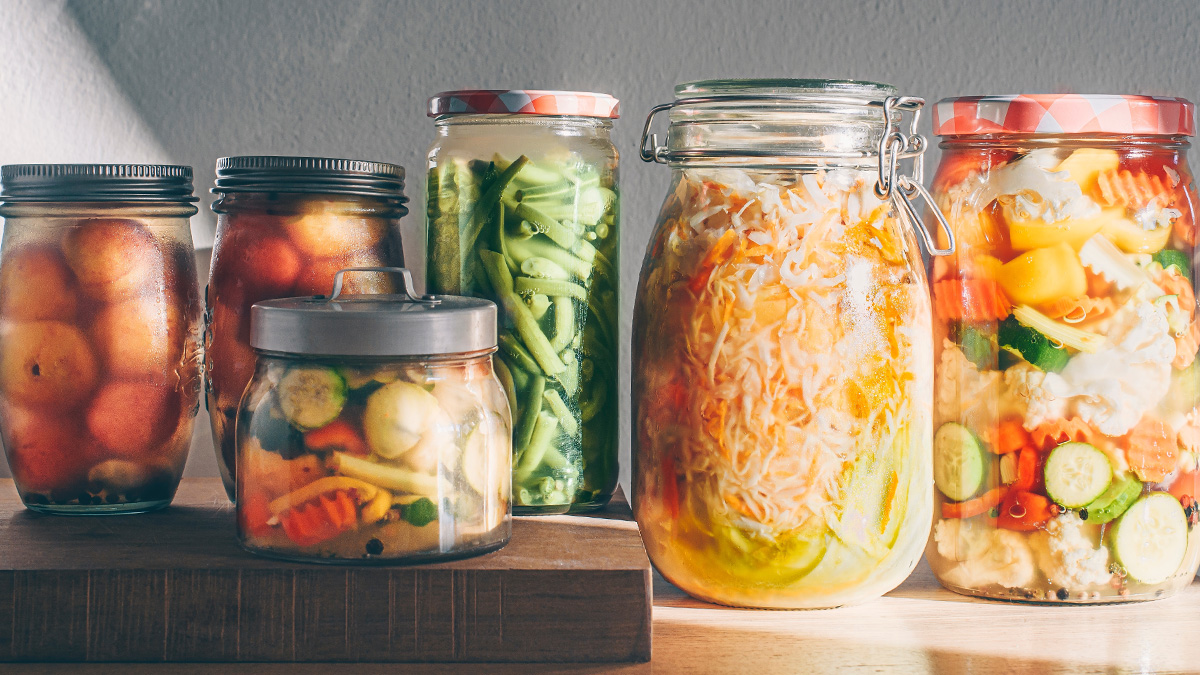
- Sauerkraut – Fermented cabbage with beneficial microbes.
- Kimchi – Spicy fermented vegetables.
- Miso – Fermented soybean paste used in soups.
Immunity, heart health, and cell protection: Quercetin + Vitamin C
Quercetin and vitamin C have amazing effects on immunity. Quercetin is a plant flavonoid with antioxidant and anti-inflammatory properties, and Vitamin C is our household run-of-the-mill water-soluble antioxidant that protects cells from oxidative stress.
Quercetin and vitamin C are a team, with vitamin C helping quercetin absorption and recycling, keeping it active longer in the body. Working together, they significantly boost antioxidant defenses, reducing free-radical damage to cells and tissues, and fortifying immune health, cardiovascular function, and overall cellular protection. The damage to cells is not trivial; it accumulates, and the lines and wrinkles we see on the face are only an external reflection of what is happening to tissues below the skin.
Short version:
- Vitamin C increases quercetin absorption
- It helps maintain quercetin in active form
Food sources:
Quercetin
- Onions – Especially red and yellow varieties.
- Apples – Particularly the skin.
- Berries – Blueberries, cranberries, and blackberries.
- Capers – Extremely high in quercetin per gram.
- Kale and other leafy greens – Spinach and kale are good sources.
Bonus: This mechanism works with other antioxidants too, such as Green tea polyphenols like EGCG, found in green tea, matcha powder, white tea, oolong tea, and some in very dark chocolate.
Anti-aging supplement suggestion: FAQ™ Pure
In an ideal world, we’d all be cooking from scratch with pristine, uncontaminated ingredients we’ve just dug out of our organic, heirloom culture garden fertilised by homemade compost. Birds would braid our hair while we’re stream-rinsing this produce, and we’d have fresh eggs on demand from chickens that have names and an acre to peck around. We’d know how to make cheese from scratch or ferment plant-based protein. Bees would buzz just for us, and goats would decide we’re one of the herd under a full moon on some random Tuesday. But the world is not ideal.
We live in a time when being a busy bee is a compliment and something to strive for in a culture that elevates productivity to the level of sole purpose, where soils are completely depleted, and produce is a semblance of food that might as well be a wax model at Madame Tussauds. Bees are falling out of the sky, sunless chickens are forced into slave labor with no room to move, and goats have voted us out of their trip (yes, this is the accepted name for a multitude of goats; heard would have worked also, but is far less fun). This is why we may be deficient in some of these critical components of a smooth-running show, even if we try to eat healthy and make sure to get our greens, protein, nuts, and seeds in. The world is now more polluted than in the past, and we need more antioxidants to clean up the mess, effectively neutralize toxins, and detoxify the body so it can restore homeostasis.
Multivitamins, multimineral preparations, and green powders are therefore not a fad to be prostituted on social media, in a Pokémon-esque “collect all” way. It’s a necessity and a welcome break from trying to do it all yourself while working on your wellness and balance, as if it were a full-time job in an ever-more-complicated landscape of daily life. All-in-one green juices and supplements are practical, very useful, and have a higher chance of actually giving you what you need, especially if you've got multiple nutritional deficiencies due to poor nutrition or side effects of medication like GLP-1. A prospect you’ll hit your exact nutritional deficiencies with a single dietary addendum, without extensive testing and bloodwork, is basically close enough to absolute zero that we can comfortably call it nil.
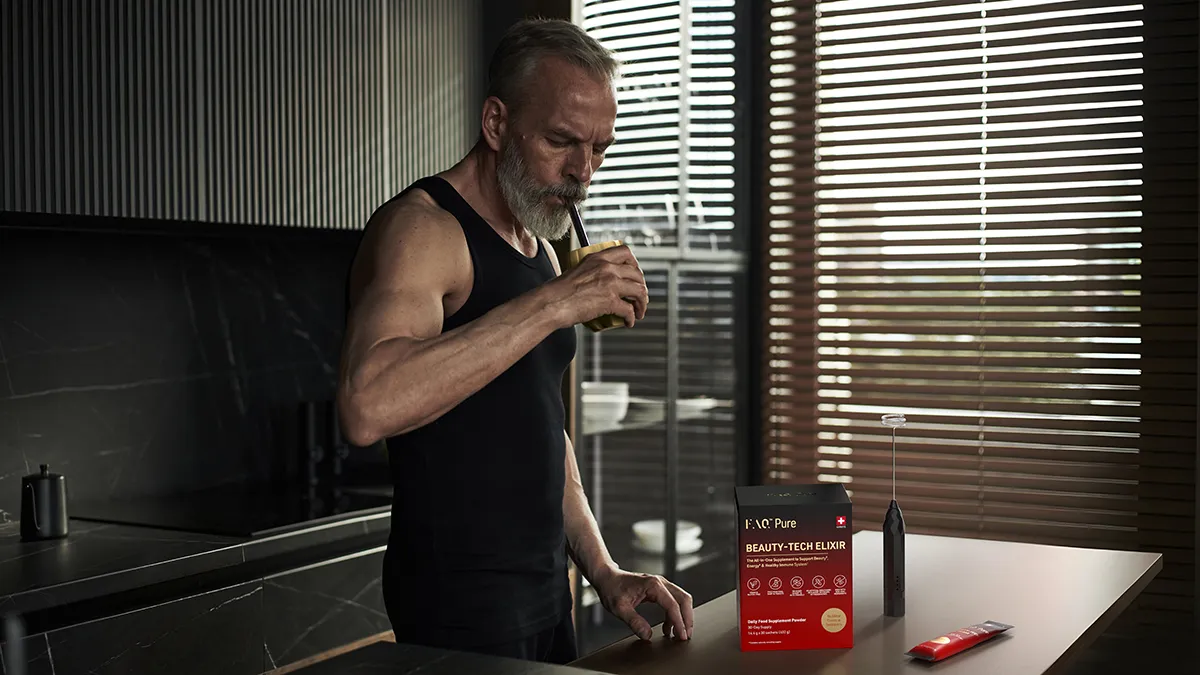
Based on the principles we’ve shown above, we've chosen the Anti-aging supplement suggestion that fits the ethos of interdependence and the whole being far larger than the sum of its parts: FAQ™ Pure beauty-tech elixir. A well-designed formula like FAQ™ Pure, 5 years in the making, reflects this systems-based approach. Instead of stacking supplements at random or making you guesstimate the combos alone, it binds together various proven compounds that enhance each other’s absorption, activation, and function, or prevent one another from causing an imbalance, and it does so in clinically proven ratios.
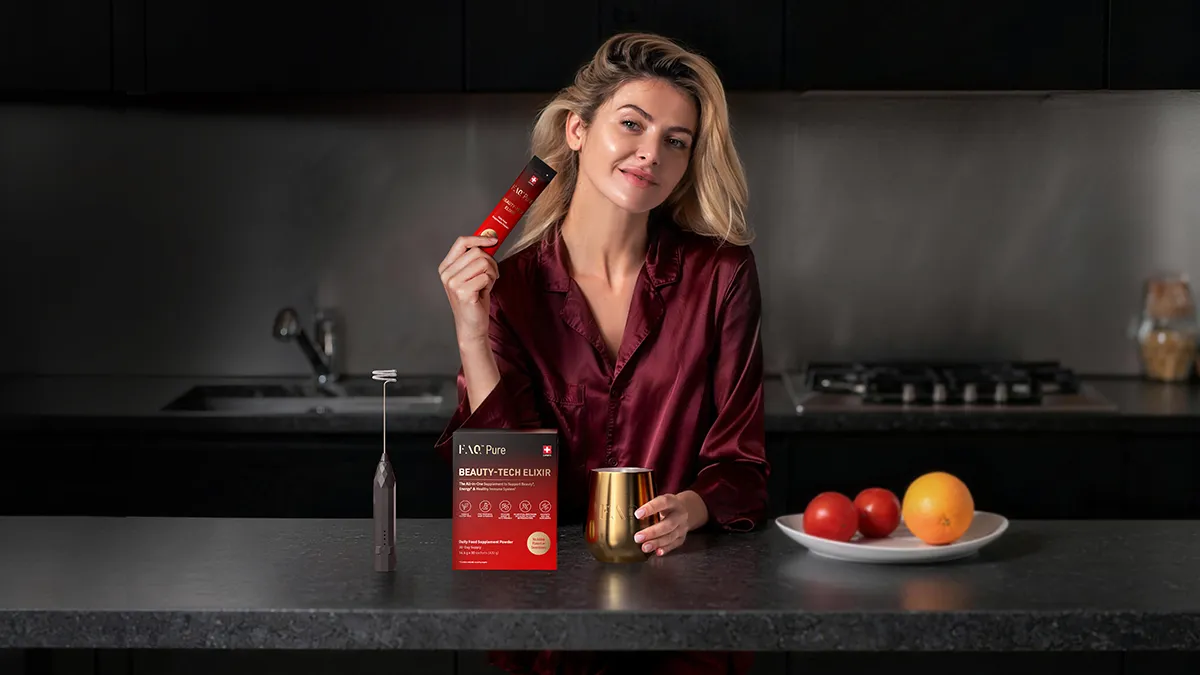
Some of these Pure synergy interactions are foundational ones we’ve talked about: for example, magnesium is required to activate vitamin D, while vitamin K2 ensures that the calcium mobilized by vitamin D is directed into bones rather than soft tissues. Others operate at a more advanced biochemical level, such as antioxidant recycling loops (vitamins C and E), methylation-support networks (B6, B12, folate, and choline), or mitochondrial-efficiency pathways involving NAD⁺ and its B-vitamin cofactors.
Although this supplement mixture is designed for full-body wellness and support to crucial functions, the results will also be very visible and particularly relevant for anti-aging, hitting the interconnected hallmarks of biological decline. These include large problems that follow the decades ticking away on us, such as cellular energy decline and impaired repair mechanisms, as well as increased oxidative stress and inflammation, which are unavoidable as repairs naturally slow. When nutrients are paired correctly, they don’t just add up, but amplify and resonate off one another, echoing through the system. And the best thing is it’s a scoop in a glass of water. It takes 10 seconds a day to make and consume, and you’re on your way, knowing you’re covered for all crucial nutrients to support:
✔ Immune health
✔ Cellular protection
✔ Healthy skin, hair, nails
✔ Energy levels
✔ Metabolism
✔ Healthy brain function
✔ Joint health & Muscle function
✔ Hormonal regulation
✔ Digestion
✔ Blood sugar levels
✔ Bone health
✔ Eye health
✔ Heart health
✔ Healthy blood formation
So, FAQ™ Pure is not just a multinutrient supplement to get and let sit in your cupboard until it expires, but is a coordinated biochemical network. Its design reflects a deeper understanding and an architectural approach to how nutrients behave inside the body, together, not just in a petri dish. It works on energy production, cellular repair, antioxidant defense, metabolic balance, and digestion in ways that mirror the body’s own systems. There is no forcing, just providing the necessary building blocks for health and vitality. It doesn’t need your constant attention and opts out of the attention economy. No contemplating, just take it and forget it. Because for longevity it was never just about what you don’t or do take, but about what works together.
Important Protective Counterbalances Built Into Your Formula
- Zinc balanced with copper
- D balanced with K2 and magnesium
- Iron is balanced with vitamin C but modulated by polyphenols
- Calcium is buffered by magnesium
- Creatine buffered by methyl donors
- Probiotics buffered by prebiotic fiber
Top-tier Biochemically Meaningful FAQ™ Pure Synergies
- D3 + K2 + Magnesium
- Zinc + Copper
- C + E recycling
- B6 + B12 + Folate
- Creatine + methylation nutrients
- Inulin + probiotics
- NAD⁺ + B vitamin cofactors
There you have it. We hope this was helpful if you’re just scanning the market for a quality all-in-one anti-aging supplement. We hope you’ve learnt something new, understand the nuances of compound interplay, and are better equipped to make an informed choice and not be weaseled out of your money. You can read more details on FAQ™ Pure here. Head on over to foreo.com to get your first batch (keep in mind it is not yet available globally, and some countries may not be able to order yet, so bookmark it for later). Stay cool, stay curious, and enjoy living in your beautiful skin.






Leave a comment