15 min read
Can Red Light Therapy Burn Your Skin? Risks, Side Effects & Safety

This question, “Can red light therapy burn your skin?” seems to pop up a lot since large light therapy devices got caught up in the wave of democratization by miniaturization, packing the power of professional red light therapy into hand-held, at-home devices.
The short answer to our question of the day is no (primarily because light therapy has no UV radiation), and, well, sort of yes. The nuanced long answer - because all truth lives somewhere between two absolutes - is the crux of this conversation today. We’ll cover potential causes of red light therapy skin irritation, what to do immediately if your skin reacts, how to avoid it in the future, and answer a whole bunch of frequently asked questions about red light therapy risks and side effects.
Is light therapy generally safe? After a long history dating back to ancient heliotherapy (basically sitting in the sun, which has all of the wavelengths, as a form of treatment), Nobel prizes for treating lupus, the invention of lasers and modern LEDs, across failed cancer cures that turned out to be great at healing skin and regrowing hair instead, to NASA tech adoption to grow space salad, the first FDA clearance in the early 2000s, and the subsequent explosion of red light therapy at home - light therapy was, and is, very safe.
It is one of the gentlest, non-invasive skincare treatments, with no mechanical manipulation that can cause problems, especially for more sensitive and reactive skin. However, you’re still introducing something to the skin here - extra energy packaged as photons - and the same mechanism that makes light therapy work so well can cause problems when overdone. No matter how gentle the therapy, our body is a biochemical masterpiece with a biphasic response: things are beneficial up to a point, then they plateau, usefulness starts to drop, or the previously useful substance starts causing harm.
An LED mask or panel won't cause traditional UV-type sunburn, but overusing red light therapy can cause excessive heat, irritation, and, in certain circumstances, burn-like reactions. Still, using a high-quality, properly wavelength-calibrated device with irradiation (power output) appropriate for skin treatments, and following instructions, makes red light therapy burns very unlikely, though some people are at higher risk.
So make yourself comfortable, grab a snack, and let's learn how red light therapy can damage skin if used improperly, what to do if it happens, and how to stay safe.
What is red light therapy and how does it work?
First, let's explain what it is and how red light therapy works on living tissue. Red light therapy is part of a larger group of light therapies that go by many names. If you ever hear the words phototherapy, full-spectrum light therapy, photobiomodulation (PBM), low-level laser therapy (LLLT), cold laser therapy, or soft laser therapy, they all refer to the same thing: using light energy to stimulate processes in living cells.
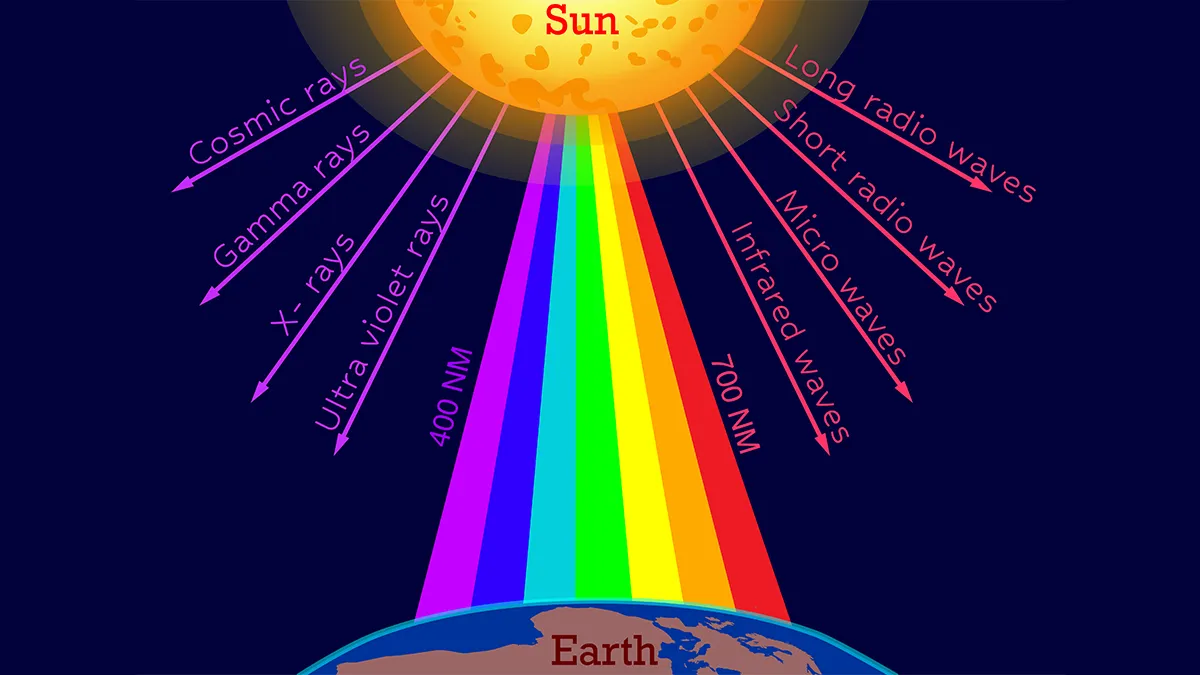
Red light therapy (RLT) is called so because it uses specific wavelengths in the red spectrum:
- Visible red 620–700 nm (most commonly 630–660 nm)
- Invisible near-infrared (NIR) 810–850 nm (sometimes extending to ~940 nm)
- Deep NIR 940-1072 nm (such as 940 nm, 1060 nm, 1064 nm, and 1072 nm)
The therapy mostly works by transferring energy from light into living cells, improving mitochondrial function. For all of us who’ve forgotten our first bio classes, mitochondria are the bean-shaped organelles in all of our cells that produce the energy of life that literally keeps you alive. If they stopped for just a minute, you’d die (btw that's how cyanide works). Mitochondria were once bacteria separate from a living cell, but they formed a symbiotic agreement in which the cells exchanged oxygen and food for mitochondrial energy, and over time they were incorporated into the cell.
When we’re young, our mitochondria are robust and healthy, with plenty of energy left over for restoration and repair. But as we age, this process slows, and mitochondria get sluggish, focusing more on survival than restoration. The untended damage slowly accumulates, and one day you notice your skin is aging. What you see on your skin reflects the condition of your other organs, too. An additional mechanism of red light therapy is improving microcirculation and delivering more fresh blood pumped with oxygen and nutrients to the cells, and oxygen and nutrients are the building blocks- the stuff that gets burned inside the mitochondria to produce ATP.
If you’ll remember only one thing, remember that light therapy transfers energy to the living cell, helping it recover, repair, and function better, resulting in tissue rejuvenation and faster healing.
Can red light therapy burn your face, and how common is it?
The second part of the question answers the first. You can, of course, get red light therapy straight from the sun we’ve evolved under, as people originally did with heliotherapy (helio- (sun)) once they figured out its healing benefits. But the sun contains all visible and invisible wavelengths of radiation, including beneficial red light, as well as UV, X-rays, gamma rays, microwaves, and radio waves. Light burns are most often associated with ultraviolet (UV) radiation, which causes sunburn, cell mutations, and melanoma.
LED photobiomodulation devices are unlikely to burn your face and will not cause cancer because they work primarily through photochemical processes (the physical effects of light energy on cells) rather than heating beyond some mild warmth. This is why they're generally well tolerated.
The American Academy of Dermatology (AAD) also considers red light therapy generally safe in the short term, but notes that temporary pain, redness, and skin irritation are among the reported side effects. Regardless of how rare, it can happen. Burns themselves are even less likely, but not impossible, and mostly linked to red light overuse or faulty devices. Excessive exposure, meaning using your red light therapy too often or too long, device malfunction, concentrated hot spots, or unusually high energy output for an at-home device can potentially cause thermal injury. Near-infrared light penetrates deeper than red light and produces more tissue heating as one of its mechanisms of action, and high-intensity or prolonged exposure can damage the skin.
How common are red light therapy burns? We don't currently have long-term studies or reliable evidence that firmly establishes burn rates among lovers of LED masks and panels. If you look at clinical studies on red light therapy safety, they generally report very reassuring findings, but they cannot establish risk for every at-home device or misuse pattern.
It's also important to distinguish LED photobiomodulation from other wavelength- or irradiation-dependent therapies like lasers, intense pulsed light (IPL) for hair removal, and infrared heat lamps, which penetrate much deeper into organisms and objects, as their mechanisms and risks differ.
Why is my face red after red light therapy?
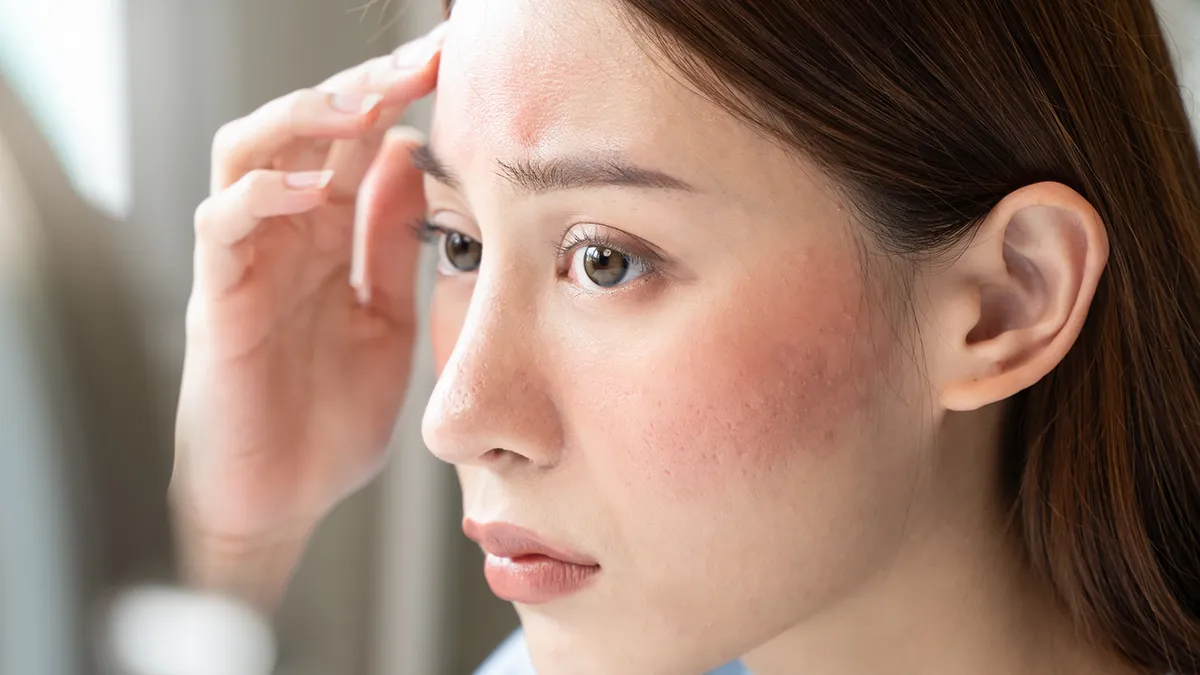
Does red light therapy make your skin red? It can, and often does to a degree, but redness alone doesn't necessarily mean you've got a red light burn on your face. The redness is a normal reaction of living tissue to improved microcirculation (just like during a massage) and boosted ATP (cell energy) production in the mitochondria. Temporary flushing can also result from warmth on cold skin, mask pressure (especially if it is rigid), pre-existing skin irritation, or contact with device materials that do not sit well with your skin.
Skin reactions and their causes
Mild, temporary redness after red light therapy
Reason
Often comes from increased blood flow or warmth and is a normal reaction as blood vessels widen and more blood flows to the skin's surface, like after a hot shower.
Solution
It should settle as your skin cools. Irritation is very unlikely.
Stinging or tightness
Reason
This may stem from irritation. We’ve all overdone a scrub or stayed in the sun for too long and know how irritation feels.
Solution
Pause your treatments for a few days and use a barrier-protecting, calming skincare routine until your skin feels comfortable again.
Itching or small bumps
Reason
These may mean you have contact irritation or an allergic reaction. It may not be red initially, but it could be the device material or an ingredient in a topical product.
Solution
Stop using the device immediately and let the skin recover. Seek medical advice if the symptoms persist.
Pain, swelling, or blistering
Reason
These may indicate a burn or a more serious skin reaction.
Solution
Stop treatment and talk to your dermatologist rather than trying to treat the reaction yourself. Fiddling with a burn can make things worse.
The AAD says that redness that worsens, becomes painful, or develops blisters shouldn't be dismissed as normal.
Consider where irritation appears:
- Widespread facial redness may indicate flushing or an inflammatory response.
- Redness around the nose or cheeks may result from mask pressure.
- Irritation along the strap line may indicate friction.
- Itching or bumps where the mask touches your skin may suggest contact irritation or an allergic reaction.
Your skincare routine matters, too. Retinoids, exfoliating acids, benzoyl peroxide, and serums you’ve never tried before can irritate the skin on their own. When introducing a new therapy, keep the routine very simple rather than introducing multiple new items at once.
How long does redness last?
We are all unique, and our skin is different, so there isn't one universal timeframe for how long redness will last for you. There are just so many factors we cannot know about your specific device, its power and quality, your skin type, and additional treatments or topicals you use alongside red light therapy.

But let’s ballpark it. Mild flushing that gradually fades can last anywhere from 20 minutes to 2 hours. If the redness returns stronger after every session, take a break and consider whether your device, skincare routine, or treatment frequency could be the reason (like using abrasive scrubs around the time of treatment or aggressive chemical peels, pressing too hard, or using the device longer than the manufacturer recommends).
If you’ve entered the zone of mild to moderate irritation, you can expect the redness to clear within a few hours to 24 hours. If it persists for 24-48 hours, it's time to talk to someone about it.
Can red light therapy make your skin more sensitive?
Yes, it can, but it's usually temporary. Some people may feel transient tightness, stinging, or discomfort after treatment, and it’s important to remember this doesn't mean you damaged your skin. Often it's just a part of the process. Even when you’re exercising, a muscle grows by creating micro-tears in the existing muscle that fill in with new protein. Controlled destruction is often the way forward; like for example, microneedling.
Not all redness and irritation necessarily means photosensitivity (an abnormal or increased reaction to light exposure). Sometimes it is simply because your skin is sensitive enough to react to anything, even delicate things like cotton pads or a lukewarm water splash. Sensitive skin is just very reactive to everything, from products to friction and temperature changes.
Who should not use red light therapy?
Conditions such as lupus and certain light-sensitive skin disorders may make light-based treatments unsuitable. Some medications can also increase sensitivity to particular wavelengths, so some people are at much higher risk of skin irritation with red light therapy. The AAD recommends consulting your doctor or dermatologist if you have a photosensitivity condition or take medication that may interact with red light therapy. You can find a more detailed guide on who should not use red light therapy here, but the shorthand on who should avoid light therapies is:
- People with active skin cancer or a history of skin cancer
- Those with photosensitive conditions such as lupus or porphyria
- Individuals taking photosensitizing medications (e.g., tetracycline, doxycycline, lithium, some antipsychotics)
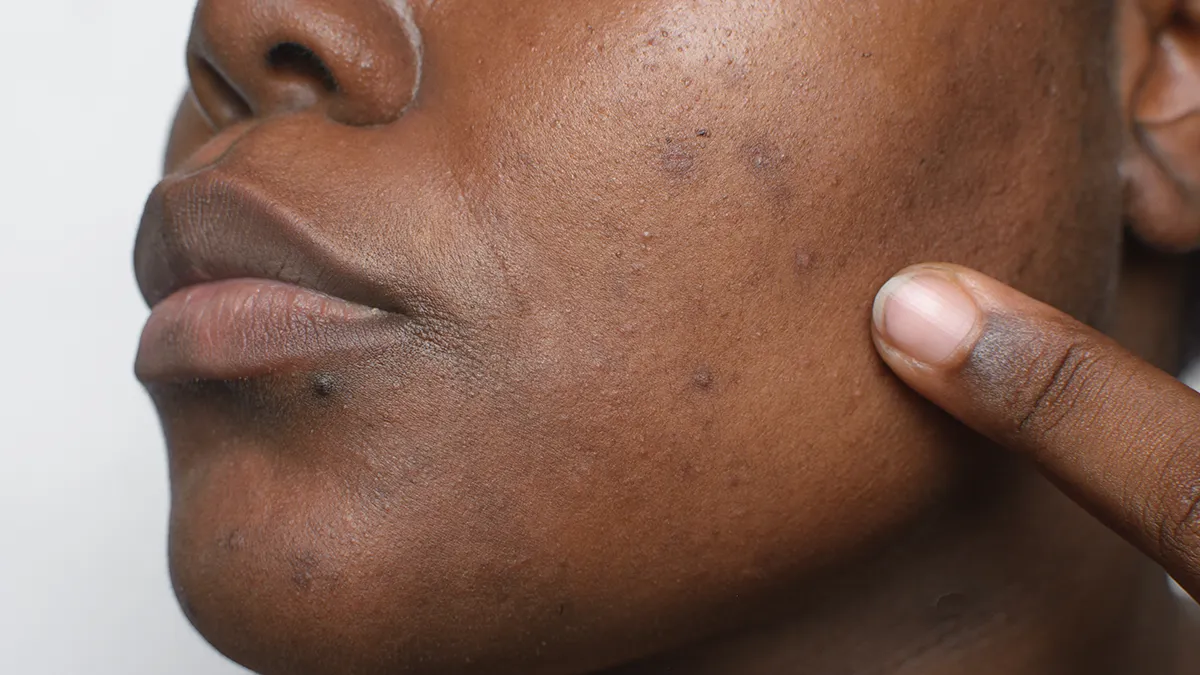
- People of darker skin tones may be prone to hyperpigmentation
- Pregnant women, due to limited long-term safety data
- Those with open wounds or skin lesions
- People with eye conditions or vision problems
What to do if you suspect a burn?
First, momma didn't raise no fool. Stop using the device immediately until you figure out what is happening. Then have yourself a little investigation, establish the severity of the problem, and follow NHS guidance on burns and scalds and British Red Cross first-aid recommendations.
For mild redness or stinging
- Stop the session: remove the mask, or turn off the handheld device or LED panel
- Let your skin cool naturally; don’t force cool with ice or cold water
- Avoid hot showers, saunas, and additional heat; this applies to all irritations or suspected burns in general
- Use a gentle cleanser and fragrance-free moisturizer if tolerated; skip the harsher stuff until your skin fully recovers
- Temporarily avoid retinoids, exfoliating acids, and other irritating skincare ingredients. They are totally fine for non-irritated skin, but compromised skin may have a harder time dealing with these irritants.
If symptoms persist, worsen, or develop into a rash, consult a dermatologist.
If you suspect a facial burn
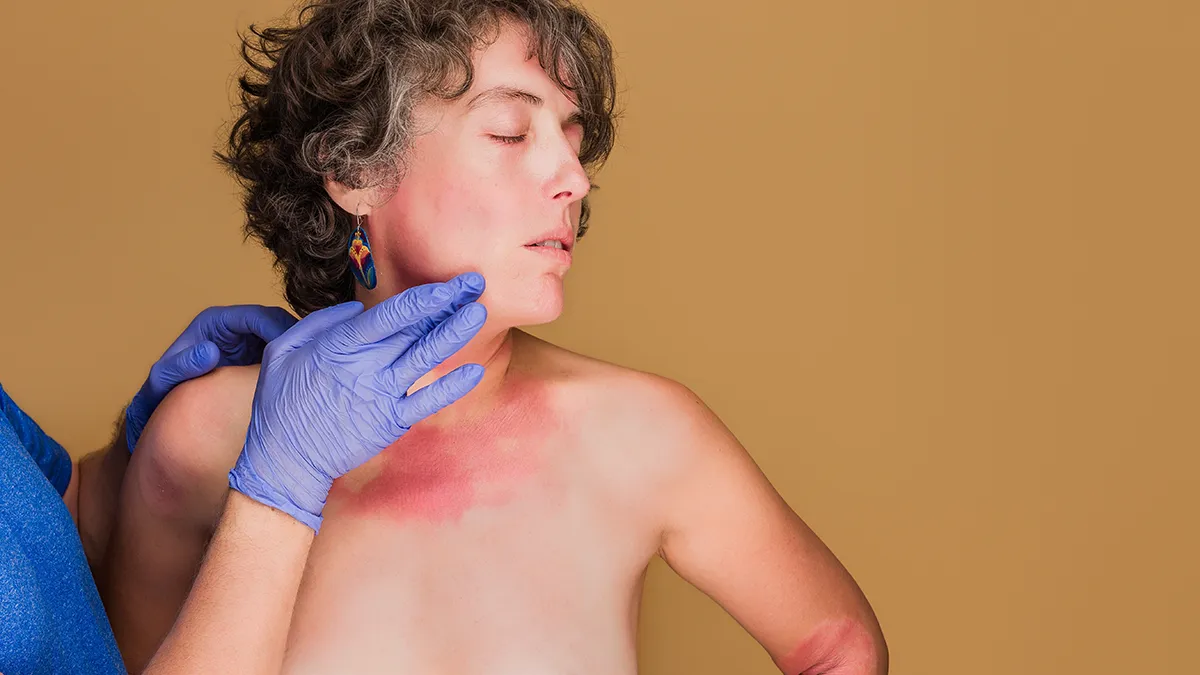
Significant pain, swelling, blistering, peeling, or visible skin damage is no joke. Pay more attention than with a simple irritation.
Follow these steps:
- Stop treatment immediately and don’t use the device again until you get your injury checked.
- Cool the affected skin. For a suspected thermal burn, use cool running water for around 20 minutes. Never use ice as the temperature fluctuation may be too great.
- Avoid DIY remedies. Don't apply butter, oils, toothpaste, or essential oils. Don't pop blisters. Don’t use any folk remedy until you know what you’re dealing with.
- You don’t want an infection on top of the burn.
- Go see your doctor. And don't dilly dally; go as soon as you can, particularly if there is blistering or significant pain.
- Get emergency help for eye involvement, extensive burns, severe swelling, or breathing difficulties. These require urgent attention and are a job for the ER.
How to prevent future irritation?
As the old wisdom goes, a bit of prevention is worth far more than buckets of cure. Ideally, take a few simple steps to avoid getting yourself into a situation where you irritate, or potentially burn, your skin with a treatment designed to help it heal, revitalize, and look fresher and younger.
1. Follow the manufacturer's instructions.
This is rule #1, always, for every device you include in your life and skincare. We all know how to use a toaster in theory, but in practice, brands offer different power and features for each device. Similarly, at-home light therapy devices vary wildly in treatment duration, intensity, and light wavelengths. This is why it is crucial to read the instructions for use on a case-by-case basis. Never ever copy settings from another brand.
2. Don't increase exposure unnecessarily.
It's human nature to think that if a little is good, more must be better. We’re just wired for these kinds of intuitions, which served us well during evolutionary survival, where we fought for every calorie. But we are not talking about survival, but thriving here. Don’t overdo your treatment. Photobiomodulation is dose-dependent, and more light doesn't automatically mean better results, as we’ve explained in the biphasic response story above.
3. Maintain the correct distance.
Every device will have a correct distance in the instructions for use. LED masks and handheld red light devices are mostly used in contact with skin, but red light panels vary from 20- 30 cm to up to 2m from the light source.
4. Check your skincare routine.
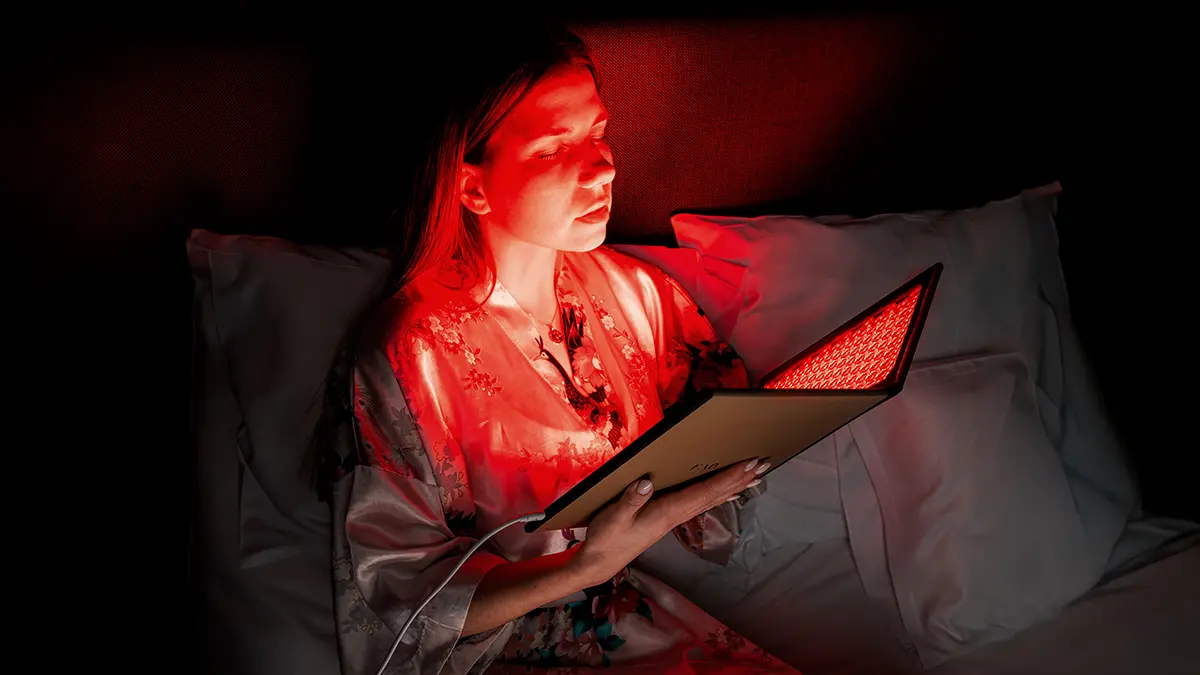
Most devices advise using them on clean, dry skin and avoiding treatment when your skin is already irritated. Also, don’t use harsh chemicals or mechanical processes directly before or after the red light therapy. If you’re going to combine skincare with light therapy, choose skincare developed specifically for this purpose, like red light serums or translucent hydrogel glass skin masks, which enhance the effects of red light therapy and have no light-sensitive ingredients. After the treatment, always focus on gentle, calming, and moisturizing skincare.
5. Protect your eyes.
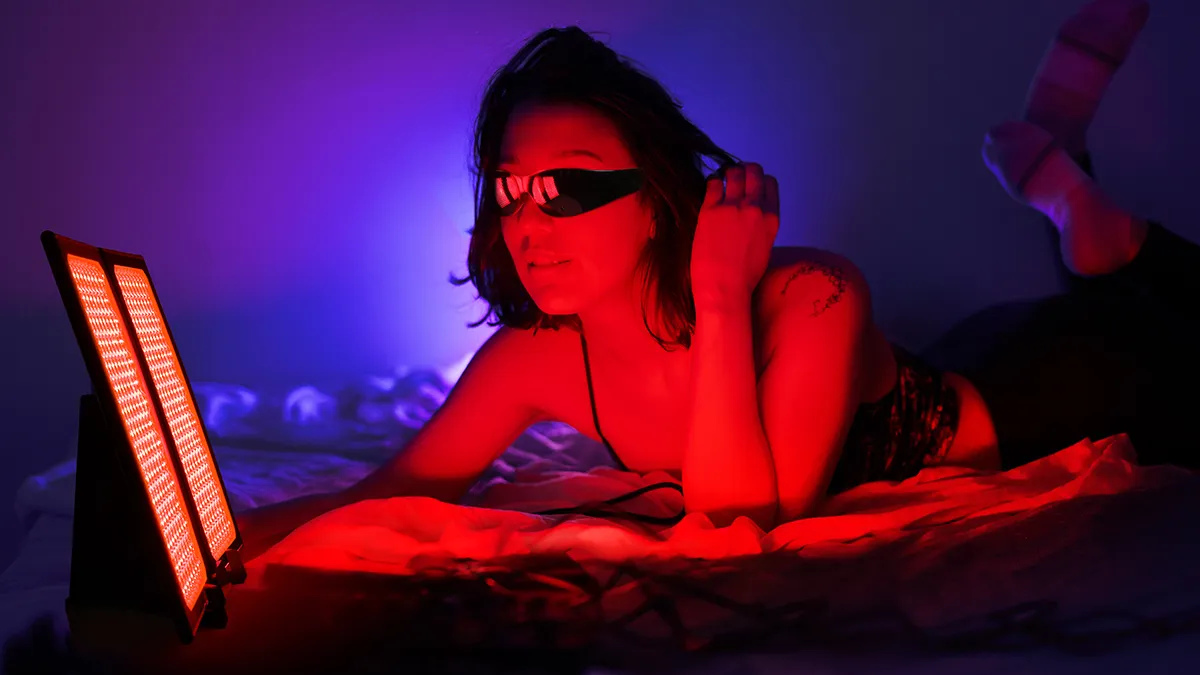
Is red light dangerous for the eyes? This will depend on the type and power of the device you own. Some of the latest devices already have built-in eye shields or safeties, like the light not turning on until the device is in full contact with the skin. If your device doesn't have this, use the protective eyewear supplied or recommended by the manufacturer. Don't assume closing your eyes or wearing ordinary sunglasses is sufficient, and this mostly goes for powerful panels.
6. Watch for excessive heat.
You should feel comfortably warm, never uncomfortably hot. Watch for hot spots or malfunctioning components, which are definite reasons to stop treatment; check whether you did everything right or if your device may be malfunctioning.
7. Choose a reputable device.
There is always the temptation to buy the cheap option and save some cash, but you’re better off waiting for seasonal deals on proven, quality brands, which can be up to 50% for Black Friday and birthday deals. Look for a brand that provides clear safety information, has appropriate regulatory clearance, like FDA-cleared, transparent technical specifications, and detailed instructions on how to use their devices.
Frequently asked questions
Can a red light mask trigger rosacea?
Potentially. Rosacea is an inflammatory skin condition that manifests as facial redness, flushing, and, in some people, acne-like bumps. Although red light therapy has anti-inflammatory effects, evidence for treating rosacea specifically is still developing. If your device gives you a flare-up, talk to a dermatologist.
Can near-infrared light therapy burn your skin?
Near-infrared and IR light are invisible to the human eye and can penetrate deeper into tissue than visible red light and can produce more heat energy. Still, near-infrared therapy isn't automatically more dangerous, and it also depends on factors such as wavelength, irradiance, treatment duration, distance, and device design.
What are the signs of too much red light therapy?
Warning signs include persistent redness, itching, stinging, skin tightness, increasing tenderness, swelling, and blistering.
Can red light therapy damage skin?
Yes, red light therapy can damage skin through temporary irritation, inflammatory reactions, thermal injury, and pigmentation changes in susceptible individuals.
Is skin burning after red light therapy normal?
No. Mild warmth may occur, but treatment shouldn't feel like it's burning your skin. Skin burning after red light therapy could indicate irritation, sensitivity, or a possible thermal injury.
Does red light therapy make your skin red?
Yes, and that is nothing to worry about. Temporary flushing can occur as part of the treatment and should fade in about 20 minutes to 2 hours.

Will red light therapy give me a sunburn?
No, it won’t. While you may get a thermal burn, red light therapy doesn't use the UV radiation responsible for conventional sunburn.
Can I use red light therapy every day?
Depends on which device you have. Some devices are designed for daily use, while others recommend fewer sessions each week. Follow the schedule instructions for your particular mask or panel rather.
Can I apply moisturizer after red light therapy?
Generally, yes. A gentle, fragrance-free moisturizer or a barrier-protecting mist is usually suitable and very welcome, but don’t put anything on the skin if you suspect a burn; talk to a medical professional first.
Are red light therapy results real?
Studies have shown very promising results for improving skin texture, wrinkles, and other signs of aging, as well as for skin recovery in general, lowering inflammation, and stimulating hair growth, although outcomes vary from person to person.
When is it safe to start using your device again after irritation?
If mild redness has completely disappeared and your skin feels normal, you may resume the treatments. If irritation keeps returning, seek advice from a dermatologist.
If you suspect a burn, wait until a healthcare professional has assessed the injury and confirmed that treatment can safely resume.
Conclusion
So, can red light therapy burn your skin? Yes, but it's highly unlikely if you use a quality device as the manufacturer recommends. Unlike UV light, red light therapy doesn't cause a traditional sunburn; it is gentle, non-invasive, and most people tolerate it super well. But gentle doesn't mean completely risk-free, and your skin isn't a fan of the “more is more” philosophy. It likes homeostasis, balance, more than anything.

Please stick to the recommended treatment times, don't crank up the exposure hoping for faster results, protect your eyes, and watch how your skin responds. A little temporary pinkness is usually nothing to panic about; persistent redness, pain, swelling, or blistering is a different story. Stop treatment and get medical advice if those symptoms appear.
The goal is to help your skin restore and heal, gently, sustainably, and with truly visible results, which is why you’re getting the device in the first place. Don’t ruin it with impatience. Choose a reputable device, follow instructions, and let consistency do the heavy lifting. Remember: more red light doesn't mean better results. Your skin has limits, and respecting them is part of using red light therapy safely.
There you have it. I hope you’ve learned something new today. Stay cool, curious, and enjoy living in your gorgeous skin.





Leave a comment