16 min read
RLT for Skin TLC: Science-Backed Look at Red Light Therapy Benefits

Red light therapy (RLT), which we now know and love, has come out of an unusual scientific chain of events, including bald mice and potatoes in space. After all of the bloodletting (anesthesia-less) barbaric practices throughout the checkered history of the medical profession and skincare that killed its patrons, who would have ever thought that something as harmless and simple as red light could go neck to neck with more radical (and painful) interventions in cosmetics and health? Red light therapy works by using specific wavelengths of red and near-infrared light to stimulate cellular function, promoting healing and rejuvenation, and is used in various branches of medicine, physiotherapy, skincare, and wellness circles for everything from wrinkles, psoriasis, and acne to pain management and hair regrowth. It is known by many names in the literature, but just as the Shakespeares rose, it's essence does not chnage called by any other name. If you see any of these:
- Low-level laser light therapy
- Low-power laser therapy
- Non-thermal LED light
- Soft laser therapy
- Cold laser therapy
- Biostimulation
- Photonic stimulation
- Photobiomodulation
- Phototherapy
You may safely put it all into the light therapy brain box and treat it the same. The "red" part of red light therapy refers only to a specific wavelength range that has received a lot of attention for its role in skin restoration.
There are a lot of positive effects of red light therapy, and new treatment options are being developed as we speak. But, while some mechanisms or RLT are very well understood, others need more scientific research. Today, you're here to learn the basics and delve into the proven science, red light therapy benefits, applications, and possible safety considerations. We'd like you to be excited about new opportunities, but we'd also be realistic about what to expect.
Science Angle: What Does Red Light Therapy Do?
Well, the layman's answer would be that red light therapy makes (a lot of) things better, but the science of red light therapy would be a bit more precise.
Red light therapy uses wavelengths of red (630nm and 700nm, with 660nm being the most common) or near-infrared light (NIR; 800nm to 850nm), chosen because they can penetrate skin and tissues anywhere from 1mm to 50mm. NIR penetrates deeper than red spectrum wavelengths and might be a better choice for healing and recovery of muscles and pain relief. In comparison, red light is a better choice for surface skin issues like acne inflammation, psoriasis, fine lines and wrinkles, and collagen rebuilding.
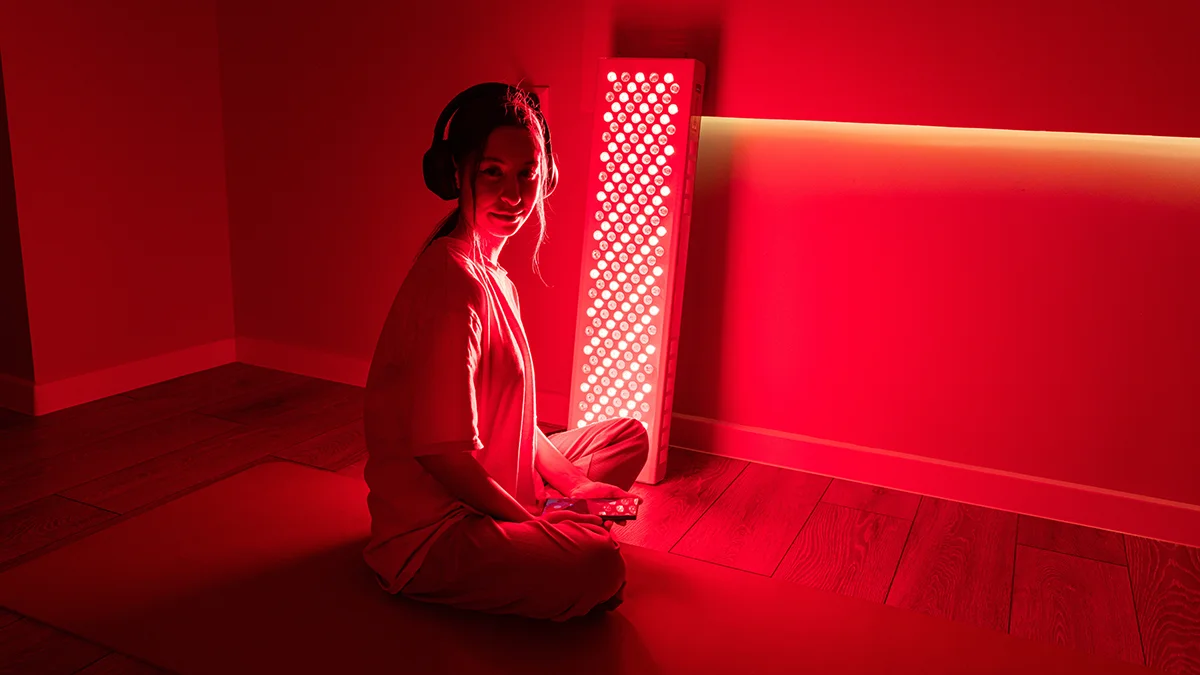
Both approaches have their merit and affect the mitochondria in the cells. If you allow yourself a short flashback to high school bio classes, you'll remember that mitochondria are microscopic, bean-shaped cell organelles that produce energy. The stimulation of mitochondria by RLT entices the production of the most precious molecule that keeps us alive - adenosine triphosphate (ATP) - boosting cellular energy, improving cell functioning, and promoting healing and regeneration. Basically, if your cells decided they're tired of making ATP (through burning nutrients in the presence of oxygen), you'd be pretty much dead instantly. Cyanide, for example, stops ATP production. Red blood cells are the only cells in the body that don't have mitochondria and don't burn oxygen and food for energy. It is logical. Red blood cells carry a lot of oxygen around, and it would be silly if they burned half of it before delivering it to their final destination. It's like a friend telling you that they've baked you a cake and they're bringing it over, but then they eat most of it on the way before they ring the doorbell. You'd hate their crumb-covered face.
People do have reservations when it comes to light therapies because UV radiation and melanoma risk association are always nestled somewhere in the back of our minds, as they should be. So, is red light therapy the same as UV light? Unlike ultraviolet (UV) light, which can seriously damage the skin and mutate cells, RLT does not cause burns or DNA damage. Red light therapy is also distinct from infrared therapy, which uses longer wavelengths to generate heat, and blue light therapy, commonly used to treat acne by targeting bacteria.
Real Advantages of Red Light Therapy
Research has explored various positive effects of red light therapy, including:
Skin Health & Rejuvenation
We can pretend we came to red light therapy for some lofty goal of ultimate well-being and longevity and concern for our health, but the truth is that most people discover it in pursuit of purely aesthetic ideals. That is not shallow. It is just human, and being humans, nothing human is alien to us, as the Roman playwright Terence said.
Red light therapy has a great effect on collagen, one of the building proteins that gives our skin that fresh, plump, and youthful vigor, whether we're treating our face, neck, décolleté, or hands. It can also improve skin tone, reduce wrinkles, and help fade scarring, as Alexander Wunsch and Kartsen Matuscha found in their 2014 study published in Photomedicine and Laser Surgery.
In a study, "Reverse skin aging signs by red light photobiomodulation" by Couturaud V, Le Fur M, Pelletier M, Granotier F, the researchers assessed the effectiveness of a red light therapy mask after three months of use. The treatments were performed twice a week for 12 minutes, using 630 ± 10 nm red light with a power output of 15.6 J/cm2. As expected and consistent with scientific data, they recorded significant improvements in skin quality and a reduction in visible signs of aging. Better yet, since red light therapy affects cellular processes and structural components like collagen, the results lasted for up to a month after treatment ended.
Hair & Scalp Health
There is rarely a moment so gut-wrenching, ego and self-image crushing than when you notice that hairline receding for the first time, when you notice the parting widening, and see your scalp abundantly through the rarefied follicle crops, or see that drain clogged by unnatural amounts of dead hair remnants.
Some studies suggest that red light therapy can improve mitochondrial function and stimulate hair growth in individuals with androgenetic alopecia. We can't help but be attached to our hair, all the more so when it's cutting all ties with our scalp. Pillai JK, Mysore V. did a study "Role of Low-Level Light Therapy (LLLT) in Androgenetic Alopecia", which is a hereditary and hormonal hair loss. You did nothing wrong here, just got a bad draw in the genetic poker, but that does not mean you should fold and accept your Uncle Fester fate. The research showed that consistent red light treatments regrew hair and improved it by increasing hair thickness and length. Red light therapy for hair growth may be as effective as minoxidil, the most popular medication for hair loss, and can be used alongside it.
Pain Relief & Inflammation
Some pain in life is inevitable, even in good and beautiful things such as childbirth and personal growth, but these are transitory, unlike the pain and aches associated with chronic inflammatory conditions.
Everything with the suffix "-itis" has some connection to inflammation, usually chronic. RLT has successfully been used to alleviate joint pain and reduce inflammation in conditions like arthritis (there's the –itis), according to the 2021 study by Marcelo F. de Oliveira et al.
In "Efficacy of Photobiomodulation Therapy in the Treatment of Pain and Inflammation: A Literature Review" from 2023, the authors examined how well photobiomodulation can treat chronic (long-term, repeated) and acute (temporary, one-off) pain. They found that there was a significant improvement when it comes to pain from fibromyalgia, osteoarthritis in the knee, low back pain, and post-surgery pain. They've also concluded that if you have chronic pain, this could return if you stopped your light therapy for a few weeks, so it may be better to consider it a lifestyle and keep up the improvements.
Sleep & Mental Wellness
Studies have proven that evening exposure to blue light delays sleep onset and reduces sleep quality. All bright light before bed will have some impact on delaying sleep and influencing sleep architecture, but blue light is particularly effective at suppressing melatonin production, as shown in a 2025 study comparing the effects of blue and orange light on sleep patterns.
Unlike blue (or overly bright) light that we usually associate with sleep disturbances, exposure to red light may improve sleep quality and mood by influencing melatonin production, according to a study conducted on 20 female athletes. Melatonin is the hormone our body naturally produces as the day comes to an end, so we can recover in a deep, restful sleep, because the sole action of living (breathing, eating, doing stuff) is inherently damaging to the system.
Melatonin follows a curve, gradually increasing as the days draw to an end, and giving way to cortisol, which rises in the early morning to wake us up and keep us alert. As cortisol levels drop throughout the day, melatonin begins to rise again (if we don't block it) come nightfall. The proven efficacy of red light therapy has led to an influx of at-home red light devices designed to serve as a good night light or a morning wake-up alarm, such as the UFO™ LED Lighthouse, that help regulate circadian rhythms and therefore mood stability throughout the day.
Cognitive Functions
Losing one's faculties is a disaster, a tragedy on a personal and social scale, where the threads of who we are, our character, memories, and knowledge start to fray and disintegrate. I know we all want to look attractive and youthful, but remember this: our bodies are the least interesting thing about us. There are whole worlds inside that get erased as cognitive decline revs up, and it's very possible that the problem is in the mitochondria, as the brain consumes abotu 20% of the body's energy, although it makes just about 2-3% of body mass. This is the likely mechanism by which red light therapy helps here.
Red light therapy has been used in headsets and helmets, usually with deeper-penetrating NIR light to reach the brain through the skull. A review, "Photobiomodulation Therapy for Dementia: A Systematic Review of Pre-Clinical and Clinical Studies", looked at 36 preclinical and clinical studies and explained the benefits of intranasal (through the nose) and transcranial (through the skull) red light therapy for people with dementia. The study showed significant improvements in cognitive function.
The findings were repeated in a 2021 study, "Transcranial Near Infrared Light Stimulations Improve Cognition in Patients with Dementia". This one took people with mild to moderate dementia and used 6 minutes of light therapy daily over eight weeks, confirming cognitive improvements and no adverse effects. Patients had improved cognition and engagement in daily routine activities, improved sleep quality, fewer nightmares, greater physical and mental energy, improved mood, and did better at cognitive tests.
Other Emerging Applications
There is a lot of new research budding on the cellular benefits of red light therapy, such as red light therapy benefits for fertility (where you can find the story of bald mice and potatoes in space from the intro) because the therapy is so well tolerated and non-invasive, but many areas need more research, which is why we didn't go deeper into these here. Red light therapy also seems to have some potential in managing issues like thyroid function, cognitive health decline, gum disease, and vitiligo.

How Red Light Therapy Helps Face & Body
The advantages of red light therapy for the face and body directly result from how the light interacts with the cells that make up your skin, pulling strings behind the curtain and "injecting" energy to stimulate, repair, and restore cellular function and tissue health. The three key mechanisms to remember are:
Stimulating Collagen Production
We do love our collagen in every shape and size, and it's ridiculously important for everything from skin structure, joint health, wound healing, and overall integrity of tissues in our body. No collagen would make you a shaky, fragile, wrinkled, easily collapsible mass waiting to fall apart, in pain and discomfort. Red light therapy boosts collagen synthesis to help restore firm, youthful skin. Collagen is a structural protein that naturally declines with age, leading to sagging, wrinkles, and fine lines, so be aware that red light therapy cannot make 60 look 30 again, but it can make skin look younger and healthier and significantly slow down further decline. Red light therapy is also great when used in combination with some topicals, such as the new translucent glass skin masks.
Red and near-infrared light energizes fibroblasts—cells responsible for producing collagen and elastin—and when supplemented with increased ATP (cellular energy), these cells become more efficient, resulting in visible improvements in skin tone and texture, as well as the fading of crow's feet and laugh lines.
Reducing Inflammation
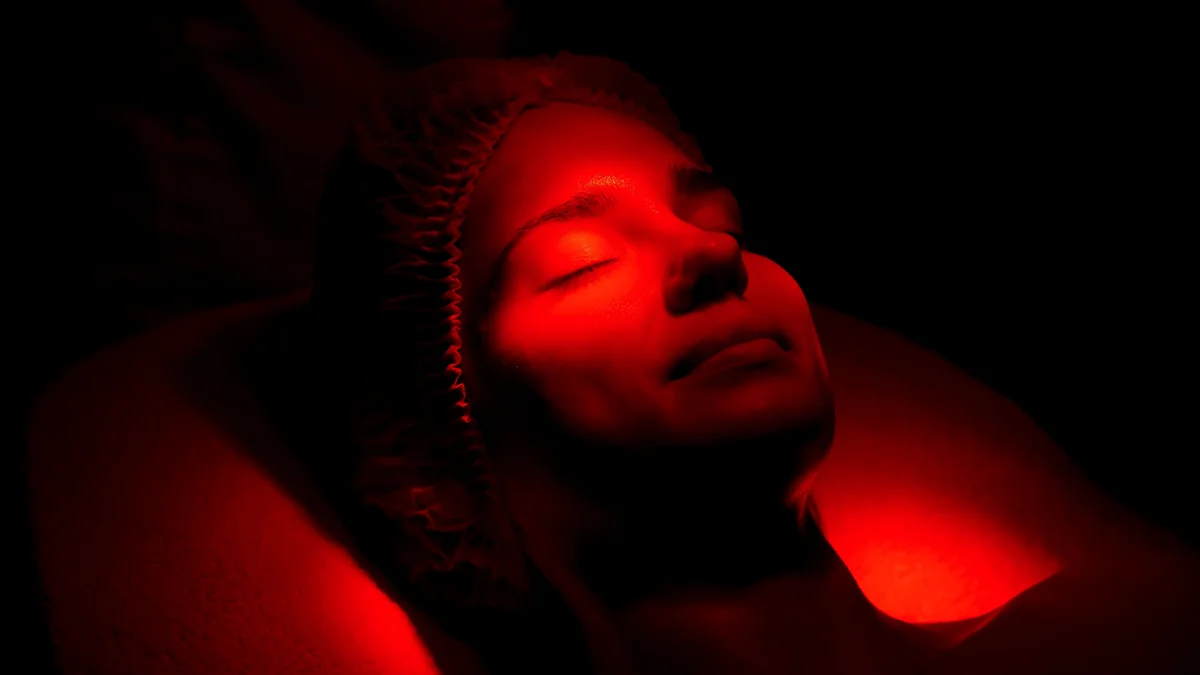
Controlled inflammation is a very valuable element of the immune response that keeps us alive while facing the pathogenic milieu roaming outside of our body. But when the inflammation gets out of control and goes chronic, we have a problem that will manifest in skin deterioration, as the body will not waste energy on repair because fighting the inflammation is a more important cause. Red light therapy has a soothing anti-inflammatory effect on the skin, making it very helpful for chronic and recurring inflammatory skin conditions like acne, rosacea, eczema, and psoriasis. This will speed up healing and reduce flare-ups, puffiness, red patches, post-acne inflammation, and even out skin tone.
Intra and extra-cellular benefits of red light therapy:
- Modulating the immune response
- Reducing the production of pro-inflammatory cytokines
- Increasing microcirculation, which supports detoxification
Improving Circulation
Circulation is somehow always associated with old people talking about health or the ice-cold feet of your (obviously zombie) partner touching you below the sheets. But a good circulation is one of the pillars of healthy skin, as good blood flow delivers nutrients and oxygen to every single skin cell while flushing out toxins. Red light treatments dilate blood vessels and stimulate angiogenesis (the formation of new capillaries), leading to increased blood flow in the areas you choose to treat, brightening, reducing puffiness and dark circles, and speeding up healing for a bright, healthy glow you usually need a good (microcirculation-boosting) facial to see.

But keep in mind that uncontrolled angiogenesis is not a good thing; that's how cancer cells hijack the blood supply to gulp down blood sugar, which is why any cancerous states may want to avoid RLT as an anti-cancer therapy, while there is some evidence that RLT is beneficial for post-chemo recovery.
Red light therapy has also shown success and can be a complementary treatment in some specific skin concerns, such as:
- Acne: RLT may reduce inflammation, decrease oiliness, decrease the number of acne lesions, and promote healing to rid you of this horror that should have remained somewhere in your sophomore year.
- Eczema & Psoriasis: RLT can alleviate the uncomfortable and visible symptoms of eczema and psoriasis by reducing inflammation.
- Acne Scars: Promotes tissue repair and reduces scarring as new healthy cells come to the surface.
- Rosacea: Uncomfortable and persistent redness and inflammation can be greatly helped by RLT.
Safety, Risks, and Contraindications
Is red light therapy safe? Yes, it is quite safe. When it comes to therapies and especially such a versatile one, it is surprisingly safe with very few, rare side effects reported. We live with light on this earth, and our bodies know what to do with it. RLT is non-invasive and well-tolerated when used appropriately for the condition or symptom we'd like to treat and when the guidelines for the red light therapy device are followed
Side effects are very few, and the main ones include:
- Eye Exposure: Direct exposure can cause eye strain or damage, although many at-home devices are designed to be safe for non-professionals and don't require glasses. If the at-home device calls for goggles, use them every single time. If your skincare professional asks you to put some on during your treatment, do so.
- Overstimulation: This is due to improper use. Let's say the instructions say 10 minutes of red light therapy every day, but you think doing half an hour a day will speed up the results, so you choose to treat the same spot repeatedly. Excessive use of red light may lead to skin redness or irritation.
Consult a doctor before use if:
- You are pregnant. We're not very fond of experimenting on pregnant women, so there is not enough data to claim LED mask safety.
- You have a history of skin cancer or are taking photosensitizing medications. We've mentioned the capability to stimulate new blood vessel production, which might be a problem.
- You have chronic health conditions that affect skin sensitivity. In this case, the introduction of every new technology, including red light therapy, should be carefully scrutinized.
Is Red Light Therapy for Face Worth It?
It would seem that it is. Users and study participants keep showcasing great red light therapy anti-aging effects and visible cosmetic refinements, such as noticeable improvements in skin texture and tone after consistent use of red light therapy for face. For instance, a study of the American Academy of Dermatology involving 90 participants found that over 90% experienced softer, smoother skin and reduced redness after eight sessions.
The keyword for RLT is consistency. Red light therapy is not a one-time deal; it is not cheap and is mostly not covered by insurance, even for medical purposes outside cosmetic ones. So, exploring the at-home options for light therapy might be a good idea. These devices might not be as powerful as the bulky machines in spas, clinics, and dermatology offices, but they will give you the freedom to make your own schedule and use the device consistently for the price of a single investment. It's also not cheap, so if you're doing this, you need to be consistent and serious about it. Pro sessions will cost anywhere between $25 and $200 per session, depending on the body area you're targeting, the salon quality, and whether you're purchasing single or bulk sessions. The prices of at-home devices vary depending on the size and type of device. It is not the same if you'll go for a small handheld face wand or large dual LED panels, but they typically range between $50 - $500.
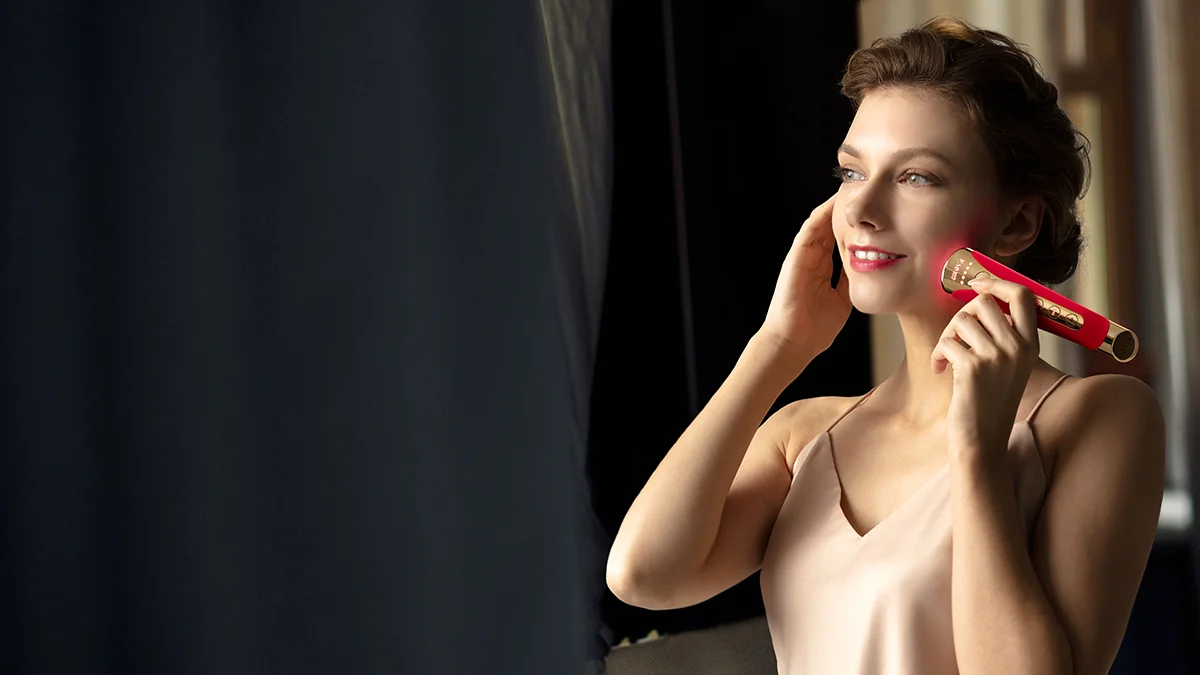
Effective devices for facial use include LED masks and handheld wands, as well as devices for the body areas that easily show signs of aging, such as hands, neck, and décolleté. Do your research and choose quality devices like the FAQ™ Swiss collection's FAQ™ 200 and FAQ™ 100 lines, and the FAQ™ 300 line, which utilizes lasers and red light therapy to help with hair thinning and hair loss.
Advantages of red light therapy encompass a range of applications, from enhancing skin health to aiding in pain management, hair growth, and mental wellness. Some of its effects are better known than others and have a stronger evidence base, but more research is needed to fully understand its capabilities. As with any treatment, what worked for your mom, uncle, friend, or sister may not work the same for you, and there are some people who can't use red light therapy or who need to talk to a physician first. Our bodies are different, and individual results may vary.
There you have it. We hope you've found some helpful information on red light therapy and have a basic grasp of how this light technology works and what it is used for, so you can make some good decisions down the road. Stay curious, stay beautiful, shine your light, and enjoy living in your skin.
What do People Say About Red Light Benefits?
Personally, outside real third-party clinicals, I believe a human assessment of the technology's efficacy is more important than anything any brand says, and you should too. That's why we'll lead you to an interesting Reddit discussion and give you some quotes from official sites as product feedback.
MorningLight on FAQ™ Dual LED Panel
Warsaw
I am in...Europe
Gender Female
Age 25 to 34
5 out of 5 stars.
Better than coffee!
3 months ago
I’m obsessed with how this thing wakes me up. I just sit in front of it for 10 minutes while I start my work day, and it makes me feel so much more alert and focused. It looks like a piece of art on my desk, and my skin has never looked more alive.
Angela on FAQ™ 301
I am in...Europe
Gender Female
Age 25 to 34
5 out of 5 stars.
faq 301
8 months ago
I’m absolutely amazed by this device! After giving birth, I was losing so much hair, but this stopped the shedding—and not just that, my hair started growing back like crazy. The FAQ 301 truly impressed me, and I can’t recommend it enough!
coral_48 on FAQ™ 202 plus
5 out of 5 stars.
Great led mask
a month ago
I've been using this mask for months and I'm really happy with the results. My skin is really smooth and I've noticed that wrinkles around my mouth are almost completely gone, which was the main reason I purchased this mask. I also had some sun discoloration on my upper lip and that's gone and I'm never going out without SPF anymore. I am really dedicated to these treatments and I even noticed that there's improvement and skin firmness. The mask is so comfortable and my favorites are red and nir led light.
Maybe you're more the type to enjoy a proper breakdown of facts, a review that considers various aspects of therapy systematically. For you, longer records of efficacy may be more suitable.
- 6-Month FAQ™ 302 Review: Results, Before and After Photos
- FAQ™ 401 & FAQ™ 402 Clinicals Review
- Detailed FAQ™ 102 Review & User Experience
Bonus Round: FAQ™ Collection
You can check out the entire FAQ™ Collection featuring LED light therapy below.
FAQ™ 100 Collection
- FAQ™ 101 RF & Red Light Wand For Face
- FAQ™ 102 RF, EMS & Red Light Anti-aging Wand For Face
- FAQ™ 103 Diamond-adorned RF, EMS & Red Light Wand
FAQ™ 200 Collection
- FAQ™ 201 Silicone LED Face Mask
- FAQ™ 202 Anti-aging Silicone LED Mask
- FAQ™ 211 Red Light Neck & Décolleté Mask
- FAQ™ 221 Anti-aging Red LED Hand Mask
FAQ™ 300 Collection
- FAQ™ 301 LED Hair Strengthening Scalp Massager
- FAQ™ 302 Laser & LED Hair Regrowth Scalp Massager
FAQ™ 400 Collection
- FAQ™ 401 Dual Microcurrent LED Toning Device
- FAQ™ 402 Dual Microcurrent Red LED Toning Device
- FAQ™ 411 Microcurrent Red LED Body Toning Device
FAQ™ LED Light Therapy Panels





Comments
2 comments
Leave a comment