16 min read
Ozempic Face: "I Was Finally Losing Weight… But Looked Older?!?"

"Wait... do I suddenly look older?" Jan wondered as she caught a glimpse of her deflated self while brushing her teeth before work on a random Tuesday morning. She considered it a cruel optical illusion created by the least forgiving bathroom lighting known to man, but no.
She smiled, not out of joy. Then frowned, out of real concern. A thought started to burrow into that place of the self from where it emerges around 2 AM to ask further uncomfortable questions which you’ve successfully ignored during the day. She made a few more grimaces at her reflection and concluded that, without a doubt, the cheeks of that freshly somewhat lighter woman looked... flatter, empty, and thinner – and not in a good way.
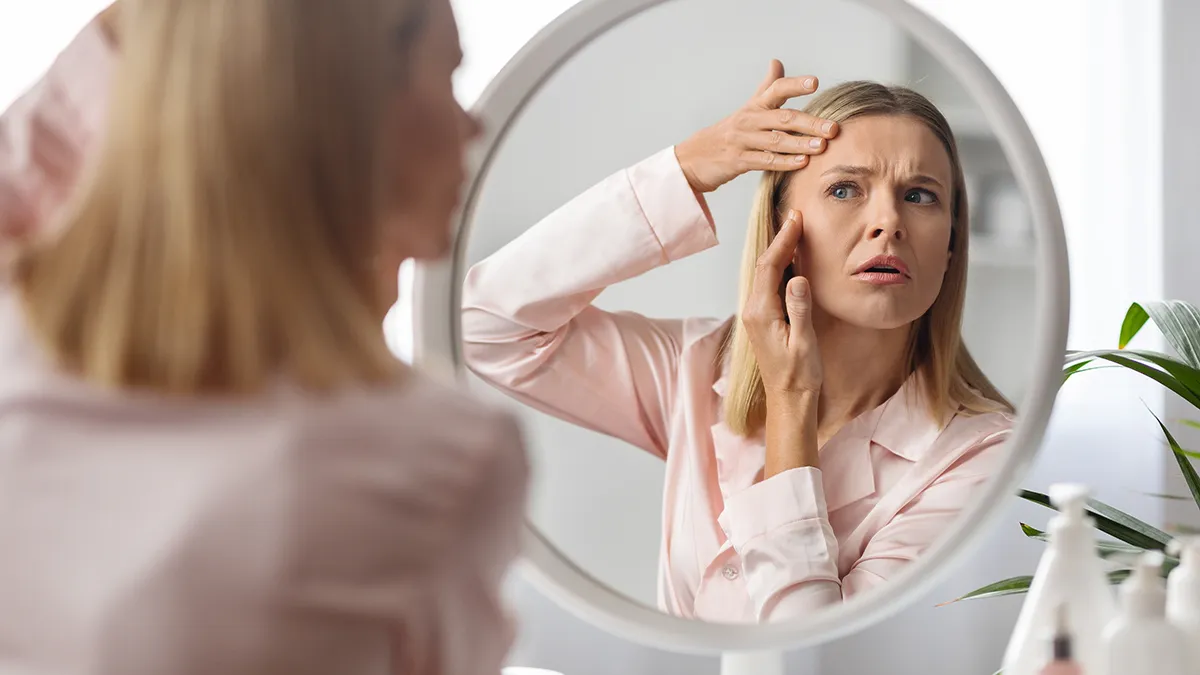
The soft round fullness of a pre-middle-aged, full-time-working mom, that she'd complained about incessantly and despised for years, was suddenly gone. Sure, her jawline looked sharper, which you’d expect after losing 24 pounds on a GLP-1. But things were just off, small things that never happened before when she lost weight slower. The smile lines around her mouth (which she was sort of proud of) seemed deeper and uninviting. Her eyes looked tired, although she slept fine and the skin didn't seem to quite fit her face the way it did before. Like she should go get a smaller size, just like she did with her jeans a couple weeks ago. But jeans are far easier to replace than a face. She went to work but continued ruminating: What is going on? Was this preventable? Will it get worse? Can I fix it?
She’s heard of this before and even researched it, but more in the fun, stalking-celebrities sort of way. This seemed to be the phenomenon that got stuck in our collective new cultural vocabulary as the Ozempic face, although it applies to all GLP-1 drugs. GLP-1 face just doesn’t have the same ring to it, she guessed. Is this it? Did Ozempic age me, or is it just that my last major weight loss was when I was childless and very much younger? Have I just gotten used to my plump round face? All legit questions, quite inappropriate for a Tuesday morning before-work routine when you should be going through the pending presentation in your mind or sorting the day plans out (teeth brushing is the perfect time, plus you get to look yourself in the eyes while doing so and touch base about how you’re doing). But there she was, drooping, wrinkled and confused by what she saw, as the toothpaste-laden drool was cutting a minty path down her hand.
Was Jan losing her compass, just having a bad morning, overworked and exhausted by life demands, with a really bad lightbulb in her bathroom, or is there any truth to GLP-1 muscle loss, resulting in what will forever remain the Ozempic face?
As it usually goes in life, truth is never just either here or there; there are infinite shades of gray and interlocked causes that lead to a final result. Why does Ozempic face happen, can you avoid it, what is the best distilled Reddit community advice, and can you even fix Ozempic face if it happens? This is what we’ll be talking about today to help all of you Jans and Joes out there understand and prevent crappy Tuesday mornings.
What is Ozempic Face?
Well, it is not an official diagnosis, and if you go to your doctor, being all Jan about it, he won’t say you have Ozempic Face (that’s what TikTok will say). The doctor will say you’ve undergone a facial fat loss. But keep in mind that from 20% to 40% of the total weight lost on GLP-1 medications like Ozempic comes from lean mass, including skeletal muscles as well as facial muscles, and the face has a lot of muscles in a small area. A lot.
What Causes Ozempic Face?
No kind of fat loss removes fat selectively from the face, or any other area. This is why you can’t really get rid of belly fat and keep the junk in the trunk by simply eating less. It is not possible for the body to decide to burn the love handles but keep the cheeks. For the body, all of the fat is viewed as a singular storage unit from which to take indiscriminately. Trying to burn just one area while preserving the rest would be like trying to take water only from the left side of the water canister. The water from the right will immediately redistribute.
When you lose fat, you lose it from your entire body, including your face. And facial fat does more than make us look fuller and fresher. When facial fat quickly plummets:
- skin elasticity is tested
- collagen and elastin have less structural support
- the jawline becomes sharper, but the under-eye and cheeks hollow
- facial aging appears to accelerate
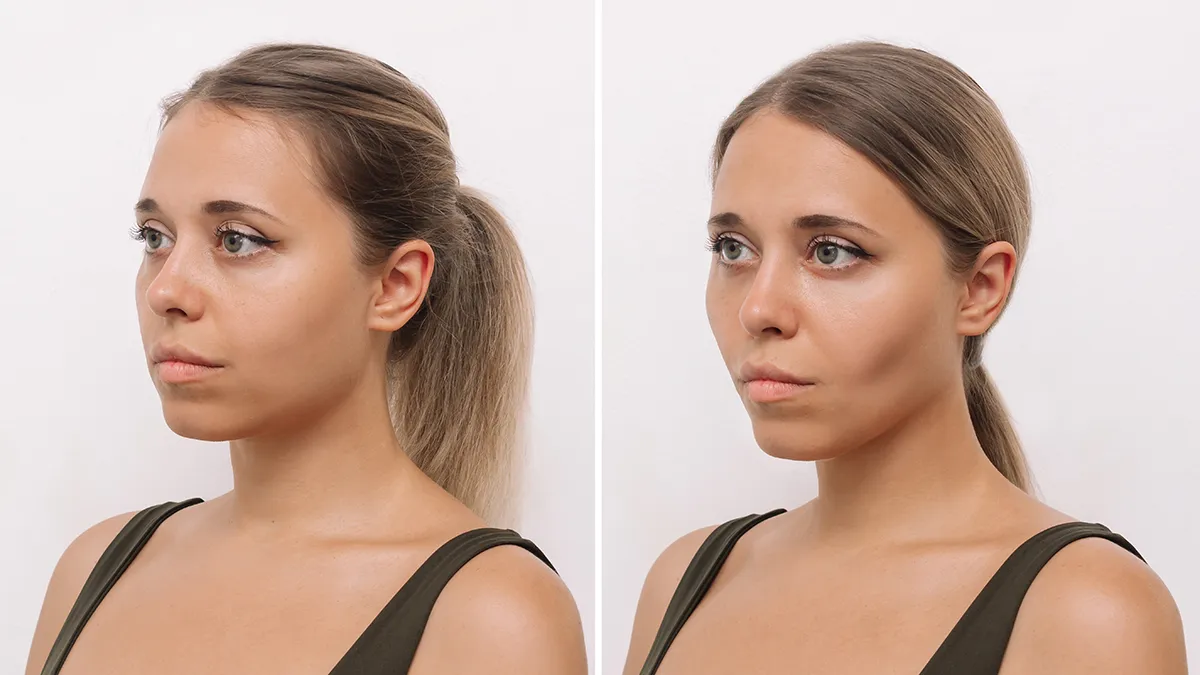
If you're over 35 or 40, you've likely already been gradually losing facial fat due to natural aging, and significant weight loss such as the one bolstered by GLP-1 can simply make that process more noticeable. Nothing new is going on. It is just amplified.
The changes you see are due to:
- Fat Loss: The face loses fat pads that are critical for structure, and you’ll most often notice hollow cheeks and the area under the eyes, which makes people look older, tired, and sickly, even though they are at a healthier weight and perhaps keeping some metabolic or obesity related illness under control.
- Muscle Loss: Muscle is something that the body will use as an alternative fuel in situations like starvation, which it may well think is happening if you have a lot of digestive side effects on GLP-1s. Muscle is also expensive to maintain, and the body operates on a “use it or lose it” principle, because nature is a very practical lady. So if you’re skimping on protein and avoiding resistance training while losing weight due to calorie deficit (which GLP-1 drugs will inevitably produce by reducing hunger and slowing gastric emptying), the body will cannibalize muscle tissue everywhere, face included, as concluded by the 2025 study on GLP-1 muscle loss.
- Loose Skin: The laxity we see in the skin as both fat and muscle shrink is not so much a collagen issue, rather more a result of volume loss below that the skin uses to stay taut. This is why your lines and wrinkles will suddenly seem deeper. Your skin didn’t really age, just lost the structural support.
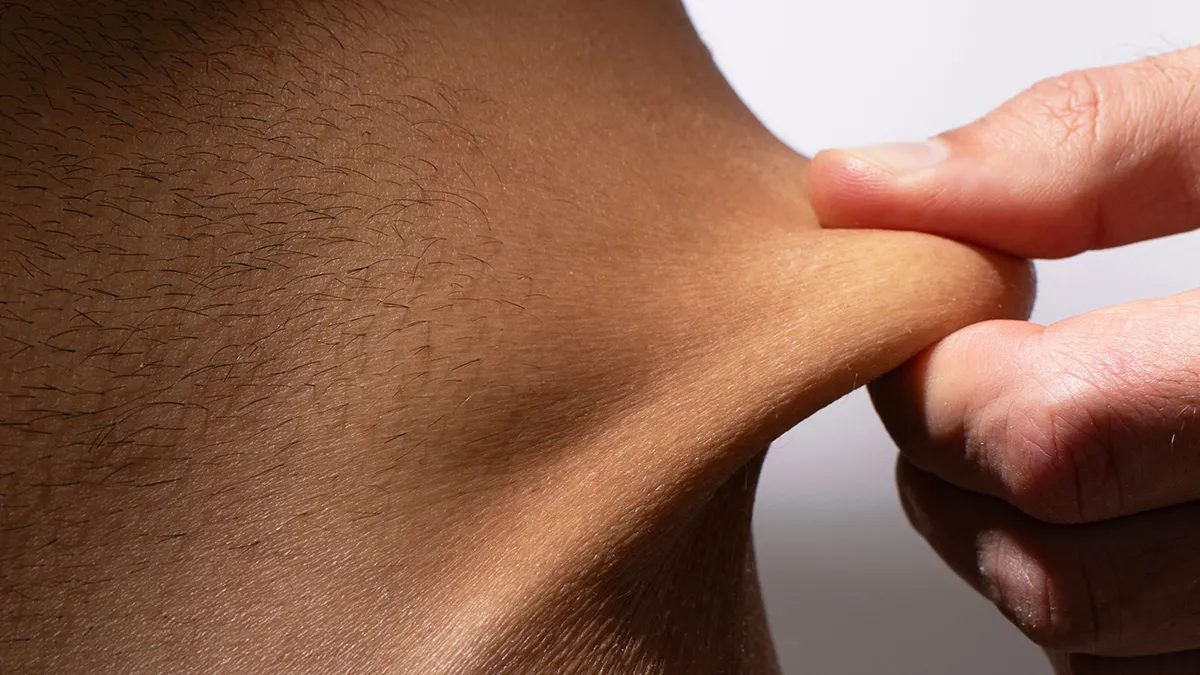
This can happen through various methods of weight loss, whether it's from Ozempic, Wegovy, Mounjaro, bariatric surgery, diet, or simply losing weight on a crash diet with no exercise. It is not exclusive to GLP-1 weight loss.
The defining features of an Ozempic face are:
- sunken cheeks
- facial volume depletion (Imagine a balloon leftover from a party weeks ago that’s now slowly losing air)
- more visible wrinkles and fine-line terrain
- looser skin
- facial sagging
- hollowing at the temples
- more prominent smile lines as cheeks lax
What Was Jan’s Biggest Mistake?
Obsession. Obsession with the number on the scale, and for a legit reason. Jan was never really skinny; she’s always had a bigger frame and has spent her teenage years crash dieting, which threw off her entire metabolism and messed with her basal metabolic rate. Then she lost a lot of weight by working on it damn hard, got pregnant with her now 4-year-old boy, but never quite shook off the baby weight. She didn’t bounce back as she’d hoped, and continued to pile on more pounds each year as the busy schedule of a working mom made room for convenience meals.
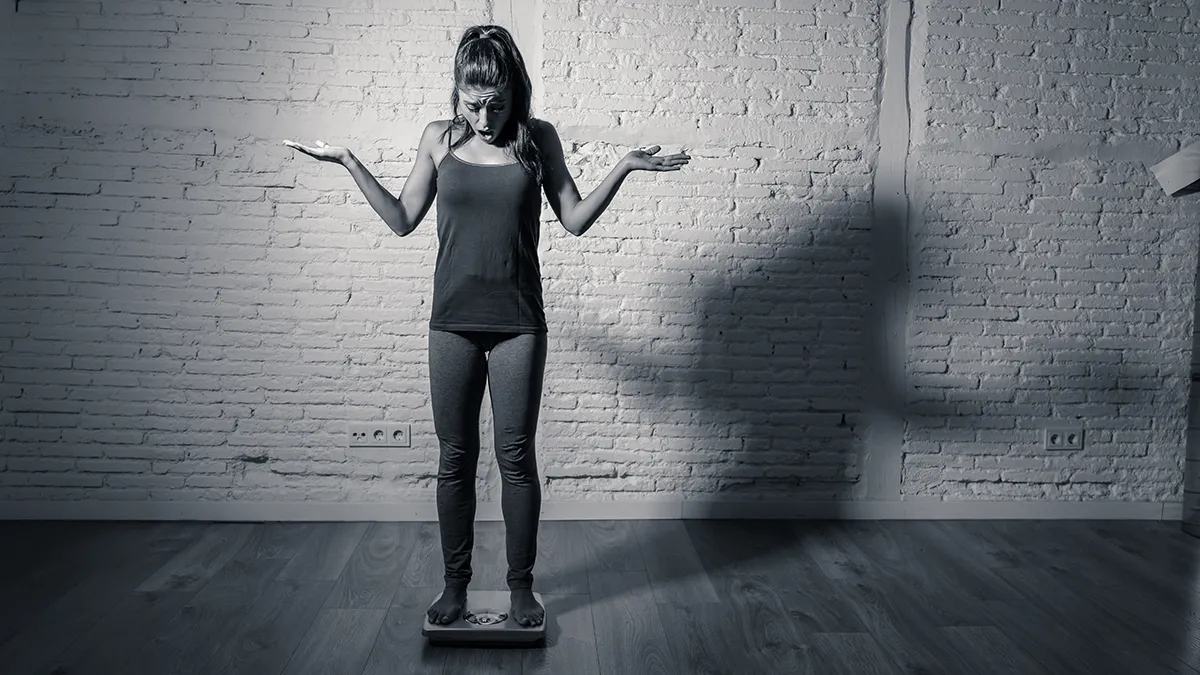
But shedding a few pounds and looking good in a bikini were not the primary drivers of this scale obsession. It was the fatigue and brain fog that got her GP to do some blood tests and a conclusion that she was pre-diabetic, a fact that was made worse by her late diagnosis of PCOS. PCOS makes a large majority of the women who have it significantly more prone to insulin resistance. What she had was a perfect storm of stress, diet, lifestyle, and genetics to make for a miserable, sickly middle age and a tainted golden age. So yes, the scale was important, and GLP-1 was used as a tool and not as much a means to an aesthetic goal. But Jan’s biggest mistake was taking the lifeline to help her lose weight without a grain of salt (not literal salt, although you need that too to keep your electrolytes in check) and relying solely on a medication without fixing the lifestyle issues. The narrative went something like this:
Protein?
"An egg is enough, I’ll eat more tomorrow."
Strength training?
"When I have more energy. My kid has a playdate, and then we have to go shoe shopping"
Water?
I’ve had 4 cups of coffee by noon. Coffee has water. That counts.
Her appetite shrunk, and she started shrinking too. She didn’t really expect so much digestive distress. After all, GLP-1 is something the body also makes on its own. We’re just boosting the dose a bit. Alas, the dose makes the “poison”, as Swiss physician Paracelsus said in the 16th century. He recognized that the world around us consists of tools that are neither good nor bad, and that this quality depends on how we use them and in what amounts. So, Jan did get side effects, see-sawing between diarrhea, constipation, nausea, and constantly feeling like she’d just eaten a whole pot of food that got stuck somewhere midway between the stomach and its final destination.
Despite all of this, buttoning her aspirational jeans from before having a baby made her cry. Despite the discomfort, this was working. Celebrations continued until she noticed an unnatural amount of hair in the drain, until she could no longer keep her eyes open by 11 AM regardless of the coffee shots, and until she met her alter ego in the mirror that Tuesday morning. And the goal shifted from just lowering that number on the scales, to losing fat and trying to keep everything else. The point was now, not to eat the amounts that would leave a toddler hungry, but to make better choices, prioritize protein, and get herself some weights and resistance bands to build and protect the precious muscle.
How to Prevent Ozempic Face?
No shade to Jan; we’ve all been her at some point. We’ve all hit a wall, got a scare, chose the easy way out that backfired, as easy ways out tend to do. Does this mean GLP-1 is a bad and unhealthy way to lose weight? No. It means you need to take responsibility and adjust your diet and movement to shed excess while protecting your diet's nutrient profile and actively preventing muscle loss.
So, can you completely prevent Ozempic face even with all these measures? Probably not completely if you lose weight rapidly. Don’t buy the stories and retouched before-and-after Ozempic photos that will make you feel like you’ve failed. Can you reduce the impact and make this journey easier with far less backlash? Absolutely.
Top tips on how to prevent Ozempic face:
Lose weight slowly
Slow down, dear. The body does not have a problem with losing weight to get to a healthier weight, whatever that is for you. It has a problem with racing to the finish line. You’re racing no one; you needn’t prove anything. This is your journey, and it doesn’t need to feel miserable leaving you at that finish line like a prune. Slow down and give your skin time to adapt.
Eat enough protein
I know eating can be challenging if everything makes you nauseous or you feel backed up. Eat smaller portions and make sure that every meal has 30 or more grams of protein. If you feel like you have no room in your stomach for much, just eat some good proteins and fats. Protein will really help preserve lean muscle (that you’ve put some strain on, aka exercise) while supporting collagen production and skin repair.
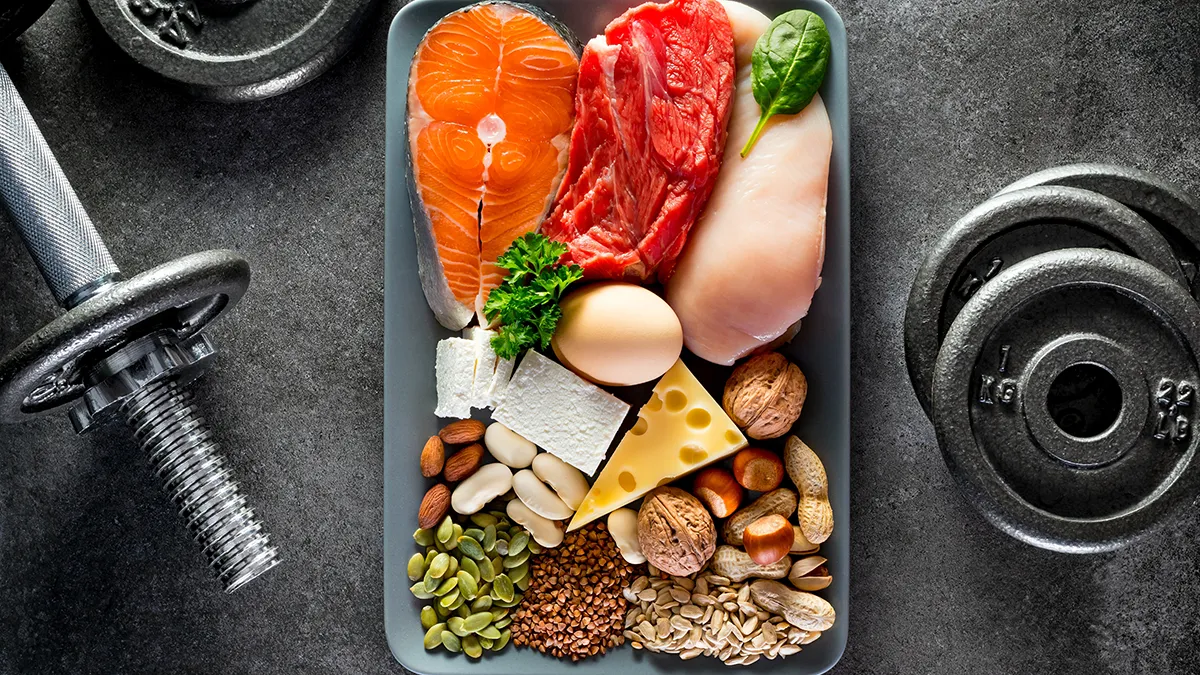
Ideally, you should be eating approximately 1.2–1.6 g of protein per kilogram of body weight during weight loss every day, so the exact number may vary wildly as our bodies are so different.
Lift weights
Lift anything or use your own body weight. You can even take your kid and use it as (a very cute) weight. Use resistance bands. There are plenty of videos out there to learn beginner-friendly weightlifting or band exercises. Look, resistance training won't keep fat in your cheeks. But preserving muscle as you lose weight creates a healthier overall appearance and reduces that "frail" look that sometimes accompanies rapid weight loss. The older you are, the more important this becomes once you start losing weight.
Stay hydrated
No amount of hydration will replace lost facial fat if the weight loss was significant enough. But dehydrated skin looks duller, thinner, and more lined in itself and will amplify the look of aging skin due to volume loss.
Daily skincare and supplements on GLP-1?
Skincare also can’t fully replace volume loss, but it can improve skin quality. If you’ve lost some serious weight, your skin will look way better if you focus on:
- daily sunscreen (UV damage accumulation will make you look much older)
- vitamin C (improves resilience, skin firmness, and brightness to make skin look healthier)
- retinoids (increase cell turnover and collagen production for better skin texture, firmness, and the appearance of fine lines
- moisturizers rich in ceramides (ceramides strengthen the skin barrier and lock in moisture, making the skin appear plumper, which is what you’re looking for)
- red light therapy (works on a cellular level to repair, stimulate collagen production, and improve skin elasticity).

Healthy skin will respond to fat-loss-related changes much more readily than dry, dehydrated skin with a compromised barrier. Ideally, you’ll start a comprehensive skincare routine introducing some of these a month before you plan on undergoing any serious weight loss program.
GLP-1 drugs, like Ozempic, will inevitably change how our body processes food and satiety signals, because we’re eating less and food sits in the gut for longer. It is the manipulation of food transit time, a sort of controlled starvation, that will make you eat much less. So in addition to the Ozempic face we've been discussing as downstream from muscle and fat loss, there are also other unwanted side effects like nausea, constipation, diarrhea, fatigue, acid reflux, and hair thinning. To a certain point, these are unavoidable due to the mechanisms by which the drug works, but an insufficient nutritional profile due to digestive side effects for months on end can be greatly improved by GLP-1 support supplements.
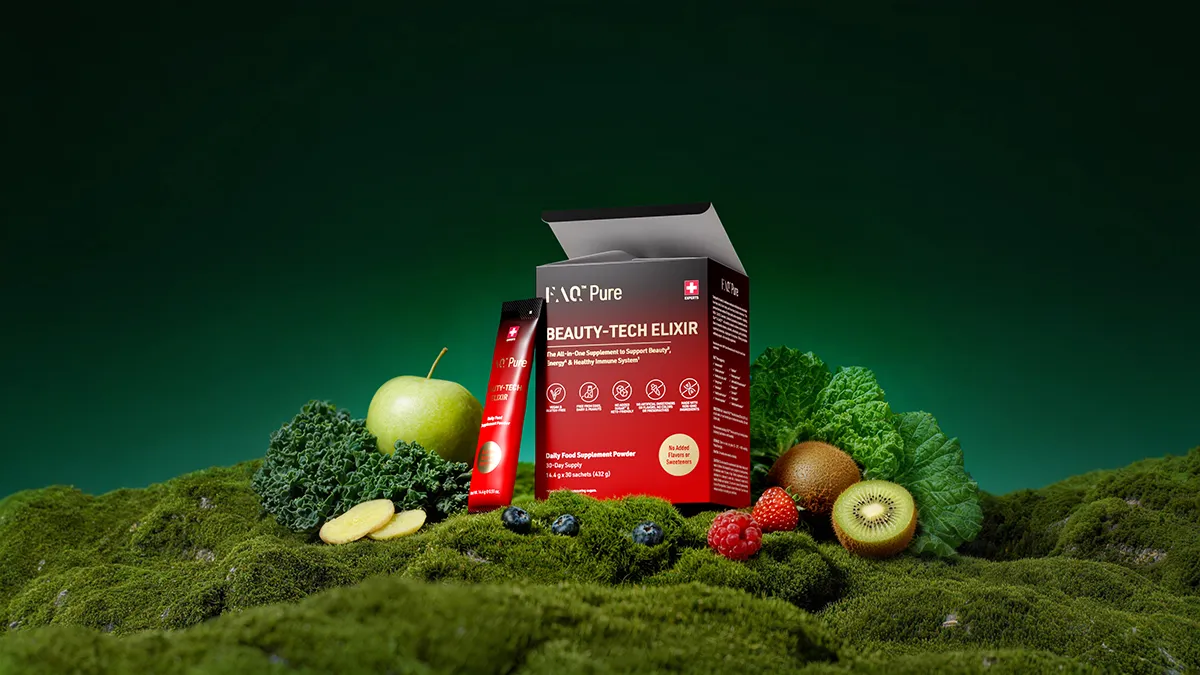
Supplementation has a job to do in any rapid weight loss. It patches up the nutrient gaps which are inevitable after a few months of eating in a deficit. This may not have any direct mechanical effect on the loss of facial volume, but it will provide your body with the building blocks to keep the skin healthy and radiant as you strut your weight-loss yellow brick road. So, we'd strongly recommend learning more about best GLP-1 support supplements if you’re experiencing a lot of digestive side effects.
What Reddit Taught Jan
That real people and their experiences are much more valuable than wasting your attention on celebrity gossip, although we all have our guilty pleasures. I, guiltier than most, have no intention of throwing bricks in this particular glass house.
Instead, she chose to spend time reading through posts in GLP-1 communities where people shared something much more useful than fake scandalism and voyeurism into the private lives of people whose sin is that they live more publicly than we do.
Jan found the social communities, like Reddit, discussing GLP-1 weight loss that spanned hundreds and thousands of personal experiences of people just like her. The recurring advice of this myriad of points of view, in addition to admitting that there is no real way to fully avoid Ozempic face, always orbited a few tangents as something that works:
- Eat more protein, make it a centerpiece of every meal
- Don't crash diet. You’ll gain everything back (and then some) once you start eating, and you will start eating. Hunger always wins, especially when you get tired or overwhelmed. Life will make sure you do.
- Strength train for all the reasons we’ve already mentioned: protecting muscle gets progressively more valuable the older we get, protecting from falls and frailty, and keeping you strong so you can rely on your own body.
- Moisturize as you mean it. This is the easiest, quickest, least sweaty route to make your skin look much better. We only remember how much skin relies on moisture when we get pregnant, and our bellies start to grow. Then we moisturize religiously to avoid stretch marks. Do the same when you’re shrinking.
- Be patient. Consistency daily beats grand gestures once in a while every single time, in love and skincare alike.
Can You Fix Ozempic Face?
The fabulous prevention advice cited above aside, can you really fix Ozempic face if the facial volume loss has already occurred? Well, that is a multilayered answer. Some people will gain some facial fullness back once they stop losing weight and stabilize in their new set point. But this is a wait-and-see kind of scenario.
Other people have had it with waiting in general and will mentally (sometimes not so mentally) slap anyone preaching patience as a virtue (perimenopause and menopause will do that to you). These will mostly choose a quicker solution, like fillers or treatments that physically restore the volume they lost. This may include:
- biostimulatory fillers
- hyaluronic acid fillers
- collagen-stimulating treatments
- radiofrequency microneedling
- various skin-tightening procedures depending on your needs
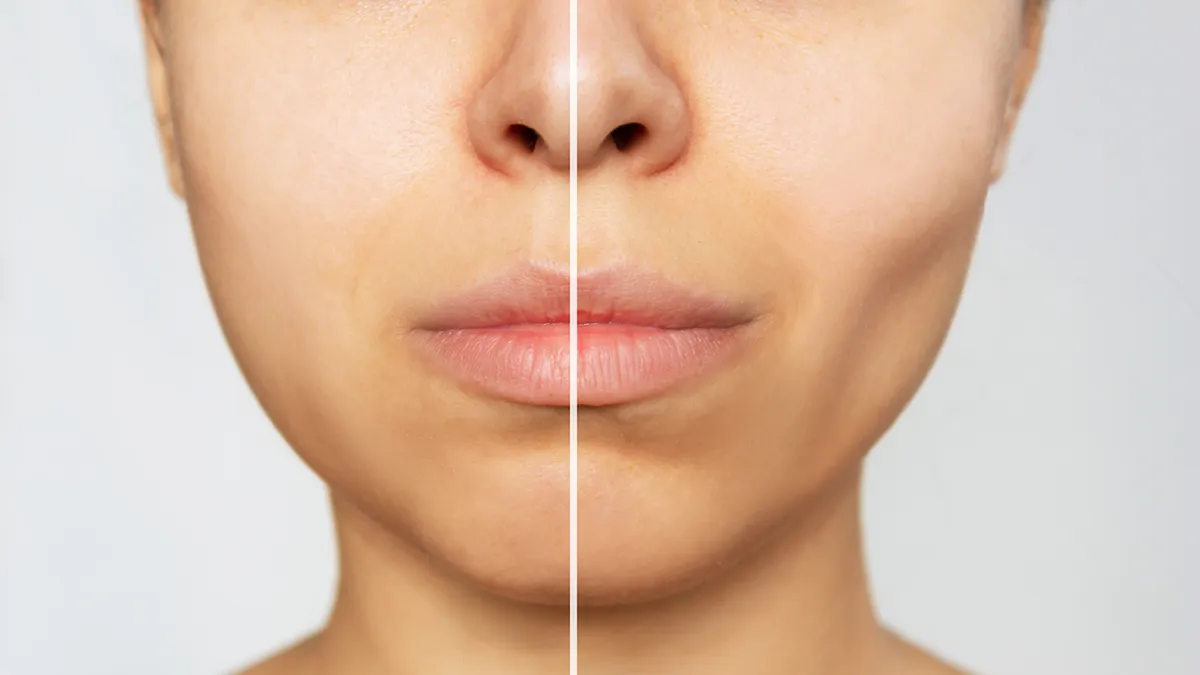
For seriously loose skin after major weight loss, and we mean major, the kind that brings you from disease and death’s door back into a full and active life, a surgical facelift may sometimes be considered.
The right option is not a one-size-fits-all. It depends on your individual goals, specificities of your anatomy and skin quality, and a consultation with a qualified dermatologist or plastic surgeon. Some people lose 100 pounds and have negligible sagging, while others lose 20 and have skin that looks lax and saggy. Every case is its own story.
Do Celebrities Really Have Ozempic Face?
I really don't know. Perhaps some do. Many probably don’t. Money can (really) help you look younger, but we’re all just people, bound by the same biological destiny of all living things on this planet. Something we tend to forget. The Internets love stamping every newly slimmer celebrity as having Ozempic Face. Why? Because it gets clicks and sells papers as we peep our way to feeling better about ourselves.
Yes, some may have facial volume loss due to GLP-1 drugs, but facial changes can result from anything like stress, exhaustion, aging, bad lighting, a toddler that refuses to sleep, and unfavorable makeup to weight loss of any kind, or botched cosmetic procedures - or all of the above. The term keeps perpetuating, because we keep reading/watching.
Lightning round FAQs
What is Ozempic Face?
Ozempic Face is a pop-culture name used to describe facial fat loss, loose skin, and a more hollow appearance, usually in the cheeks and under the eyes. This can happen after rapid weight loss while taking GLP-1 medications or using any other crash method.
What causes Ozempic Face?
Ozempic Face is a side effect of facial fat loss during weight reduction, not of the GLP-1 drug directly. No damage has been done to the skin or face. It’s a volume thing.
How can you prevent Ozempic Face?
You can't completely prevent facial fat loss, but losing weight gradually, eating enough protein, strength training, staying hydrated, and maintaining good skincare may help reduce it.
Can Ozempic Face be reversed?
Some facial fullness may return once you settle into your new weight, but if it doesn’t, it can be restored by dermal fillers, collagen-stimulating procedures, skin-tightening treatments, or surgery (for more serious cases).
Jan's happy ending
In total, Jan had lost 31 pounds over a course of 5 months, and had managed to keep it off six months later, successfully getting out of the pre-diabetic blood sugar range. Sure, during the holidays, a few of these lost ones would find their way home, but Jan stopped chasing the lowest possible number on the scale and started taking care of herself, not obsessing over the extra 2 pounds from that Thanksgiving bacchanal. Six months later, she was looking in the same bathroom mirror. The cheeks were still slimmer, but she also looked healthier, stronger, and more confident than she’s ever been in her mom body. I bet that set of weights and dumbbells in the garage had something to do with this (plus, she could finally pick up her kid off the floor without feeling that heaviness in the lower back).
Ozempic Face isn't really about Ozempic or any other GLP-1 agonist. It's about the natural changes when your body loses fat indiscriminately, including in your face where you’d like to keep some. You can't completely prevent facial volume loss, and remember, a slimmer face isn't necessarily a sign that something has gone wrong. For many people, it's simply part of a successful weight loss journey to improve your long-term health. This will always be more valuable.

Do what you can to prevent the damage, and once you stabilize your weight, restore some volume and improve your skin's condition with cosmetic procedures or non-invasive technologies like red light therapy. Also, remember that you judge yourself far more harshly than anyone else in your life who loves you. Love youself. People who look at you as a whole person won’t notice this half-a-millimeter flaw you’re staring at on random Tuesdays. And change that harsh bathroom lighting.
What we do every day matters most. Pick up those weights, drink a glass of water more, add extra protein, and be kind to yourself. Stay cool, curious, and enjoy living in your body, regardless of the size and traces of life on it. We’re a canvas. What a waste to leave it blank.




Comments
2 comments
Leave a comment