17 min read
26 Benefits of Coconut Oil for Skin & Life

What if I told you (look at me going all Morpheus on you) that there are dozens of uses for coconut oil in skincare, haircare, health, wellbeing, nutrition, housekeeping, and so much more? You can probably name a few, like a coconut oil hair mask, makeup remover, or a lubricant, but this iceberg goes way, way down, nearer to the center of the Earth. And if the Earth does not revolve around coconut oil, by the end of these coconut oil use tips and tricks, you may be inclined to think that it perhaps should.
Now, look, I know that there is something deeply suspicious about a product that can sit equally comfortably in a luxury skincare routine, your grandmother’s kitchen cabinet, and a survivalist backpack, but coconut oil is not actually a product as we’re used to seeing products as manufactured goods, unless you take Nature as a brand. I do, a brand that needs no marketing because the things she creates work (including ourselves).
Coconut oil dilemmas may drive you nuts if you dive deep into the wellness limbo where it is at the same time praised as a miracle all around cosmetics, cure, and home aid, and dismissed as overhyped. Shunned by some and aggressively applied to hair, teeth, elbows, baked goods, and occasionally people’s emotional support morning coffees by others, it became difficult to separate the actual benefits of coconut oil from the grand mythology surrounding it.
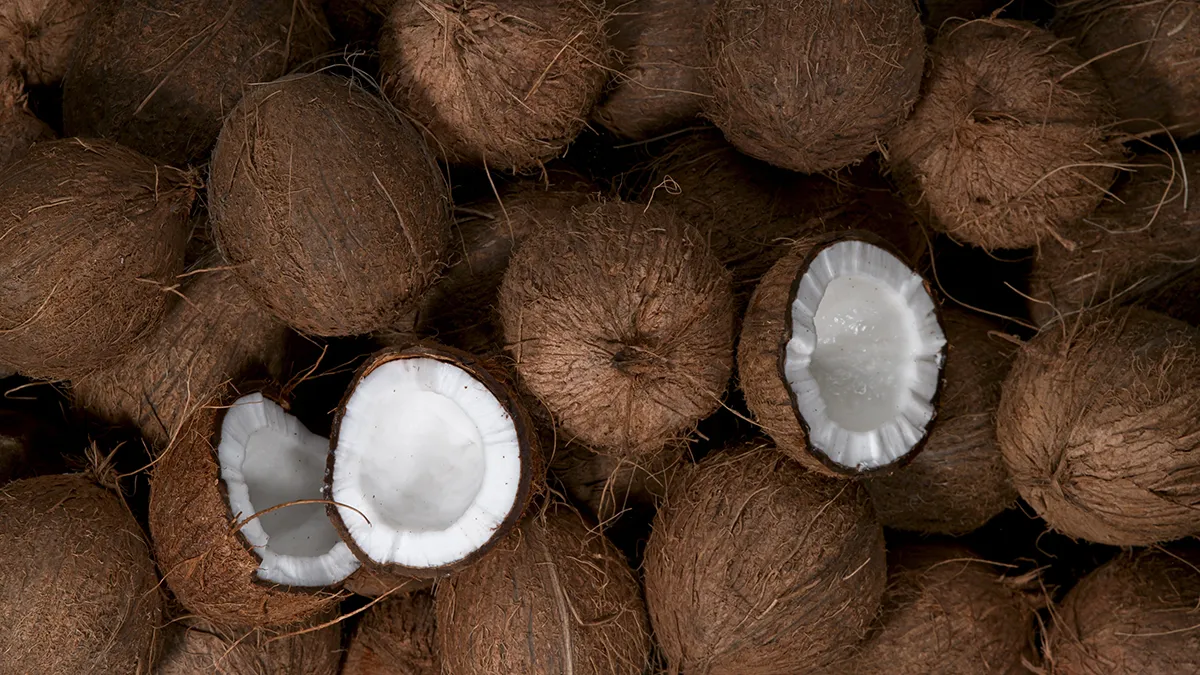
So let’s do this properly and see what coconut oil is and discern its usefulness from that information. How do we get coconut oil? You can get virgin and extra virgin coconut oil by pressing or cold pressing the coconut white meat, where you’ll retain quite a coconutty smell, or get more refined oil by separating it from the liquid from dried flakes by applying heat and purifying it into a higher smoke point oil with a less coconutty taste, better for cooking.
It is rich in fatty acids such as lauric acid, a saturated fatty acid also found in palm kernel oil and human breast milk. It is a medium-chain fatty acid (MCFA), with a shorter carbon chain than most dietary fats, so if ingested, it is speedily transported to the liver and used for energy. Some people use MCT-rich fats for quicker energy availability, especially those in the ketoverse, while the skincare and wellness crowd adores its antimicrobial activity.
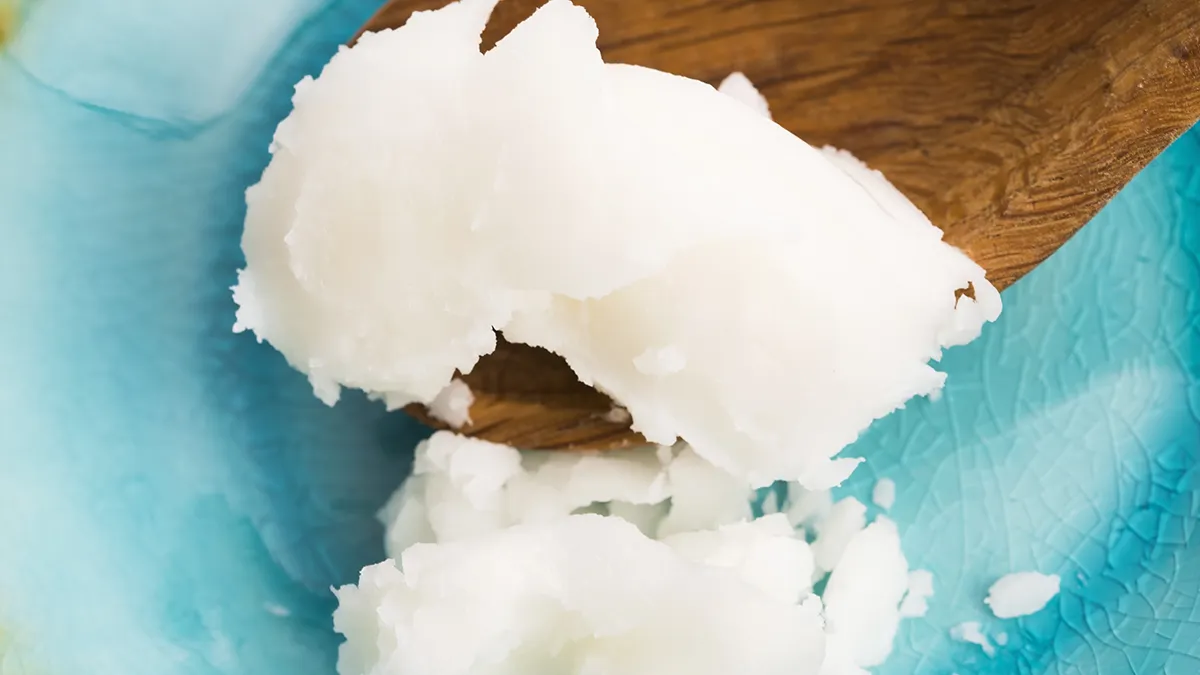
Lauric acid is also highly emollient, softening, lightening, and smoothing the skin while reducing water loss. This is why coconut oil for dry skin is ideal for people who feel like their skin is too dry. It can feel immediately comforting and protective.
The benefits of coconut oil for hair are also due to its low molecular weight and the straight structure of lauric acid. Some fats sit on the surface, but coconut oil penetrates the hair shaft better than many other oils.
But is coconut oil good for your skin universally? Not exactly. For some people, coconut oil on the skin feels like instant relief: softer legs, calmer dry patches, smoother cuticles, and that expensive “glazed” look. For others, especially those who own acne-prone skin, it’s a situationship. Although they benefit from the anti-inflammatory and antimicrobial properties, we do eventually need to discuss whether coconut oil clogs pores since it can act as an occlusive.
We’re here today to discuss the real coconut oil benefits for skin, hair, body, and life in general. We hope to share a few interesting tidbits that can double as life hacks and icebreakers at a party. So let’s go through 26 ways you can use coconut oil in self-care and life. Drop a spoonful into your coffee, buckle up, this is not gonna be fancy, but it will be useful.
Coconut oil for face
1. Facial Cleanser
You’ve heard of double cleansing before. It is nothing new. The basic premise is that you have one oil-based, waterless cleanser that melts off even the heaviest makeup and SPF, followed by a water-based cleanser that removes any remaining residue (including oil). Coconut oil works as a 1st step oil-based cleanser. The fatty acids in coconut oil and the mild antimicrobial make it perfect. However, if you’re acne-prone, be careful: Does coconut oil clog pores? Potentially yes, for you. It is moderately to highly comedogenic, not a problem for dry skin, but more of a problem for oily, stressed skin.
Melt some in your fingers, massage it in, wipe it off with a damp cloth, and follow with your regular cleanser.
2. Chapped Lips
Dry chapped lips seem to be a silly thing to worry about amongst the complexities of life, but it can get really bad and even painful, plus you’re letting bacteria enter. Coconut oil for dry skin works especially well on the lips because the lips are not like the rest of your face. They lack oil glands and lose moisture quickly, as you bite, lick, kiss, eat, smoke (don’t please)… Coconut oil acts as an occlusive barrier that reduces trans-epidermal water loss, helping lips stay soft and providing comfort and hydration so your lips can heal if they’re already chapped. Plus, you needn’t worry if you lick it off and eat it, which you inevitably will. There are no chemicals.
Put a bit on your finger and apply it to your lips. If you have oily skin, avoid smearing a lot around the lip line.
3. Longer Lashes
There’s no clinical evidence that coconut oil directly increases eyelash growth rate, and people do mix it with castor oil, which may be the one responsible for the increase in length. However, a tiny amount of coconut oil applied before sleep can reduce lash breakage and dryness, making lashes appear fuller over time. Because you haven’t lost as many. In this case, it is more about protection, not miraculous growth stimulation.
Use a cotton swab to apply along the lash line and along the lash length. Better yet, clean an old mascara brush or an eyebrow comb and use that.

4. Pimple Treatment
Lauric acid in coconut oil has demonstrated antibacterial activity against Cutibacterium acnes in laboratory studies. But! Don’t you hate it when there’s a but (but love a good butt)? But, coconut oil can clog pores, so dermatologists usually do not recommend it as a primary acne treatment for oily or acne-prone skin. It may work better for dry, irritated skin than for active breakouts.
Just take a rice-sized bit of oil and dab directly on the spot. Ideally, you will not go directly to sleep and rub it off with the pillow, especially if you have oily or problematic skin and don’t plan on changing the pillowcase tomorrow.
5. Facial Mask
Ideal for very dry skin with a compromised skin barrier, or aging skin that just can’t get enough of the moisture and topical protection. In a DIY mask universe, coconut oil for face masks provides an ideal base if you’re focusing on barrier support. As usual, don’t use it on oily-acne-prone skin. There are far better options for you, like tea tree masks. If you really want to try a mask for its real, impressive benefits, get a proper coconut oil mask from a reputable brand designed to suit all skin types.

If you’re using pure coconut oil, just apply a small amount all over the face or only to the dry patches. Make sure your skin is freshly cleansed and free of any makeup or oil residue. This goes for commercial masks, too.
Coconut oil for body care
6. Exfoliating Body Scrub
Coconut oil is a great base for scrubs as it will protect the skin barrier while a more abrasive ingredient exfoliates. Coconut oil for body care is a great complement to a physical exfoliant, softening the new skin as soon as you remove the dead skin on the surface. The oil reduces friction during exfoliation and helps prevent the frequent over-drying afterward. Just don’t use aggressive scrubs on inflamed or compromised skin barriers. If there is a wound, cut, rash, lesion, or any other skin issue, don’t exfoliate with anything. Heal first.
Mix coconut oil with sugar, salt, or coffee grounds, rub thoroughly over the skin with low to medium pressure (you can press harder on the soles of the feet and the palms), and rinse off with lukewarm water, not hot. Most of the time, you won’t even need a moisturizer, or you can just apply a bit of coconut oil to still-wet skin.

7. Cracked Heels
A hoof is quite an unladylike thing to have. Spring and summer open shoe weather always catches us by surprise as we look at the sad, cracked landscape of those heels. If you start making noise on the flooring like you’re wearing hard-soled shoes, it’s time! One of the best uses of coconut oil for dry skin is overnight heel repair. Coconut oil reduces water loss from the skin and softens thickened skin when applied consistently.
Ideally, you’ll apply the coconut oil after a hot bath or shower, while the skin is still warm and softened. Just lather it on comfortably and put on socks to intensify penetration and hydration. You can also add it to a foot scrub for better results, rinse, and also follow up with socks.
8. Natural Shaving Cream
Another benefit of expert lubrication in self-care. Coconut oil creates an excellent slip and reduces friction during those quick shaves (no one shaves like the girls in the commercials that have 4 hours available to do a single leg). The oil will help minimize irritation and razor drag, which loves to do damage and leave you with ingrown hairs, and also leaves skin softer afterward, compared to commercial shaving creams that are part cleanser.
Just put a pea-sized amount, warmed in your hands, on each body area on wet skin and shave as you normally would. But be careful. If you drop some in the shower or hold onto the edge of a bathtub, it makes the surface dangerously slippery (which my wrist and I had to learn the hard way; I never learned anything the easy way).

9. Soothe Razor Burns
If you choose to use something else as a shaving cream, you can always apply coconut oil afterward as post-care to reduce dryness and irritation. Coconut oil’s emollient properties help calm irritated skin and reduce tightness if you’ve over-dried it and washed off its barrier. Many people find it especially soothing for the legs and underarms (it can also double as a deodorizing agent to prevent unpleasant odors).
Once you’re done shaving, just apply some coconut oil to places that usually feel irritated or uncomfortable. Maybe it’s not the best for bikini areas in summer if you’re going to be sweating a lot soon.
10. Eczema Soothing
This is one of the better-supported uses. Studies suggest that virgin coconut oil can improve skin barrier function (the older you get, the more you need your barrier; it is exactly what its name suggests: a natural barrier against environmental harshness) and reduce Staphylococcus aureus colonization in mild eczema due to its antimicrobial and moisturizing effects.
Apply coconut oil on clean, dry skin affected by eczema, and leave it on.
11. Sunburn Relief
I’m not even going to pretend that I'm a responsible adult who has always put health above looking deliciously tanned (I’ve accepted my noble complexion and don’t torture myself or risk melanoma anymore).
If you’ve burnt your skin to a crisp chasing that perfect shade, coconut oil may help reduce dryness and peeling by improving skin barrier moisture, but don’t apply it immediately while your skin is still radiating heat, as it can trap heat. Once the initial heat from the sun burn subsides, it’s great. For an active burn, opt for Aloe Vera.
12. Anti-Aging Cream
No need to waterboard your wallet with an infinite parade of rejuvenating cosmetics and anti-aging treatments. Coconut oil doesn’t reverse aging, but it can temporarily soften fine lines caused by dehydration, which is what most expensive creams and moisturizers do also; you just skipped paying for the brand name. Moisturized skin also reflects light better and appears smoother, which will make you look younger and fresher. Coconut oil will therefore not rejuvenate already-aged skin, but its antioxidant content may also provide mild protection against oxidative stress, potentially slowing future aging; an ounce of prevention is worth pounds of cure.
Put on at night before sleep after you've thoroughly washed and dried your face.

Coconut oil for nails
13. Nail Growth
Coconut oil won’t directly speed up your nail growth, just like it will not do with the lashes (hey, it’s all keratin anyway), but it can reduce brittleness and breakage by improving hydration around the nail plate and cuticle. This means that what is flexible can bend without breaking or snagging on everything you own. The occlusive nature of coconut oil helps seal moisture into dry cuticles and damaged nails.
Just melt a pea-sized amount between the fingers and rub it into all the cuticles and nail beds. You can extend this into hand care, lather it on, and sleep with some nice cotton gloves.
Coconut oil for hair
14. Frizz Control
We’ve all been there. Brittle, dry, tortured antennae budding from our scalps, creating an aureole of broken off, struggling strands. One of the most practical benefits of coconut oil is reducing frizz and moisture loss in hair. As we said, it penetrates the hair shaft more effectively than many mineral oils because of its high lauric acid content and low molecular weight, and it reduces protein loss in damaged (and undamaged) hair better than mineral oil or sunflower oil.
You can even just put a bit onto your comb or brush as you're trying to collect all the runaway frizz.
15. Minimize Hair Damage
No, unfortunately, coconut oil will not stimulate the formation of new hair follicles, but it will reduce protein loss from the existing hair strands. You need those proteins because your entire hair is made of them. Regular use of coconut oil on hair will minimize breakage and protect the scalp barrier, which can make your hair look healthier and thicker over time, just as with the lashes above. But there will be no new follicles.

Use it 1 to 2 times a week before you wash your hair. Scoop out a small amount into the palms, warm it up, and apply it from roots to ends. Put your hair in a bun and leave it in 20-30 minutes. You can even heat up the bun with a hair dryer on low to medium heat.
16. Dry Scalp Relief
The scalp produces its own oil that we’ve declared war on in the modern world. The generations that did not have the luxury of a daily hot shower took pride in finding hairstyles that protected their hair and made it look good even when it was oily. But we burn off the protection with scourging hot water and harsh shampoos, soaping away the barrier that keeps the scalp healthy and the follicles abundantly budding. Coconut oil may help soothe a dry scalp by reducing water loss and improving barrier function. Its antimicrobial and anti-inflammatory properties may also help with mild flaking, but can worsen seborrheic dermatitis or fungal dandruff, so be careful.
Do the same thing as for the point above.
17. Hair Detangling
We’ve all been introduced to the importance of lubrication by now, haven’t we? It’s much more pleasant to slip, slide, and glide than friction and break. Coconut oil works that way for hair detangling. It lubricates the hair shaft, reduces friction, and helps loosen stubborn knots (the bastards) more easily. This minimizes mechanical damage during brushing, which is inevitable to some extent regardless of your brush and the effort you put in, especially with curly or textured hair.
Apply a very small amount of coconut oil to damp hair from mid-length to tips and comb through, first with a wide-tooth comb and then with a detangler brush.
18. Hair Glossing
This is just a gloss; it’s a physical coating that gives an optical effect. You didn’t actually fix anything. A tiny amount of coconut oil will just smooth out the hair cuticle, allowing light to reflect more evenly and making hair appear shinier, like if you were to put oil on skin, pan, or any other surface, it would get shinier, but it is not a structural change, just a change in the amount of reflected light.

Put a very small amount to clean semi-dry hair, and avoid the roots. Comb through thoroughly. Overuse can make hair greasy (maybe you’d like one of those strict, glossy buns, then that’s ok), rather than glossy, so err on the side of caution. It’s easier to add a bit more if you need it.
Coconut oil for oral care
19. Teeth Whitening & Freshness
More than 5 millennia ago, India offered Ayurveda to the world, an ancient indigenous medical science that used herbs for medicinal purposes and documented it in the world's oldest available written literature, the Rigveda. Coconut oil became famous in the West partly through an Ayurvedic practice of “oil pulling,” swishing oil in the mouth. Some small studies suggest oil pulling with coconut oil may reduce oral bacteria and plaque because lauric acid has antimicrobial activity. However, don’t count on radically whiter teeth. You will feel cleaner and fresher, but won’t go 5 shades lighter.
Take a spoonful of coconut oil and swish it around your mouth for 10 minutes. Spit out (not in the sink or toilet bowl), as coconut oil hardens when cooled. Brush teeth as usual.
Coconut oil for random stuff
20. Perfume Enhancer
Coconut oil can act as a carrier for fragrances. It is an oil-based liquid that evaporates slowly, so if you put some on a place you’re planning to spray perfume, the scent will linger longer on the skin. The general rule of thumb is that if you moisturize before applying perfume, you’ll generally keep the scent intensity for longer. It’s less due to chemistry and more to slowing evaporation.
You can put the coconut oil directly on your skin before you spray perfume, or put a bit in your hand, spray perfume on it, and warm it up before you apply it to your designated perfume-applying body areas. I’m not even gonna guess. We all have our secrets.
21. Deodorant Alternative
By now, we know that coconut oil has mild antibacterial properties. This is good news for deodorizing because the sweaty odor is not actually you smelling bad. It’s the bacteria consuming odorless sweat. What you’re smelling when someone goes all musky, oniony, or curry-ish is the metabolites of the bacteria (you know what this is, I will not say it… poop, it’s bacteria poop). So the ability to hinder bacteria from proliferating may, in fact, help reduce odor-causing bacteria and therefore aroma. But it is not an antiperspirant, so you’ll still sweat.
Many natural deodorants use coconut oil as a base, combined with baking soda, magnesium, or starches. You can even melt it and add some refreshing essential oil you enjoy, like mint, lemon, or eucalyptus. If you’ve got an old container from a hard deodorant, you can pour it in and let it cool down and harden, and just use it as a deo stick.
22. Quick Shoe/Bag Shine
Really? Yes, and you need a tiny bit. A pea-sized amount of coconut oil can condition and shine leather shoes or bags that have seen better days, because oil helps smooth the surface and restore flexibility to dried-out leather, preventing cracks. Use sparingly; too much can darken some materials.

Don’t put anything oily on suede (just in case it needed to be said)!
23. Makeup Brush Cleaner
The one that never occurred to me, but it worked freakishly well. Logically, because oil dissolves makeup residue effectively (that’s why the first step in double cleansing is oil-based), coconut oil can help loosen stubborn product buildup from brushes, the deep residue near the bristle roots.
Take a bit of coconut oil (depending on how many brushes you’re cleaning today), and put a drop of gentle soap or hair shampoo in. This will be the best at removing all pigment and oil in one go.
24. Soothe Bug Bites
The most underwhelming part of warmer months is becoming a bug buffet and scratching yourself into oblivion. Who amongst us has not passionately declared a mosquitocide at 2 AM? The anti-inflammatory and moisturizing properties of coconut oil can temporarily calm itching and irritation from minor bites. Cooling the skin and reducing dryness can make bites feel less inflamed. But this is supportive care that relieves the symptom and may help minimize blotches from bites, not venom neutralization for more serious bites.
25. Energy Booster
A bulletproof coffee and keto favorite, coconut oil contains medium-chain triglycerides (MCTs), which we’ve mentioned already. Due to their shorter chain length, these are metabolized faster than long-chain fats, allowing for a fairly quick burst of energy (fats have more energy than carbs and protein) because they can be used quickly as clean-burning fuel. But claims that coconut oil dramatically boosts metabolism are often exaggerated; this is marketing, not fact.
Ideal if you’re skipping breakfast for any reason, following a keto or LCHF diet, or want to prolong your fasting window. Just put a teaspoon in your morning coffee and enjoy.
26. Remove Sticky Residue
Any kind of oil dissolves adhesive residue, including sticker glue and waxy buildup. So if you have jars with labels, unfortunately placed stickers on glass water bottles, or kids enjoying sticking stuff to walls and other surfaces, oil breaks down sticky compounds so they can be wiped/scraped away more easily.
Rub some oil on the sticker you wish to remove and leave it for half an hour. If it is just the glue residue from a previously peeled sticker, apply some coconut oil to it and rub it with a dish sponge or another abrasive.
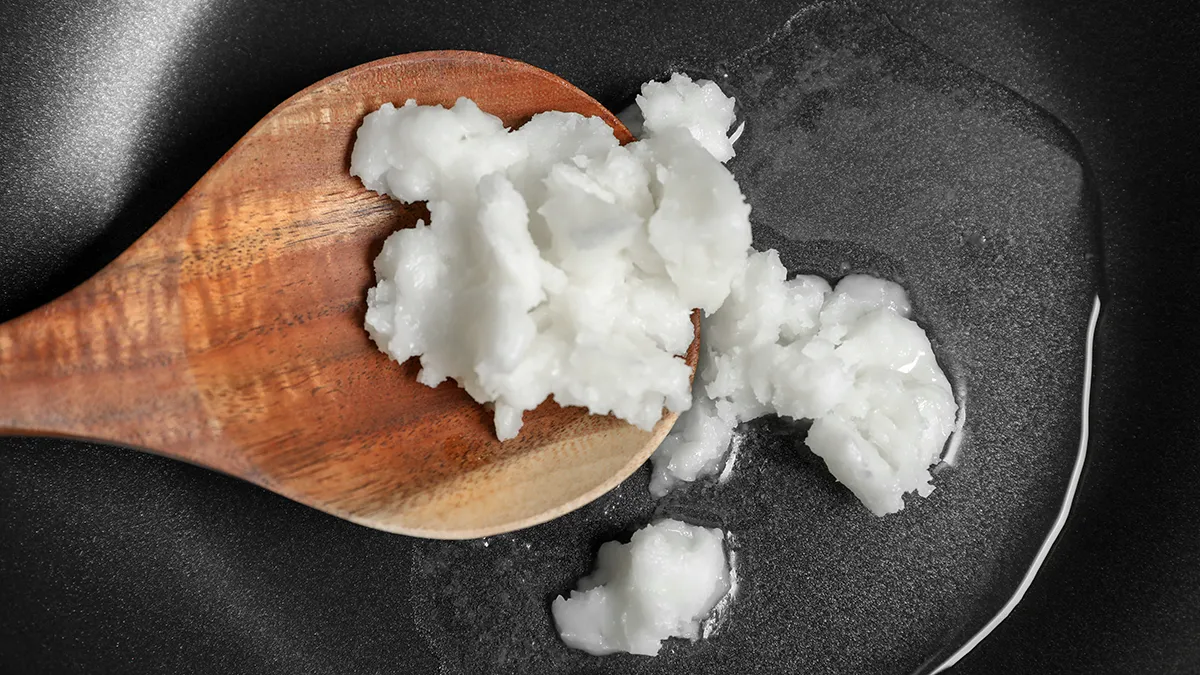
From chapped lips and hair masks to shoe shines and glue removers, there you have it. One humble jar of coconut oil quietly outperforms half the beauty aisle, surviving multiple wellness trends, and still somehow ending up in your kitchen, bathroom, suitcase, and emergency medicine drawer. Is it a miracle cure? Nope, and anyone promising this is probably also trying to sell you moon water and collagen-infused optimism. The real beauty of coconut oil is that it does many small things exceptionally well: protecting the skin barrier, softening roughness, reducing friction, adding comfort, shine, slip, moisture, and occasionally rescuing both your cuticles and your leather boots in the same afternoon. Like most things worth keeping around, its power lies not in perfection but in versatility. I personally love the reminder that the best self-care isn’t complicated, expensive, or wrapped in futuristic packaging, but rather sitting quietly in a jar, smelling faintly of summer holidays. We hope you learned something new today and that you’ll go whip out that jar you’ve lost in the deep, dark parts of the pantry. Stay cool, curious, smooth, and enjoy living in your gorgeous skin.






Leave a comment