15 min read
Fat Facts, Liposuction & FAQ™ Body Sculpt Serum

An ode to fat
The Greeks called it lipos, and we know it as the jiggly, soft, and squishy part we abhor - fat (seeming to be an abreviated form of "For All Times" after a certain age). The fat we wish to body sculpt away, throw creams and firming serums at, suck out with suction, lipo suction (literally fat-sucking in name and game), is not one uniform block of blubber we've collected through the interplay of genes, environment, life choices, and habits. The fat is stored in separate fat cells that do what cells do: live (and interfere with your summer body sculpting plans), doing their job of keeping you alive. Fat is a necessary part of living and thriving as a healthy human, with normal body fat percentages ranging from 14-24% for men and 21-31% for women. We try to lipo, freeze, massage, ultrasound, and burn the fat away, seeking that perfect silhouette we've been told is perfect (guess what: "perfect" changes through history, and you would have been ideal at some time, somewhere).
Once we really consider the love handles, cellulite, saddle bags, or junk in the trunk that disturbs us so, remember that a female body is different and designed to have more juicy, soft, and jiggly bits. This is deliberate because evolution counted on the fact that you might get pregnant just about when famine and disparity hit, so you have extras to feed your unborn (and born; breastfeeding needs about 300 extra calories a day) baby. And she also made the other sex like those thick bits, associating the voluptuousness with fertility. So basically, as nature sees it, you're not too fat, but overly prepared for a crisis (and hot).
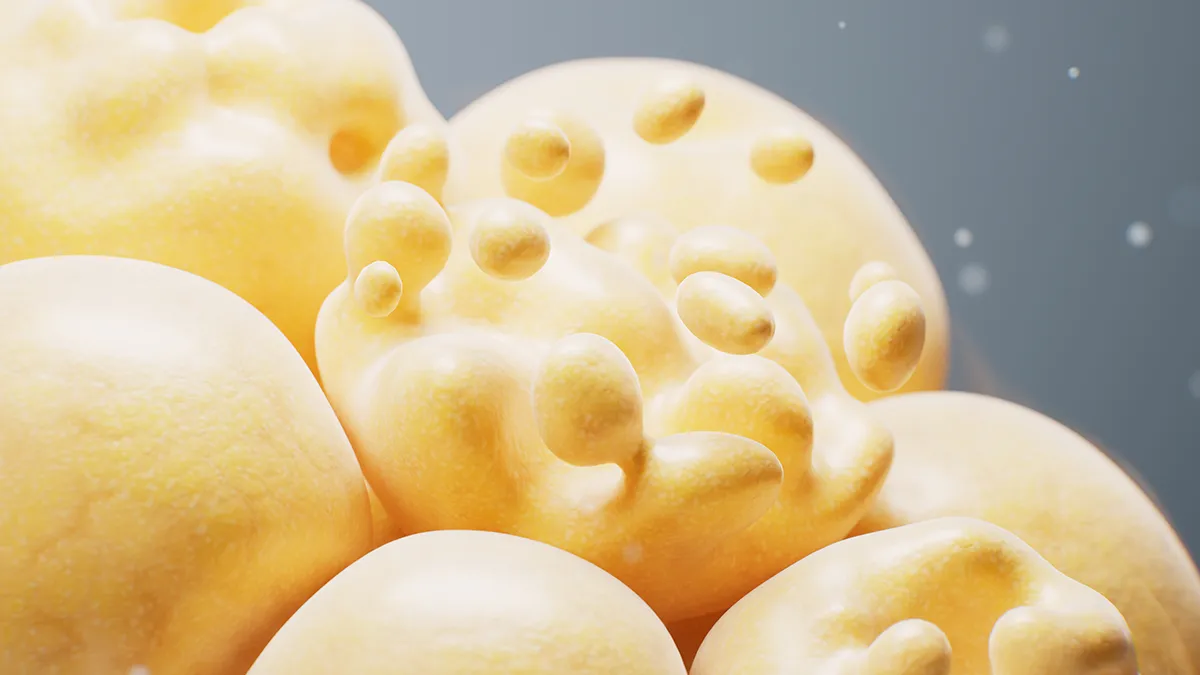
In addition to this major function in a female body, fat also plays a few more lead roles in the survival of this body, such as insulating organs so they don't rattle about, regulating body temeprature, so you don't freeze if you're not in body temerature rooms, storing energy and toxins too dangerous to float around in the bloodstream, and making sure you can produce hormones which are so important that they effect everything else that goes on in this meat pie locomoting our brain around.
What would happen if you had no fat?
Key physiological consequences of no fat would be extreme starvation mode, in which the body would essentially eat itself until it could no longer sustain crucial life-sustaining functions.
- Without fat to use for energy and without cushioning, organs would fail. Fat is an energy storage form, providing you with energy when you haven't eaten or when you have higher energy demands. Without fat, you'd constantly feel like the worst hangover of your life, depleted, weak, struggling to stay awake, and hating every second of it. Not fun.
- Your sex hormones would crash and burn, leaving you libidoless, completely disinterested in the bedroom sport, your cycles would stop, and you'd go infertile. Men would tank their testosterone and feel no desire for your (no longer juicy) nethers.
- Since there are a lot of fat-soluble vitamins (A, D, E, K), you wouldn't be able to absorb these, leading to weakened immunity for your frozen self and increased infection risk. By this point, it would be a mercy if an infection got you before hypothermia.
- Regarding physical appearance, you'd look emaciated. No subcutaneous fat layer means a sickly, sunken, aged (yes, you'd look older), Gollum-like appearance.
So the next time you hate on the jiggle, give it some love. It's keeping you alive and well (if not extreme, but everything sucks in the extreme). In most instances, when we get annoyed by a thick thigh or a roll that sticks ever so slightly above the belt, we're not upset by the amount of fat so much as by the unsightly shape it is in or the amount accumulated in some areas. You don't need to be thin to be toned. In fact, some fat with toned muscle below will give you the best results for looking young and fit. We want to have sleek, elegant, firm outlines, no bumps, rolls, or cellulite pockets. A tight and taut juicy thigh hits quite differently than a jiggly and dimpy one, regardless of the circumference, right?
Now that we've had this ode to fat as a necessary and life-affirming celebration of real bodies, life circumstances, and schedules, we can move on and talk about the fat cell itself. Are you born with a fixed number of fat cells? Can you make new ones? How does liposuction fit into the story of body sculpting, and is there any merit to topical interventions? Are you just wasting your hard-earned cash, or depleting your trust fund (congratulations for having one, by the way)?
The fat cell number
The number of fat cells in our bodies is not unchangeable. We are not born and instantly doomed to be laden with fat. Sure, babies need to be chubby with cherubic cheeks as they'll use that fat to rapidly grow and thermoregulate (fun facts, babies can't shiver to warm up). But early childhood and puberty trigger the formation of new fat cells, which is normal and healthy during these most intense periods of growth. After you're done transitioning into an adult, the number of fat cells will pretty much stay constant in your body during your life, turning over at about 10% per year, but they're not growing in numbers nor planning world (and wardrobe) domination.
The only way you could increase the number of fat cells once you're already faking your way through being a grown-up is if you gain massive amounts of weight, in the ballpark of 50-60% of your healthy weight. Even pregnancy won't do that, not even twins or triplets. But yes, this is the only instance your body will find it necessary to create new fat cells because there is absolutely no way to push more into the existing ones, the whole 30 billion (with a "B") of them. If you were to lose that weight after a while and go back to a healthy weight, you wouldn't lose all of the extra fat cells you've created (they'll just get smaller, shrink until and if they’re needed again) and it is speculated that this cell retention may be the reason why it is so hard to maintain weight loss long-term. You've sort of changed the setpoint with a massive weight fluctuation, and your body now identifies as fat, although you might not be any more. A warning to all of you young people and those caring for young men and women. It is very important to stay at a healthy weight up to your early 20s. This will save you a lot of trouble and potential chronic problems later. And BMI is not the only thing to look at. You may have a higher-than-normal BMI because you have a lot of muscle (muscle is denser than fat).
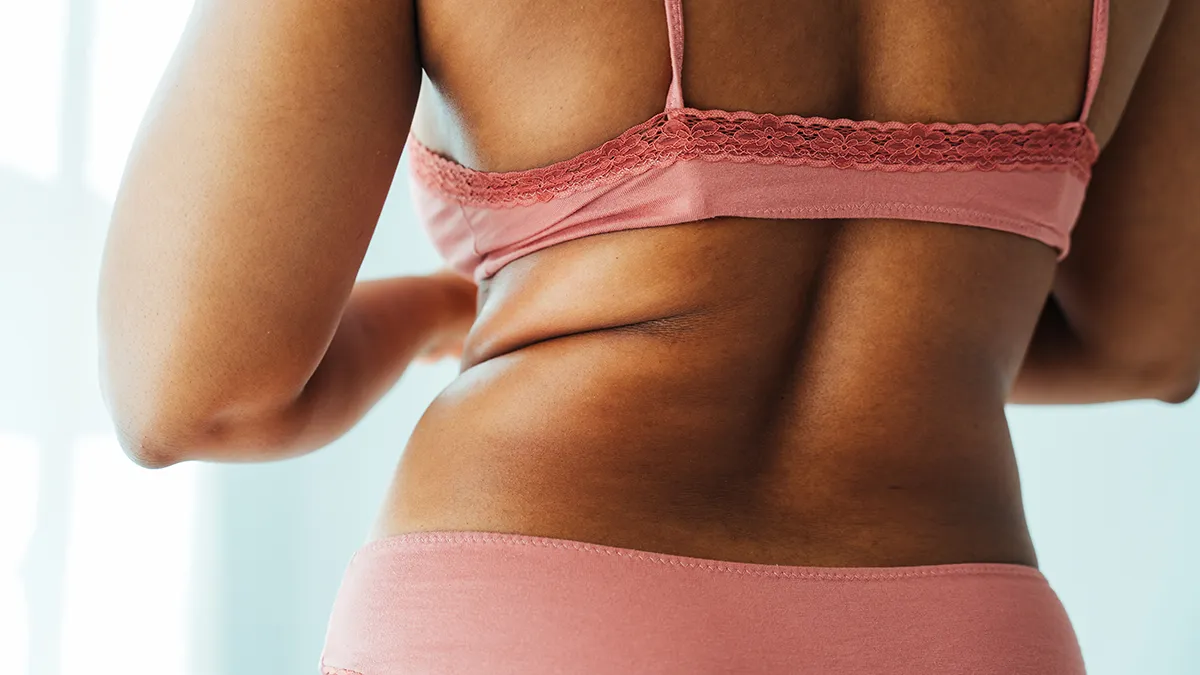
There are many routes you can take to body sculpting, many ways to get to a toned, firmer body, or a more lustrous shape you can be proud of. Ideally excercise (doing it, not thinking about it) would be enough to reshape our bodies and create a new silhouette, but in reality, we might need to hit the problem from multiple sides. We're all different people. Some want to transform through sheer grit and elbow grease, pulling themselves into a new life by the bootstraps. No doubt an approach with benefits over multiple emotional, aesthetic, and health planes. Some are quite ok with cutting into their skin to reshape and reposition the skin and the subcutaneous fat (below the skin, as differentiated from the fat around the organs). You can definitely lift the skin with invasive cosmetic procedures, but you can also suck out the fat from the places where it sucks most.
Liposuction
Liposuction is not primarily meant as a weight loss method, but is more of a shaping tool that relies on (quite violently) sucking out fat cells permanently. It will reshape the body, but does nothing for the loose skin left, and you're by no means protected from getting fat again in other areas (although you most likely will not get fat again in the area that was sucked, as there is less fat cells there left to swell up with new fat formation).
Ideally, you wouldn't undergo liposuction unless you've got seriously stubborn and unsightly fat deposits that couldn't care less about your calorie deficit, broccoli-based diet, hyper-hydration, or insane gym routine. Basicaly it should be your last choice once you've depleted all others. Why? because how ever you look at it, liposuction is aggressive, and it is surgery, even when done on a smaller body area.
If done well and professionally, by a skilled surgeon who's taken your specific body shape and desires into mind, you'll get some blood tests done and may have to stop certain medications. This will mostly include NSAIDs, like Aspirin, Ibuprofen/Advil, Naproxen/Aleve, blood thinners, Vitamin E, fish oil, and herbal supplements that may affect bleeding risk. You will be put under anesthesia, usually general, where you're fully asleep, and more rarely local anesthesia that numbs a single area. Personaly I'd like not to have the memory even of a minor liposuction vacuuming me out, and would like to be fully anesthetised, but that's just me. I couldn't not look (yes, yes, double negative, but that’s how much it disturbs me) at what I don't want to see (this trait does present its unique challenges in life, in case you were wondering).
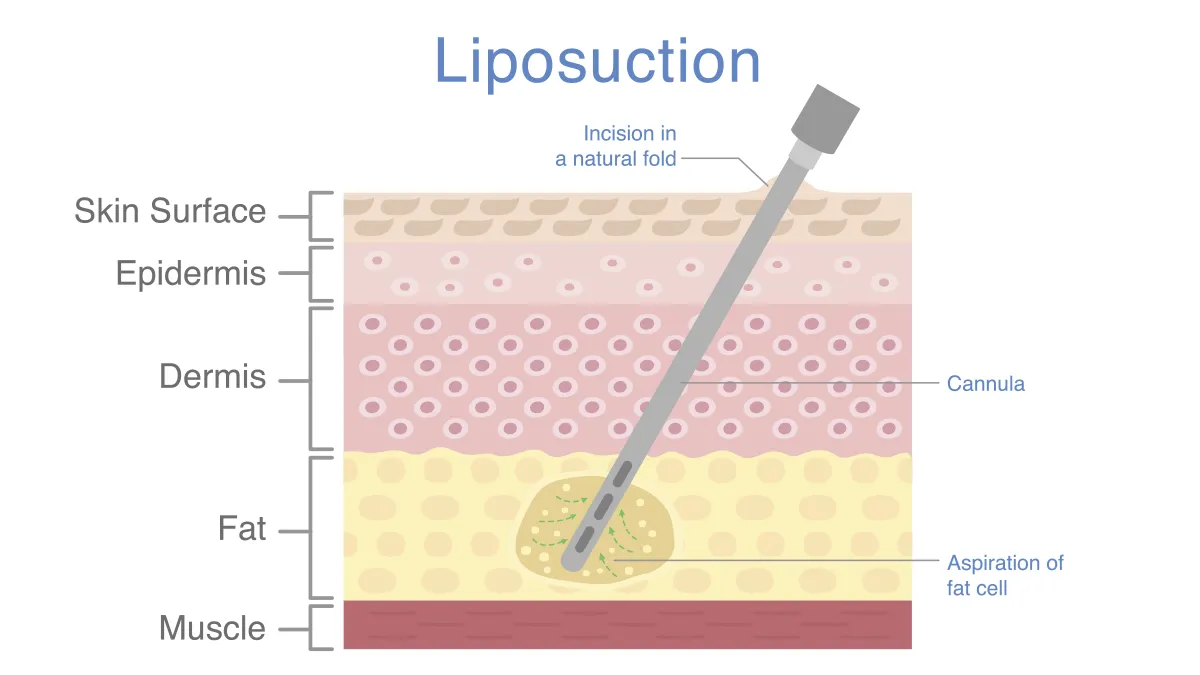
The liposuction process is quite mechanical and straightforward, logical, and simple. Once you have been to consultations, have been deemed suitable, have gone through the prep (and stopped the mentioned medication), the doctor will make incisions in the skin and insert a small tube called a cannula. For a jiggly thing, fat is pretty compacted together and resilient, so it needs to be softened before it gets sucked out. This can be done in various ways, including pumping in fluid, using ultrasound, or vibrating technologies. Once softened, all that is left is to suck out the fat with the cannula. You'll get some instructions to minimize the adverse effects or dissatisfaction with this body sculpting procedure. Temporary drains are normal while there is a lot of swelling, bruising, and fluid accumulation, but compression garments are also helpful. Bruising and soreness are unavoidable, even for minor liposuction, and you'll likely be off work for a few weeks, and fully recover in 3-6 months, although a bit longer recovery time is no cause for concern.
No amount of body contouring and shaping methods will fundamentally change your body shape. You can get tighter, more toned, look better in short shorts and turn more heads, but if you're built like an hourglass, or like the ancient statues of fertility goddesses, you'llnever be a size 0 (at least not alive). Body sculpting methods should not promise to make you a body shape you're not. It’s like claiming exercise will make you taller or change your eye colour. The point is to work with your body, as you adore it and take care of it like it were the only one you'll ever have.
Making your body look better always seemed kind of empty if you didn't start feeling more able and healthy through the process. No shade on anyone who decided to go the surgery route. I don't know you, your story, your struggles, or the desires you have for yourself. If you choose to go the invasive course, such as liposuction or surgical lifting, nipping and tucking, just be sure to choose the best doctor you have access to and be aware that recovery will be quite long.
Microcurrent body toning
Now, in an ideal world, everybody's sculpting issue would easily be solved by using interventions like dietary changes and more movement, but this is not always possible, especially if you're older, have given yourself a limited timeframe, or have genetic predispositions to have lax skin or accumulate fat and/or cellulite in certain areas.
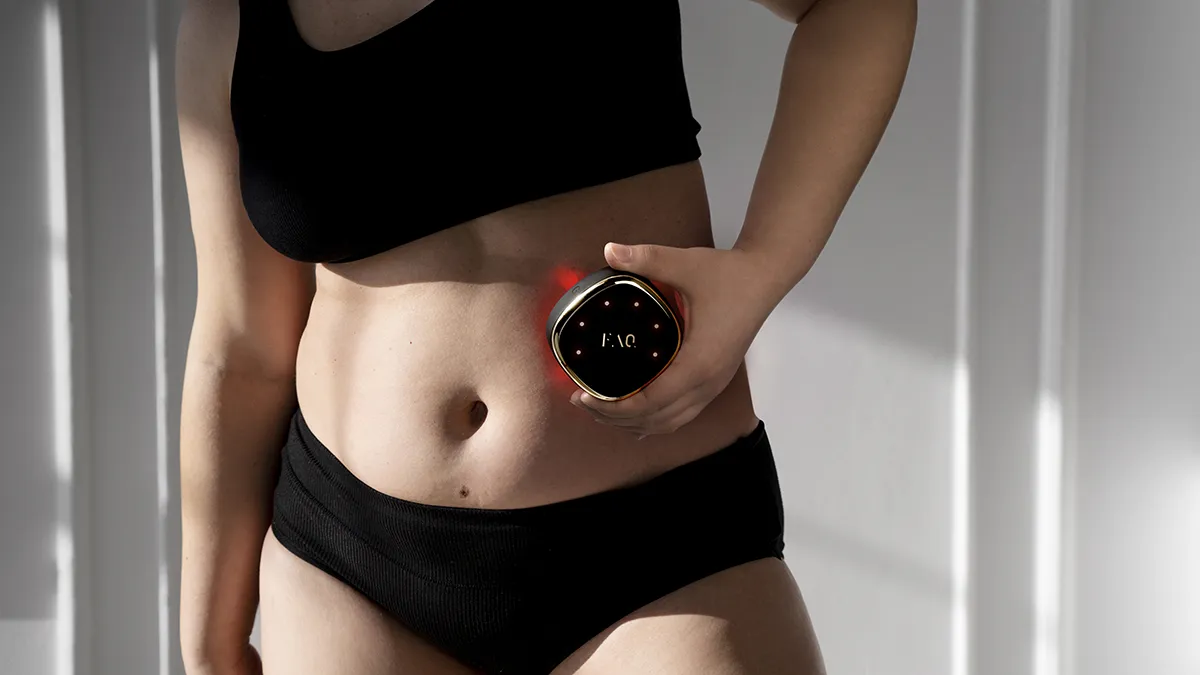
Perhaps diet and exercise don't work as well as you'd hoped, and you're not into scalpels and suction. Then there are other non-invasive skin rejuvenation methods to try. New technological investments have allowed us to use the power of clinical treatments in the comfort of our homes, in a bunny slipper galore, and microcurrent body toning and red LED therapy are at the top of the list. These at-home body-toning devices are compact, easy to use, often have very intuitive interfaces, and allow for highly customized treatment. If you're looking for a comprehensive body contouring device, you'd be better off choosing one with multiple technologies fused into a single, precisely calibrated treatment, such as the FAQ™ 411 Microcurrent Red LED Body Toning Device.
If you're quite far along and showing advanced signs of aging, such as significant sagging and loss of elasticity, pronounced cellulite, and muscle loss (sarcopenia), you might be a better candidate for surgical tightening and body sculpting. Microcurrent and red light may help a bit, but they'll never return you to that summer body from 20 years ago. These at-home treatments are great preventive care for people just noticing the initial signs of skin aging on the body or the medium tier, where you're seeing laxity, cellulite, loss of collagen, and sag that was not there before. If you can pinch (but not stretch much) the skin on your thighs or belly, which was once firm, that’s what we’re talking about.
It is very natural to see the face deteriorate first, because facial skin is much thinner than body skin. The thinnest skin is on your eyelids and your fun areas, and the thickest on the soles of your feet and palms, while the rest of the body has a solid thickness that will give you more time before you see time claiming it. But it is inevitable.
FAQ™ 411 is built with the same technology as FAQ™ 402, but it is customized to a larger surface of the body and designed to hit larger muscles than the 69 small muscles of the face and neck. The 411 has bigger spheres and is stronger than the facial devices. A micrcurrent toning facial device would not do much for a robust quadriceps or triceps that gives us that bat sag when it laxes. In addition to 6 microcurrent intensities, FAQ™ 411 also featured red light therapy to incentivise intense collagen production and to rev up mitochondria, responsible for cellular energy (ATP) production.
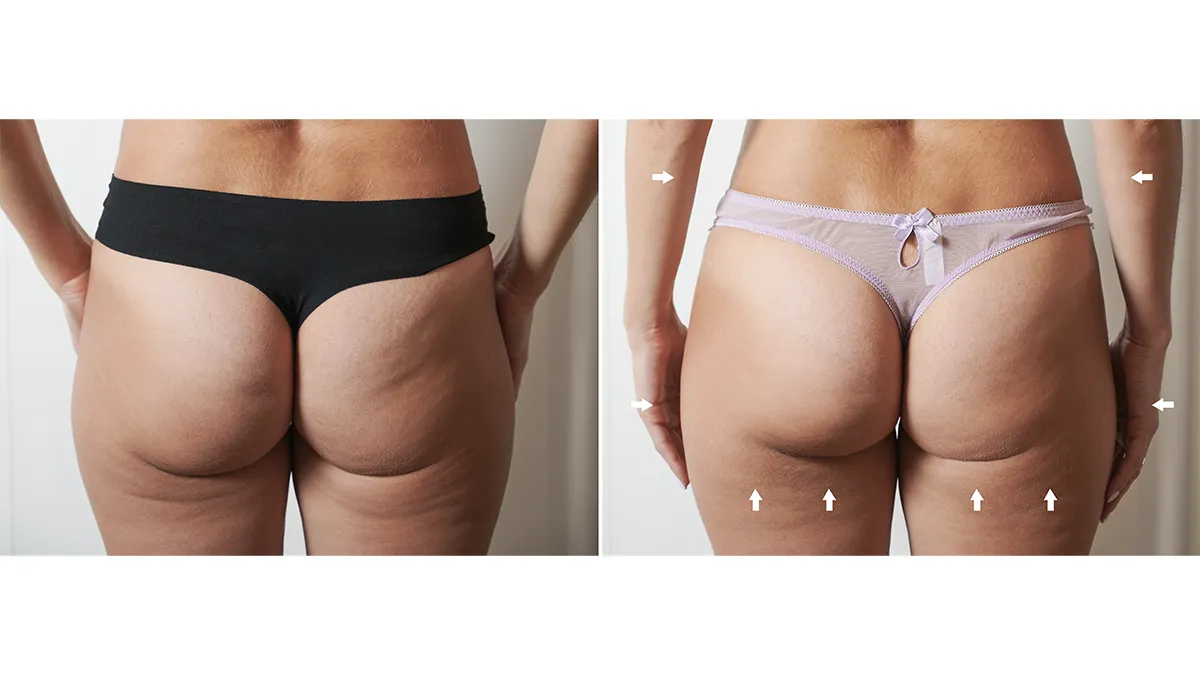
411 delivers a combo of microcurrent toning, red light, and T-Sonic™ massage's lymphatic drainage and circulation boost. But remember, that every time any type of electricity, such as microcurrent in our case, is involved, you cannot use it dry. There must always be a conductive medium between the device and skin to facilitate the transfer of stimulating electricity into the skin and muscle, rather than subjecting you to improvised mini-electrocutions. You can, of course, go for a basic gel that'll give you some glide and electrocution protection, but not much else. Or you can choose something to complement and intensify the treatment.
FAQ™ Body Sculpt Serum
The FAQ™ Body Sculpt Serum is the pre, during, and post, full skincare, boasting a formula created to work with microcurrent on a cellular level, intensifying the effects that will lead to visible body sculpting, and playing off each other's benefits. This body serum is not your ordinary conductive gel. It is infused with a 4-Peptide Complex to firm (peptides are building blocks of life, literally), Sea Kelp Extract to support elasticity (once elasticity goes, you're in the *deity of your choice* take the wheel realm) & 8 different types of Hyaluronic Acid to deeply nourish and repair.
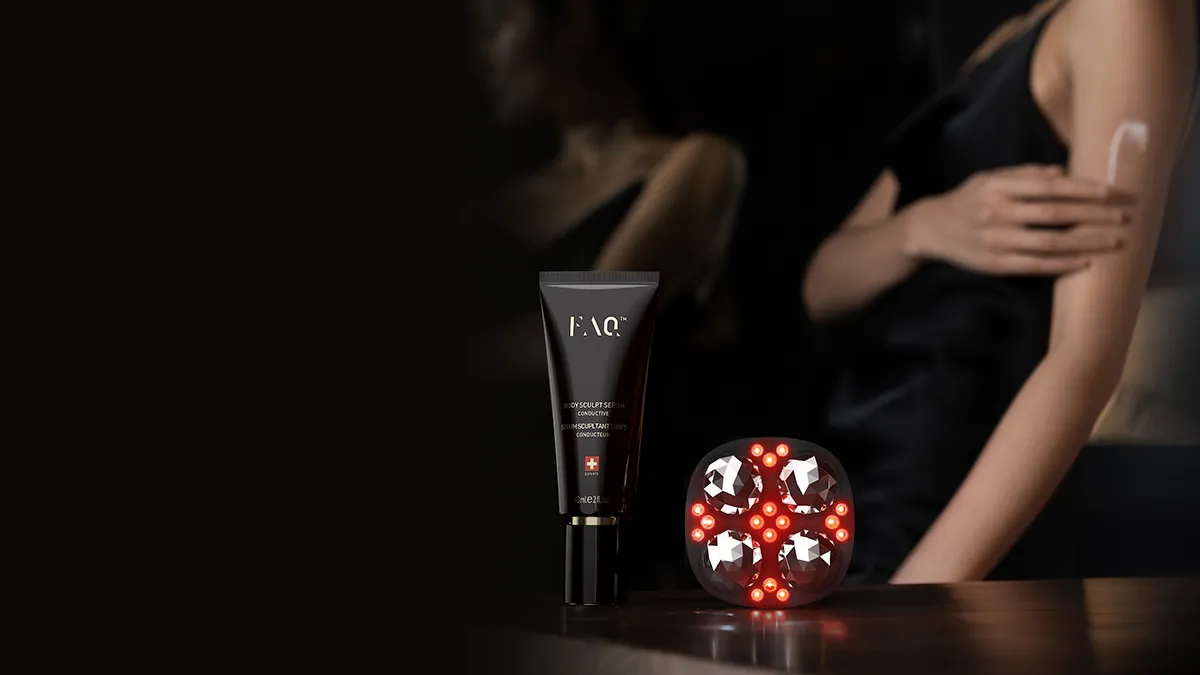
Dermatologist-tested clean formula is suitable for all skin types and is vegan & cruelty-free, with an impressive 93% natural origin ingredients, and leaving out a huge number of blacklisted or suspicious ingredients.
FAQ™ Body Sculpt Serum Key ingredients
4-PEPTIDE COMPLEX
Have you ever noticed how your skin is starting to go dry, although you haven't changed a thing in your routine? Aging is, in a way, drying out, and where moisture leaves, lines and wrinkles make a permanent residence. Peptides are chains of 2-50 aminoacids that form proteins. You're built from protein. The firming 4-Peptide Complex in the FAQ™ Body Sculpt Serum stimulates collagen production and boosts that critical moisture retention. Ample moisture also improves skin elasticity and texture, leaving the skin looking smoother and more toned. But, maybe the most important thing, it'll kick the regeneration processes into gear in collaboration with microcurrent and red light. What's happening here is a deep clean and remodeling at the cellular, tissue, and building-block levels.
SEA KELP EXTRACT
What cannot sea produce do? The sea is far wiser when it comes to organic compounds than one would expect from salty water. Sea Kelp Extract is one of the most desirable ingredients in skincare. In addition to being conductive, one would presume that, due to the electrolytes from the salt, it is also packed with essential vitamins and minerals that hydrate and nourish skin. But the key function is strengthening the skin barrier, which improves elasticity and results in a smooth, soft texture. You'll see and feel that your skin is getting healthier.
8 DIFFERENT TYPES OF HYALURONIC ACID
Nourishing and hydrating Hyaluronic Acid Complex with 8 different types of HA attracts moisture to the skin, providing intense hydration and helping to maintain a smooth, plump appearance. These 8 types are all still from the HA family but differ in molecular weight and size, allowing penetration into various skin layers. Farmacology and chemistry have made it possible to tailor and shape a molecule so it can go where it needs to go, rather than just sitting on the surface and getting washed off. In addition to being conductive, the HA complex also boosts skin's resilience and delivers a refreshed, nourished feel to the body.
In the end, it's your body, your rules
After all the science, body sculpting talk, and blubber banter, one truth remains beautifully simple: this is your body, and you're responsible for it. Do as you please and treat it with respect. Your body is real, the folds, the lines, the dimples, and the pimples. It is not a problem to be solved, but a living, breathing archive of your life. The habits, hormones, history, resilience, breakdowns, it's all written in there.
Loving your skin is ok, it is not dirty or a sign you're delulu because you don’t hate yourself in planned intervals or fragment and dissect your limbs with scalpel-like scrutiny. It means you value yourself, all you are, know, feel, and have been through far more than trying to please some outside gaze. Loving your skin doesn’t mean you stop trying to improve things, just that you're not consumed by "looking" as you're busy "being". Wanting to feel firmer, smoother, or more confident doesn’t mean we are betraying body positivity philosophies, but that we're minding our own business and not peaking into someone else's closets to check on their size tags and do not feel kindly towards getting our closet peeked into (women have some stuff there, stay away).
We honestly don't care and just want to be healthy and happy. Speaking from personal experience, I'd like these two to be enough, but I'm also vain, and I like to be attractive to my husband, and respectfully objectified by strangers (do with this information as you will).
There is no single “right” path to feeling good in your skin. Some people accept what they cannot change, others choose surgery, some rely on movement and lifestyle changes to bend reality to their will, and some prefer gentle, non-invasive rituals that support the body rather than fight it. If you’re not interested in scalpels and suction, options like microcurrent and red light treatments paired with the FAQ™ Body Sculpt Serum offer a sustainable approach with cumulative results over time. Instead of forcing dramatic change, they work with your skin’s natural processes, supporting tone, hydration, and elasticity in a way that feels like care rather than harsh correction.
The serum, rich in peptides, sea kelp extract, and multi-weight hyaluronic acid, is a softer philosophy. It’s not about chasing perfection or erasing what makes us human; it’s about supporting our body, reshaping and fine-tuning, so we can look and feel our best, and this may look very different for you and me.
So whether you embrace every curve exactly as it is (refusing to be shamed for a real body), choose gradual at-home body contouring, or explore more advanced procedures, remember to toss that self-criticism in the trash and talk to yourself as if you were someone you loved and wanted the best for. The most compelling transformation is not a smaller waist or tighter thighs, but a quiet confidence that comes from finally being on our own side. We hope you found some useful information here today. Stay curious and cool and enjoy living in your skin.





Comments
8 comments
Leave a comment