19 min read
Scalp Massager or Red Ligh Hair Brush? Is Either Worth It?

This one is for all of you who've ever helplessly stared at a hairbrush and a drain laden with dead hair strands. For all who've been taken aback by how much your hair part has widened, or caught a glimpse of your scalp through what used to be a lush head of hair.
At first you didn't notice a thing, and then suddenly you pass the tipping point of critical mass and get thrown into helpless horror and that feeling of deep, soul-crushing treachery by the weak follicles. No matter how hard you try to push it down, a question bubbles up and stares you down - "Am I going bald?" Once you hear it, there's no going back to the old self. The fear now permanently lives here.
First of all, let's get one thing straight. Bald really IS beautiful. A powerful look channeling your badassery and disregard for fitting in at any cost. And I say this as a wife of a balding man (who is struggling to accept the ever-receding hairline), and I can't wait for him to go full Picard. I've seen him with a full head of hair and feel much more ants in my pants now that he's losing it. Maybe it's the testosterone signaling; I don't know, but it’s working for the ants. And for all the ladies feeling insecure about hair thinning or hair loss, would Grace Jones be half as graceful if she weren't bald? Would G.I. Jane kick as much butt? Would Sinéad O'Connor?
But I'm not here (just) for the pep talk or to talk about the potential of red light therapy and scalp massagers to reverse the early stages of hair loss and hair thinning. We'll talk about this too, but I'm here with a personal investment in this topic, as my own hormonal roller coasters have cost me about 20% of my hair.
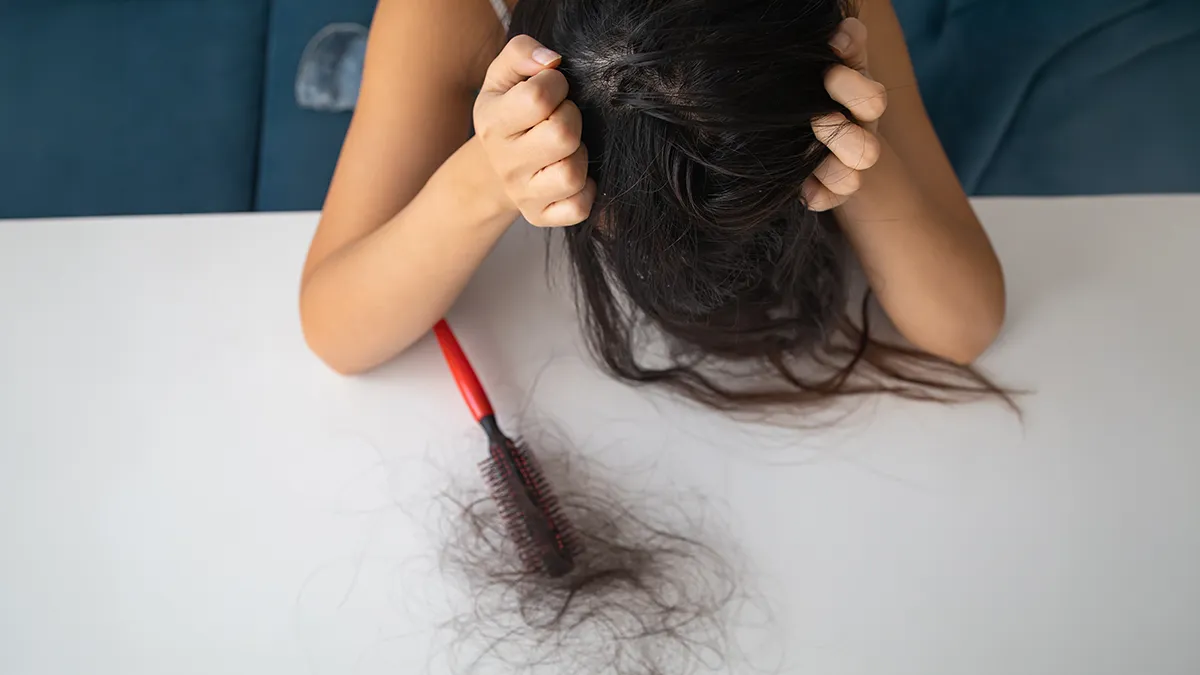
I've felt everything from shame to anger (this might have been the hormones) and helplessness, because I was vain. And I still am and see nothing derogatory in the word. A dose of vanity signals a healthy self-esteem. After some frustration and tears, I had a long, hard talk with myself in the mirror, staring at the (now translucent) hairline, and decided that if it gets any worse, I'll just shave it off and enjoy a wig era. It never came to that, BTW, because a red light therapy scalp massager and Minoxidil helped with hair regrowth and I'm pretty much back to (my) normal. I'll leave the red light therapy device I used below and tell you more about it, but you're free to find your own if you don't like my choice.
But before scalp massagers and LED light hair brushes, a dose of emotional support segment on the general prevalence and demographics of hair loss around the globe. This is the "you're so not alone in this" hair loss statistics you should know that state:
- The world is going bald, dear. Hair thinning and hair loss will affect up to 80% of men and 50% of women over their lifetimes, mostly due to androgenetic alopecia (alopecia is just a fancy name for balding), which is hereditary pattern baldness.
- Global hair thinning and hair loss affect up to 80% of men and 50% of women over their lifetimes, driven largely by androgenetic alopecia (hereditary pattern baldness).
- About 30% to 50% of men will have noticeable pattern baldness by age 50, and 80% will have it by age 80. 25% of men will start losing hair before they can legally drink.
- Female pattern hair loss hits 12% of women in their twenties, about 40% by age 50, and up to 80% by age 60.
- An autoimmune condition called alopecia areata affects roughly 2% of the global population (about 160 million people), where you get patches that go completely bald amid otherwise normal hair distribution.

But basically, you can experience hair loss for many reasons:
- genetic
- poor lifestyle and hair care
- illness or medication-related
- hormone fluctuations (as in my case)
- chronic stress or intense trauma
- nutritional deficiencies
- scalp infections
- pure mechanical damage and breakage (which is btw not hair loss)
Whatever the reason, it doesn’t make hair loss any easier to accept. So it’s no wonder effective home therapies have drawn so much attention. Red and near-infrared light therapy are interesting non-invasive at-home options, especially for people experiencing pattern hair loss. Low-level red and NIR light targets the scalp and penetrates the skin to reach hair follicles, and clinical studies suggest consistent treatment can increase hair density and thickness in people with androgenetic alopecia. The evidence is encouraging, but let’s not be naïve and call it a miracle cure (if you hear those words, feel free to switch them with snake oil; they’re synonyms) and keep in mind that red light therapy hair brushes and scalp massagers will not be equally applicable to every type of hair loss.
That distinction matters when you're deciding between an LED hair brush, a dedicated red-light device, a scalp massager, or a fusion of these. There is no one “best” choice. What is best for you depends on your priorities. Are you into supporting new hair growth, reducing breakage, improving scalp care, or something else?
How does red light therapy work?
You need to know and understand these mechanisms for using red light therapy for hair growth, so you have your facts down rather than grasping at (more or less) true claims from that desperate place inside that just needs a solution.
Red light therapy goes by many names: photobiomodulation (meaning manipulation of biological systems by photons, aka light), low-level laser therapy (LLLT), low-power laser therapy, biostimulation, photonic stimulation, cold laser therapy, soft laser therapy, non-thermal LED light, phototherapy… If you see any of these, they’re all basically light therapy.
Here are the concrete ways red light therapy interacts with cellular mechanisms, blood flow, and growth-phase shifts that result in visible change.
Cellular Stimulation
Mitochondria activation: Light is absorbed by cytochrome c oxidase inside the cell mitochondria. Mitochondria, you remember from school, are the powerhouse of the cell. Basically, all degeneration will in some way be linked to defective mitochondria (including serious diseases like cancer or metabolic disorders like type 2 diabetes), and it is so in the hair follicle too. The hair follicle is the only really alive and growing part of your hair; the strand poking out from your head is already dead.
Increased ATP: Red light therapy boosts cellular energy production (adenosine triphosphate, or ATP for friends), and it is not hard to conclude that no energy means no life, a sluggish and soon-to-be-dead follicle. All living and growing things need energy to do so, and an increase in energy means that cells don’t need to go into panic mode where they just perform the basic operations, glitching and fighting to stay alive, but have the energy to repair, restore, and thrive. In a follicle, this translates to thicker, more robust hair, or even reanimating stagnant or “dead” follicles.
Reduced oxidative stress: If you live and breathe, oxidative stress is unavoidable. In theory, you could live forever if you didn’t breathe, but in practice you’d unfortunately be dead, so it wouldn’t be much fun. The issue is free radicals, which come as a byproduct of metabolizing food and oxygen. Free radicals are rogue molecules missing electrons, and they try to steal electrons from healthy molecules in cells to balance themselves out, damaging healthy cells. Red light therapy has a sort of antioxidant (antioxidants step in and willingly donate the electron to free radicals) effect, lowering cellular inflammation and harmful byproducts that cause hair thinning.
Blood Flow and Growth Cycle
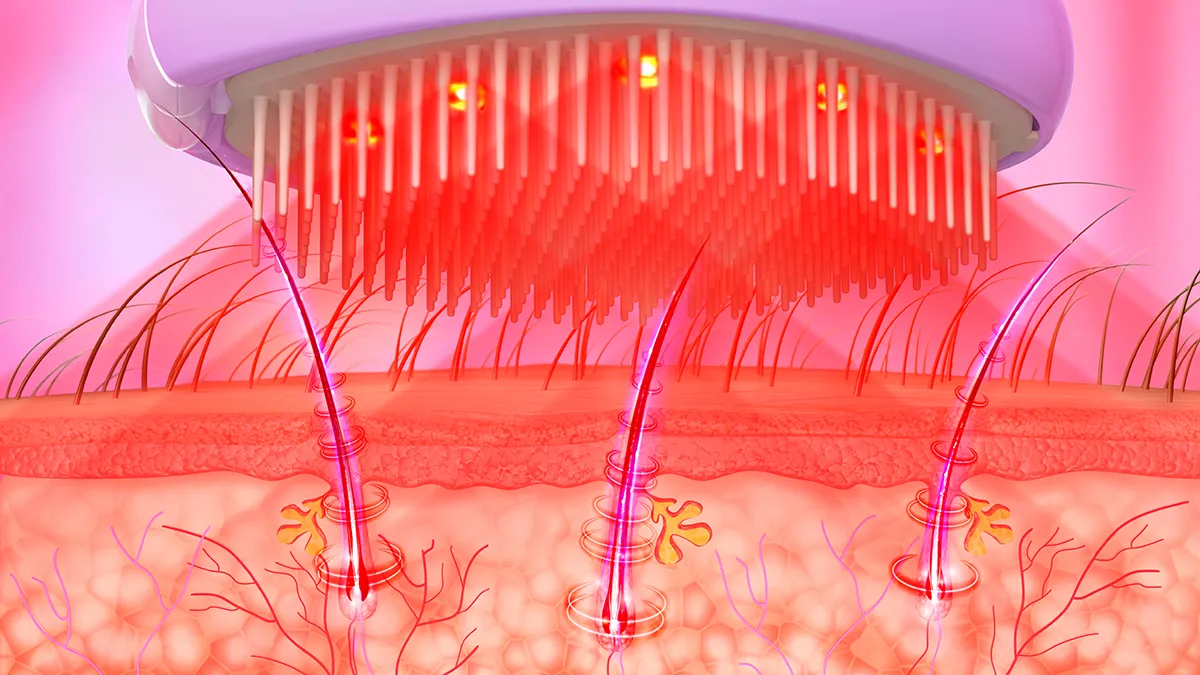
Vasodilation: This is just another name for dilating or widening of the blood vessels. Wider blood vessels mean more oxygen- and nutrient-rich blood reaches the cells around them, and more food and oxygen means more energy and building blocks for sturdy, robust cell growth.
Prolonged Anagen phase: There are 4 stages in the life cycle of each hair follicle, and at any given time follicles are all in different phases. This is why your hair doesn't all shed at once, only to grow back all at once. The anagen phase is the growth phase, and 85-90% of your hair is in this stage that lasts from 2-7 years. In the catagen phase (transition) the follicle detaches from the blood supply and lasts from 10 days to three weeks. A telogen phase (resting) is when a new baby hair forms in the follicle below the old hair that hasn't yet fallen out. The exogen phase (shedding) is when the baby hair becomes strong enough to push out the old dead hair, and takes its place. It's normal to shed from 50-100 hairs a day. Red light therapy helps with hair thinning and loss by keeping hair follicles in the active growth phase longer and delaying shedding.
Re-enters growth: It also stimulates resting (telogen) follicles to re-enter the growth (anagen) cycle faster than they would usually, making hair denser over time as fewer follicles are stuck in the resting mode.
Red light therapy, also called low-level light therapy (LLLT) or photobiomodulation, exposes tissue to low-intensity red or near-infrared light. The theory is that specific wavelengths interact with cellular processes involved in energy production and tissue function, potentially supporting hair follicle activity.
Although clinical literature has most commonly investigated wavelengths around the 630–660 nm range for hair growth, devices like a commercial red light scalp massager or a hair brush vary in wavelength, power, treatment time, and delivery method. Not every red LED brush will reproduce the results of a clinical study just because it emits red light.
The evidence is strongest for androgenetic alopecia, commonly called male- or female-pattern hair loss. A 2024 systematic review and meta-analysis covering 38 studies and 3,098 people found a significant improvement in hair density with LLLT in androgenetic alopecia compared with placebo. Also, let’s not generalize. We know there are multiple possible causes of hair loss, and the authors noted a need for more evidence for other forms of alopecia.
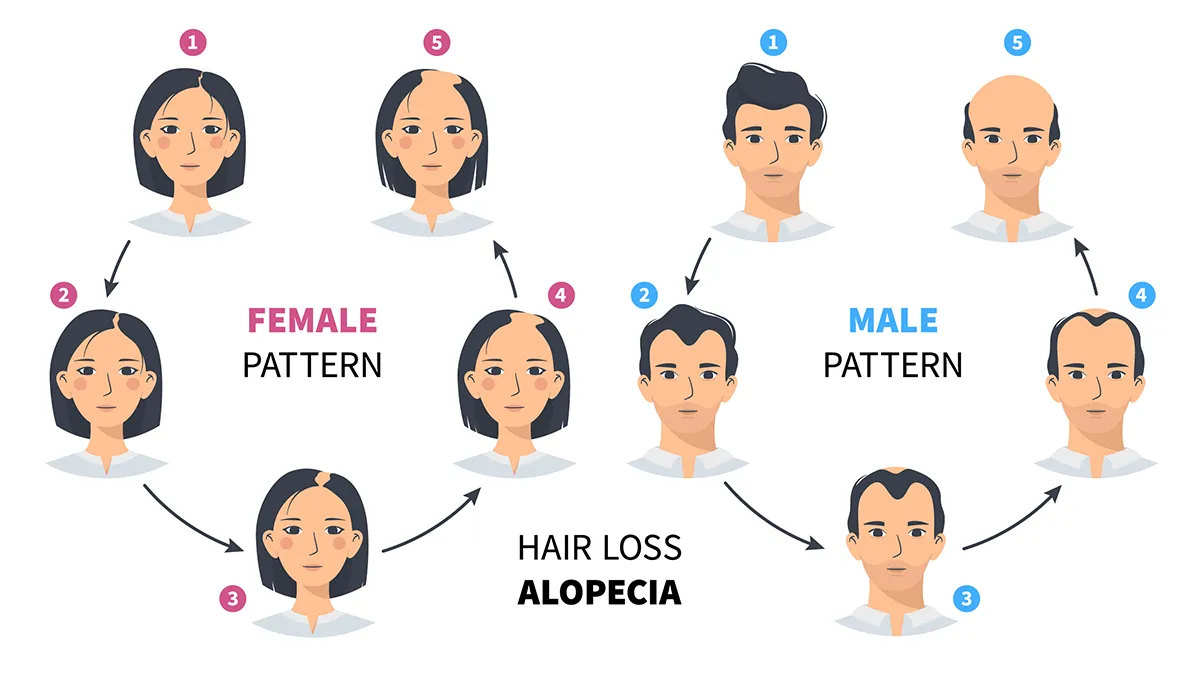
That is a useful reality check: as far as we know now, red-light therapy is effective for certain types of thinning, but we still cannot claim it is a universal treatment for hair loss.
A randomized, double-blind, sham-controlled trial published in 2013 took 40 people with androgenetic alopecia and followed them for 24 weeks. They were given a helmet for home use that emitted 630, 650, and 660 nm light. The helmet was used for 18 minutes daily. At the end of the treatment, the treatment group had significantly greater hair density and hair diameter than the sham group.
Another randomized, double-blind trial published in 2020 included 60 people with androgenetic alopecia and tested a 655-nm helmet. After 16 weeks, the treatment group showed an increase of approximately 42 hairs/cm² compared with less than 1 hair/cm² in the sham group, alongside an increase in hair thickness.
Dermatologists consider LLLT a legitimate option for people with pattern hair loss. They also show why consistency matters (in all good things worth achieving): the meaningful outcomes in all the studies were measured after weeks or, more frequently, months of consistent use, not after a handful of treatments. There is no instant gratification if you’re going the natural, non-invasive route.
LED vs. laser: are they the same?
Is LED light therapy the same thing as laser therapy? Nope.
Both LED and laser devices can deliver low-level therapeutic light doses, but they deliver it differently. Lasers produce a more concentrated, coherent beam. A coherent beam means that the peaks and valleys of the photon wavelengths are aligned (in phase), while LEDs generally provide more diffuse illumination as their peaks and valleys are scattered.
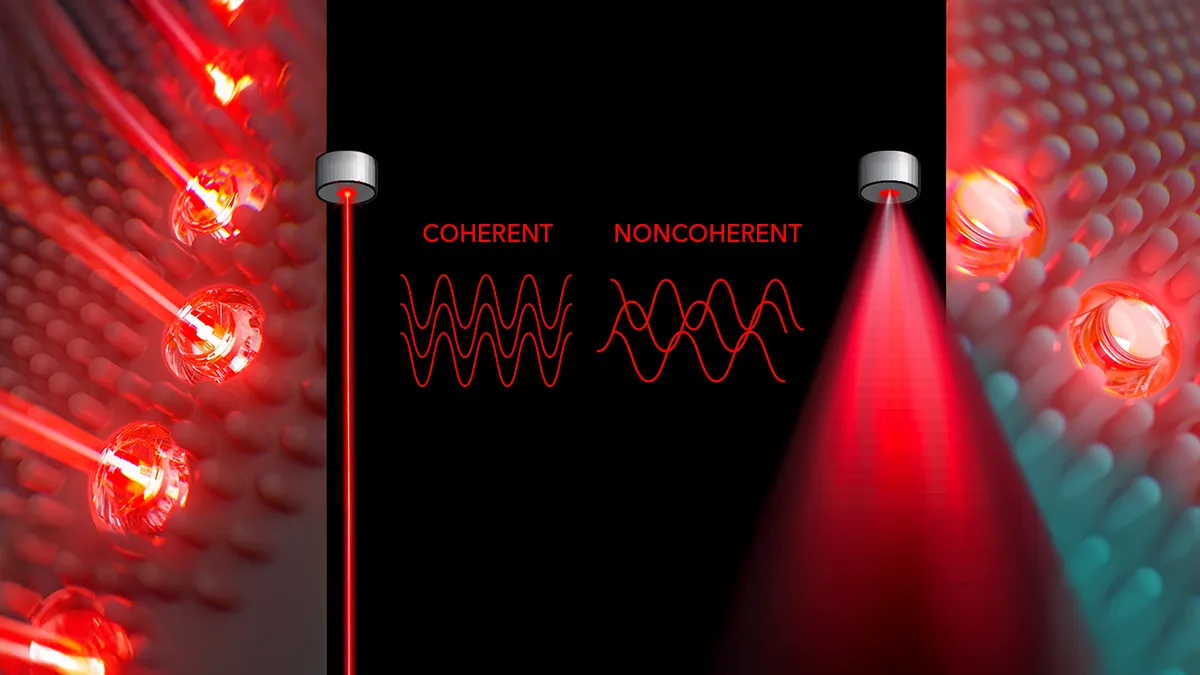
We’re interested in the dose delivered to the scalp, so it’s worth looking beyond a device's headline wavelength or the words “laser” or “LED.” Wavelength, irradiance, treatment area, treatment time, and consistency all influence the exposure follicles receive and, in turn, your results.
The American Academy of Dermatology notes that FDA-cleared at-home devices for hair regrowth may stimulate follicles and produce some hair growth or reduce hair loss, but don’t expect to go from Willis to Mamoa (ADD, does not say this, but that’s the gist of it).
Scalp massage
Since a scalp massager is one of the products we’re talking about today, time to give scalp massaging some attention. It has a much simpler appeal. There is no complicated technology here, only some mechanical tissue manipulation that achieves one of the cornerstones of red light therapy, which is increasing blood flow to the follicles themselves.
Some research also supports the effects of regular scalp massages on hair, but the sample sizes are usually smaller than we’d like. In a 2016 study, nine healthy Japanese men used a scalp-massage device for four minutes a day for 24 weeks. Hair thickness increased from approximately 0.085 mm to 0.092 mm in the treated area. Hair count and hair-growth rate stayed the same, but there were changes in gene expression in cultured dermal papilla cells subjected to mechanical stretching, including changes in genes associated with the hair cycle. It seems that mechanical stimulation helps the dermal papilla, which plays a central role in hair-follicle growth. It is interesting evidence for a possible effect on hair thickness, but not proof that scalp massage can reverse pattern baldness. Desires are not data. Data is data.
So think of scalp massage as a potentially useful supportive scalp-care habit, rather than a replacement for evidence-based treatments for diagnosed hair loss.
What to look for in an LED hair brush?
A good LED hair brush should make it easy to deliver consistent treatment while also being gentle enough for regular daily brushing. Ideally, a combination of a gentle detangler with light therapy.
1. The wavelength
Aim for the 630–660 nm range that’s shown to be most effective in hair growth studies.
2. Light delivery
An LED light brush has a practical advantage over a large panel. Its bristles help separate the hair and bring the light closer to the scalp, where you want it. While using it, focus on the scalp rather than the length of your hair.
3. Treatment time
I am sort of lazy. I bet you are too. Well, not lazy, but set in my ways and cannot be bothered to change into a completely new Pokémon. I used to believe my own BS that I would turn my life around with all those 10-step routines. It never worked out.
The easier a treatment is to fit into our lives and routines, the more likely we are to stick with it. A hairbrush is something you’d use pretty much daily, so it is an adjustment rather than a huge inconvenience that will take over your life.
4. Brush design
If you already have thinning or fragile hair, the brush matters. Look for flexible bristles that reduce tugging and mechanical breakage. Less breakage can make hair look noticeably fuller, even when the number of follicles hasn't changed.
5. Scalp massage
If your LED hair brush has a massage function, you get some extra wins. In addition to relaxation, you’ll help distribute a scalp product if you choose to use one, be it topical medications like minoxidil, or oils and hair serums focused on nourishing weak hair follicles, and you add extra mechanical stimulation that’s been shown to increase the thickness of existing hairs.
Red light hair brush and scalp massager suggestions
FOREO FLIP™ LED Hairbrush
Ideal for: fragile hair, prone to tangling or breaking
FOREO FLIP™ LED Detangling Hairbrush is an intuitive fusion of a gentle and very effective detangler and 3 LED light wavelengths (red, blue, green). You can detangle and strengthen hair in the same stroke, without needing a separate scalp-treatment session.
The super-soft, flexible bristles move through tangles with less pulling, which makes the product especially appealing for people whose “hair thinning” concern is actually downstream of breakage caused by trying to detangle thin, damaged, or dry hair.
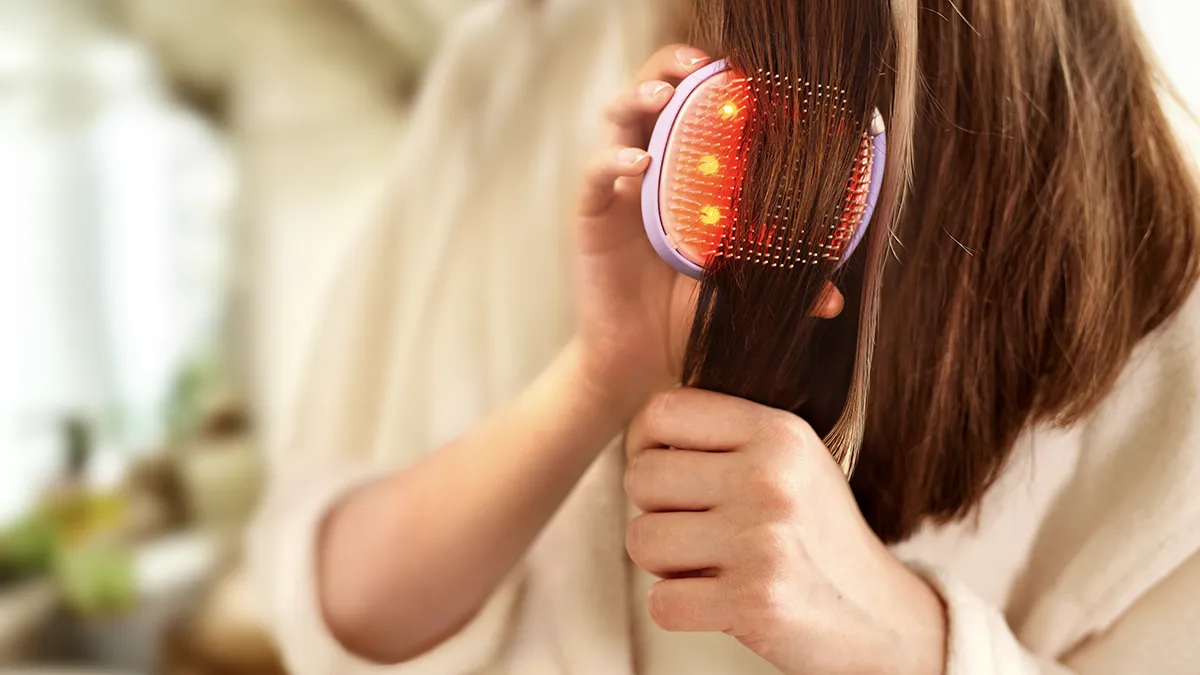
What makes it special?
- RED light: Helps revitalize follicles to boost thicker, healthier-looking hair.
- BLUE light: Deals with oiliness to support a balanced scalp, so you need to shampoo less frequently and inflict less damage.
- GREEN light: Great to calm minor inflammation or irritation on the scalp.
- Smart Swedish design: Up to 6 hours of use per USB charge. 100% waterproof, and can be used on both wet and dry hair. I know you’ve been told not to brush wet hair, but with these bristles it doesn’t matter.
Consider FLIP an everyday hair-care tool with LED support, rather than as a substitute for a medically oriented hair-loss treatment, because you will need something stronger than an LED hairbrush if you’ve passed the breakage and damaged hair into noticeable thinning and hair loss. Basically, an LED hairbrush is better for prevention and less serious concerns like breakage, while more specialized scalp devices and topicals deliver better results at the follicle level.
FAQ™ 301 LED Hair Strengthening Scalp Massager
Ideal for: weak, limp, damaged hair and a depleted scalp
If you've noticed that your hair is no longer as lush and thick as it once was. The 301 LED scalp massager combines red light therapy with a pleasant deep massage, shaped like a soft yet firm bristled hairbrush, with 637 silicone touchpoints that fit comfortably in your palm.
It uses clinical-power red LED light at a 650nm wavelength through 20 bulbs and combines it with a patented T-Sonic™ massage to revitalize barely holding-on hair follicles and restore compromised cellular energy in the follicles. In life, longevity, fertility, and awesome hairdos, it always somehow comes down to mitochondria.
As we’ve explained above, red LED therapy "rejuvenates" the mitochondria, boosting energy output and making the hair shaft robust again so it can grow thicker strands. The increased circulation from the T-Sonic™ massage (replacing insane amounts of manual massage) loosens scalp buildup, improves microcirculation, and forms the perfect growth and strengthening environment.
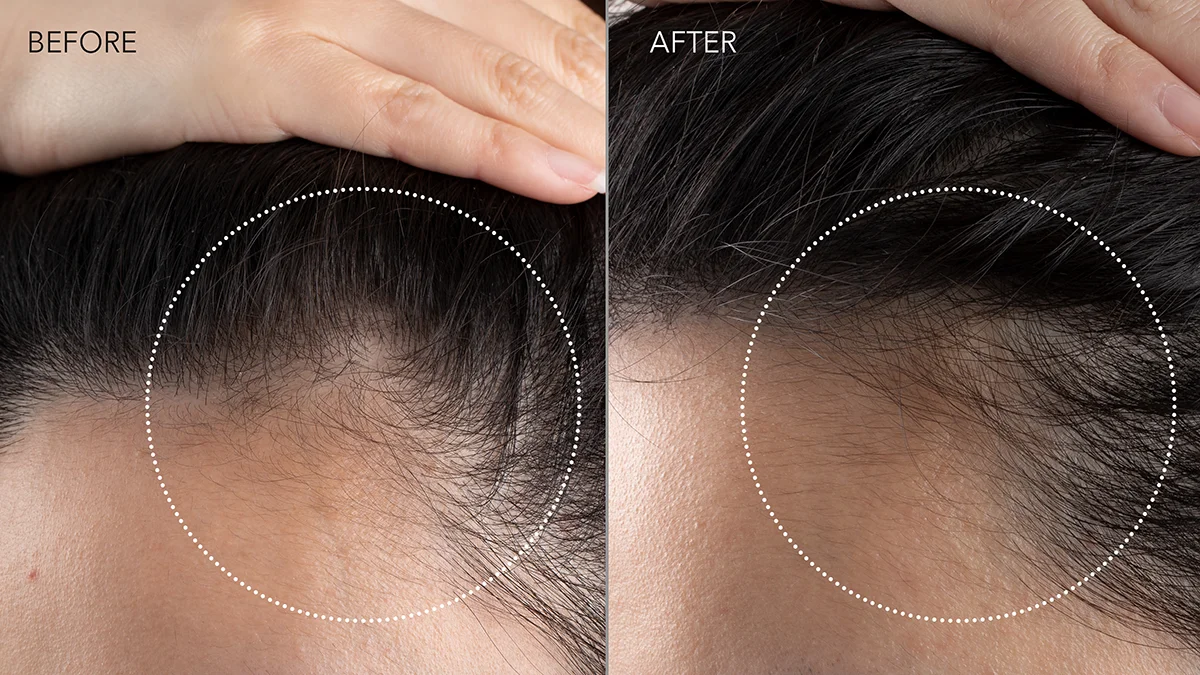
FAQ™ 301 is super easy to use with a single-button interface, plus 637 silicone bristles to remove loosened buildup and separate hair so light can reach the scalp. Clinical studies show it reduces hair loss by up to 41%, increases hair growth & density by up to 36%, and improves hair glossiness by 40% in just 1 month. That's worth mentioning.
FAQ™ 302 Laser & LED Hair Regrowth Scalp Massager
Ideal for: hairline, temples & crown thinning that we see in male and female pattern hair loss.
The FAQ™ 302 scalp massager is a targeted, stronger version of the 301 and differs in one key tech aspect: it adds a third technology. In addition to the red light therapy and T-Sonic™ massage, it also features 20 medical-grade lasers at 655 nm, pearled along the rim of the device.
Low-level laser therapy (LLLT), which we’ve learned provides a more concentrated coherent light source (a wavelength in phase), is proven to stimulate hair follicles and their natural growth cycles, triggering regrowth.
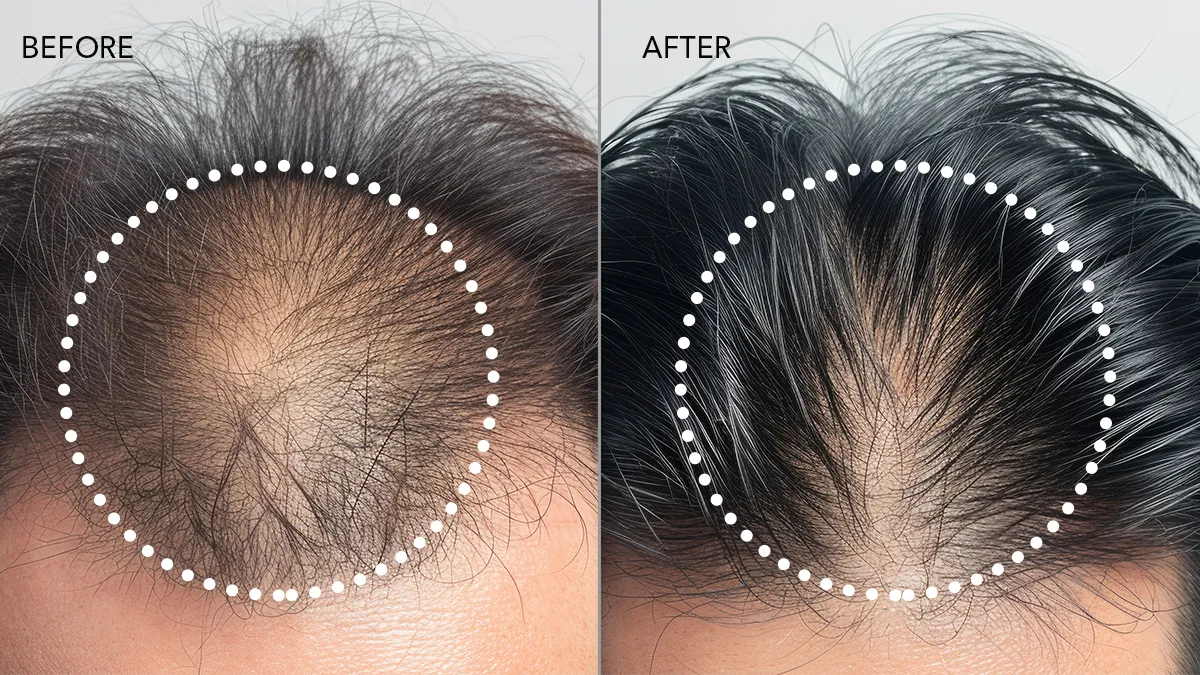
Third-party 302 clinical testing over 112 days in 34 men and women aged 21–55 reported improvements including up to 47% increases in hair growth/density and up to 109 additional hairs per square inch after four months. You'll need to wait a while before you see serious results, so don’t get discouraged.
Important thing to note: If your hair fall or thinning was sudden and visible, skip the red LED devices and other aesthetic treatments and see your doctor first. American Academy of Dermatology says there may be an underlying health issue that needs to be addressed first.
This was my issue. I’ve been in some serious “pain makes us stronger” life period, stressed, eating poorly, chugging by on survival mode and caffeine. This threw off my hormones, disturbed my cycle, pushed me into forming extra androgens, and started decimating my hair. My gynecologist said that there is no point in trying to fix my hair (which I was really upset about) without fixing my hormones first, because I’ll just be throwing money away. And he was right. Once my labs were under control, I couldn’t wait to start reversing the damage.
I used the FAQ™ 302 because I felt like I needed the extra kick of the laser to target my hairline. Due to increased testosterone, I started getting sort of that M-shape on my hairline with receding points ever further down. The 301 and 302 have an accompanying topical which I’ve heard great things about – the FAQ™ Scalp Recovery & Thick Hair Probiotic Serum - but I didn’t try it because I was on Minoxidil at the time. I’ve continued to use my 302 for prevention, and I think I’ll grab the serum as well.
FAQ Lightning Round
How long does red light therapy take to work?
Clinical trials measuring hair density and thickness generally assess results after roughly 16–24 weeks, while the AAD notes that repeated treatment is necessary and not everyone responds.
A useful expectation is to look for gradual changes in shedding, thickness and coverage rather than dramatic overnight regrowth. Take photos (always in the same condition), don’t guestimate.
Can you use red light therapy with other hair products?
Yes, some devices are designed to be used with scalp serums like the FAQ™ Scalp Recovery & Thick Hair Probiotic Serum for the FAQ™ 300 line. But don't assume that every medication or active ingredient is compatible with LED or laser treatment (Minoxidil was ok to use with LED).

If you're using prescription hair-loss medication, a photosensitizing medication, or treatment for an active scalp condition, check with your doctor or pharmacist before combining therapies.
Is red light therapy safe for all hair types?
The light itself does not care whether your hair is straight, curly, coily, thick or fine - but the device design does matter.
Flexible, low-tug bristles can help fragile or textured hair, while dense hair may require sectioning into smaller areas to let light reach the scalp.
Can red light therapy reverse grey hair?
Unfortunately, there is currently no good clinical evidence that red-light therapy can reverse naturally grey hair.
Greying occurs primarily because pigment-producing melanocytes in the hair follicle become less active or are depleted with age and other biological factors. Red-light therapy has been studied much more extensively for follicle activity and hair density than for restoring pigment, so don’t buy these claims.
How often should I use red light therapy for hair growth?
Follow the schedule suggested by your device instructions. Output and treatment parameters can vary widely across LED hair brushes and scalp massagers, so there's no single answer. Clinical trials have used schedules ranging from several times weekly to daily treatment.
Can red light therapy replace Minoxidil?
It should not automatically be considered a replacement. Red-light therapy has evidence as an additional option for androgenetic alopecia, and dermatologists may use it alongside established treatments like Minoxidil depending on the individual's diagnosis and treatment plan.
Is an LED hair brush enough to treat hair loss?
Not really. An LED hair brush can help with tangles and breakage in weak hair, but the strongest clinical evidence for hair regrowth comes from dedicated LLLT devices tested in people with androgenetic alopecia, so a brush shouldn't be considered equivalent to those devices. Still, it can significantly reduce breakage, making your hair look fuller without the strands broken off at various lengths.
Should I massage my scalp before or after LED therapy?
No strong clinical evidence establishes an optimal order. Ideally, you get a device that does both at the same time so you can finish and go on with your day.
When should I see a dermatologist about hair thinning?
If hair loss is sudden, patchy, rapidly progressing, accompanied by scalp inflammation, or simply unexplained, get diagnosed before buying a device.
The bottom line
Red-light therapy for hair loss is not just beauty-tech hype, but relies on clinical evidence that low-level light therapy can increase hair density and thickness in people with androgenetic alopecia. A 2024 systematic review found a significant improvement in hair density across the available LLLT literature.
But it is not a solve-all. If you’re worried about genuine pattern hair loss, a purpose-built LLLT device is the most evidence-aligned, but in the case of breakage, tangling and general everyday hair health, an LED hair brush such as FOREO FLIP™ is a better and cheaper choice and will seamlessly fit into a regular hair brushing routine. I’m partial to the combination of (LED and/or laser) red light and scalp massage (I’ve spoiled myself now and can’t go back), such as in the FAQ™ 301 and FAQ™ 302 devices we met today.
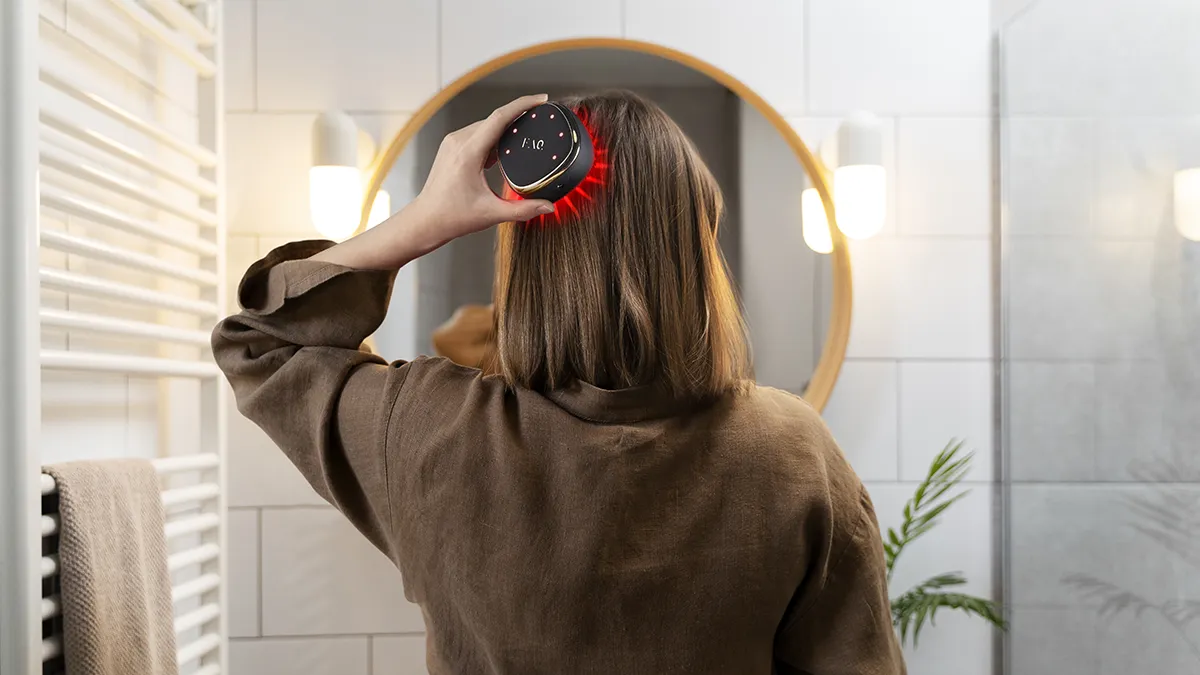
Scalp massage alone is promising but deserves more humility: the best-known human study found an increase in hair thickness after 24 weeks, not an increase in hair count or growth rate, and the sample size was too small to draw firm conclusions.
Ultimately, the most effective hair-growth routine is not necessarily the one with the most technology. It is the one that matches why your hair is thinning, has credible evidence behind it, and is easy enough to use consistently for the months that hair biology requires to rebuild and restore follicle function.
We hope you learned something new today and that we’ve made some choices easier or inspired more investigation. Stay cool and curious, and may you have a great hair day!
Pre-order LUNA™ 5 LED + 5 GIFTS
28 Sept - 12 Oct
What is LUNA™ 5 LED? Now in its 5th generation, the fresh LUNA™ 5 LED fuses new technology into itself - red, NIR, deep NIR, and blue LED light therapy - turning your daily cleanse into a treat(ment).
Facial cleansing brushes are hardly breaking news in the beauty world, but a facial brush 35x more hygienic than nylon, with up to 8000 massage pulsations per minute and LED light therapy (first time with NIR and deep NIR wavelengths), is a revolution. This is no longer just a facial cleansing brush. Because why would it be? Why "waste" cleansing time on cleansing alone when you can pack a little punch with NIR and red-light rejuvenation or anti-blemish blue-light therapy? Don't get me wrong, cleansing is non-negotiable. If you're not willing to wash your face, you may as well do nothing else, because it won't work on clogged, grimy skin, carrying the leftovers of last week's foundation in the pores. LUNA™ 5 LED makes things easier and smarter, checking a few boxes at once with a multitasking mindset.
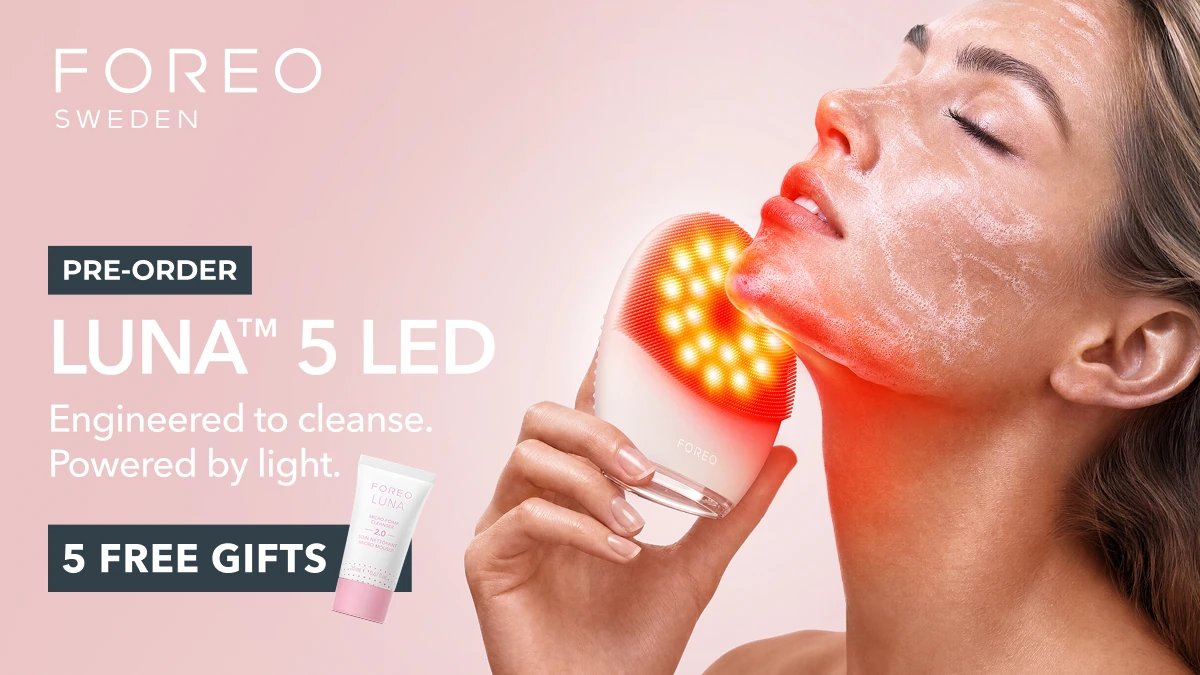
Pre-order your LUNA™ 5 LED from 28 Sept - 12 Oct to secure one from the first batch, and grab 5 fabulous gifts (5 x LUNA™ Micro-Foam Cleanser 2.0, 20mL) for free and enjoy living in your gorgeous skin.





Leave a comment